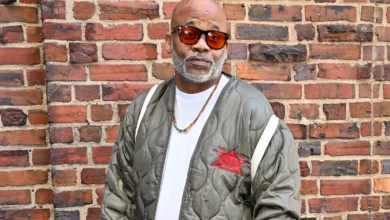
Diddy Appeals Prison Sentence Claiming Four-Year Term is Excessive

Diddy has launched a new legal effort to reduce his prison sentence, arguing that his four-year term is excessively harsh given the circumstances of his conviction. The hip-hop mogul, known for founding Bad Boy Records, was sentenced to 50 months in prison last year after being convicted of two counts of transportation to engage in prostitution, violations of the Mann Act. He was acquitted of more serious charges, including sex trafficking and racketeering. His legal team has now filed an appeal, calling the sentence a “perversion of justice” and requesting either an immediate release or a remand for resentencing. The case has attracted widespread attention, highlighting ongoing debates about sentencing practices and the use of acquitted conduct in federal trials.
In their filing, Diddy’s lawyers criticized Judge Arun Subramanian for imposing a sentence based on acquitted conduct, a practice that allows courts to consider allegations that did not result in convictions when determining punishment. They argue that this approach unfairly punishes Diddy for crimes he was not found guilty of committing. His legal team initially recommended a 14-month sentence, pointing out that the 50-month term is roughly four times longer than typical penalties for Mann Act violations. The filing emphasizes the purpose of a jury trial, questioning why a verdict should be overshadowed by claims that were ultimately rejected. This argument raises broader questions about consistency and fairness in federal sentencing.
Diddy, 56, is currently serving his sentence at FCI Fort Dix, a low-security federal prison in New Jersey, which his lawyers had identified as a preferred facility. They cited its suitability for addressing drug abuse issues and maximizing opportunities for family visitation and rehabilitation. The Federal Bureau of Prisons lists his current release date as April 25, 2028. Despite being behind bars, he has maintained a positive presence, with photos surfacing last November showing him in good spirits while interacting with fellow inmates in the prison yard. His adaptation to prison life has included following routines and participating in activities, although minor incidents have occurred.
One such incident involved Diddy being caught with homemade alcohol, known as “hooch,” made from Fanta, sugar, and apples. While not a major infraction, it highlights the challenges of navigating life in a prison environment. These experiences contribute to the ongoing narrative of his time behind bars and his legal battle to reduce the sentence. His appeal is set to be reviewed by the U.S. Court of Appeals for the Second Circuit, with oral arguments scheduled for April 9. The outcome will determine whether he will remain incarcerated under the current sentence or if the court will adjust his punishment in response to claims of unfairness.
Diddy’s appeal reflects broader concerns about sentencing practices in the federal system and the impact of acquitted conduct on punishment. His legal team emphasizes that the current term is disproportionate compared to standard penalties for Mann Act convictions. The case also underscores his status as a high-profile figure navigating both public scrutiny and the challenges of incarceration. While awaiting the appeals court’s decision, Diddy’s situation remains a focal point for discussions on justice, fairness, and the treatment of celebrities in the legal system. The resolution of this appeal will have significant implications for him and for debates surrounding federal sentencing practices.