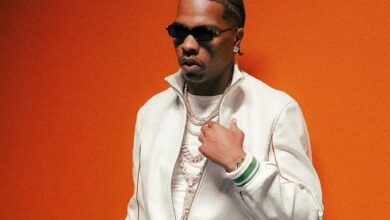
Drake’s ‘Iceman’ Sparks Debate About the Biggest Hip Hop Album Rollouts of All Time
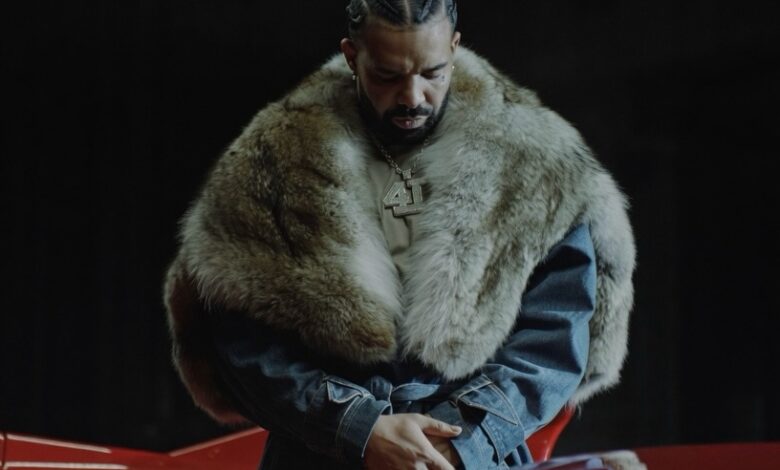
The release of Iceman alongside surprise projects like Habibti and Maid of Honour has reignited conversations about the biggest and most successful album rollouts in hip hop history. Over the years, rap artists have transformed album promotion into a cultural event that goes far beyond music alone. From massive first week sales to unforgettable marketing campaigns, some rappers have managed to create moments that completely shifted the music industry. Fans now closely follow teasers, social media clues, surprise drops and promotional stunts as part of the overall album experience. Drake’s latest campaign has once again highlighted how important creative marketing and anticipation have become in modern hip hop.
Drake has long been viewed as one of the greatest artists when it comes to album promotion and audience engagement. For his latest rollout connected to Iceman, the rapper captured attention by placing a giant ice sculpture in the center of Toronto, instantly creating viral discussion online. The visual stunt quickly spread across social media platforms and helped fuel speculation about the project before fans even heard the music itself. Drake has consistently shown an understanding of how internet culture, streaming platforms and public curiosity can work together to amplify an album release. His ability to dominate conversations before and after releasing music has helped him remain one of the most commercially successful artists of the streaming era.
Album rollouts in hip hop have changed dramatically over the decades. Before streaming services became dominant, artists relied heavily on physical album sales, radio play, music television appearances and magazine coverage to build momentum. Today, streaming numbers, viral trends and social media engagement have become central to measuring an album’s impact. However, many fans still view the record-breaking sales achievements from the pre-streaming era as especially impressive because listeners had to physically purchase albums from stores. Those earlier releases often depended entirely on fan anticipation, word of mouth and traditional promotion rather than instant online accessibility.
One of the most legendary album rollouts in rap history belongs to Eminem and his groundbreaking album The Marshall Mathers LP. Released on May 23, 2000, the album shattered industry records by selling more than 1.76 million copies during its first week in the United States. At the time, no solo rap artist had ever achieved numbers close to that level. The album’s success helped push hip hop further into mainstream global popularity and established Eminem as one of the defining artists of his generation. Songs from the project became cultural talking points and demonstrated how controversial storytelling and strong lyrical identity could drive massive commercial success.
Eminem followed that historic success with another huge release, The Eminem Show, which arrived in 2002. The project quickly became the best-selling album worldwide that year and reinforced his dominance in the music industry. The album reportedly sold over 1.3 million copies during its opening week and achieved the rare accomplishment of debuting at number one despite having only one day of sales counted initially. This release further proved that Eminem was not simply benefiting from hype alone. Instead, he had built an audience deeply invested in his music, personality and storytelling ability. His album rollouts became events that audiences around the world eagerly anticipated.
Another artist who dominated album sales during the early 2000s was 50 Cent with his album The Massacre. Released in March 2005, the project arrived during the peak of 50 Cent’s popularity following the explosive success of his debut era. Supported by major singles like Candy Shop and Just a Lil Bit, the album became one of the year’s biggest commercial successes. Despite illegal bootleg copies circulating before the official release date, the project still sold more than 1.15 million copies in its first week. The rollout highlighted the enormous influence 50 Cent had on hip hop culture at the time and showed how anticipation could overcome even major piracy issues.
Drake’s own place in album rollout history became even more secure with the release of Views in 2016. The project arrived during the rapid growth of streaming services and changed perceptions of what streaming success could look like for a hip hop artist. The album included the massive single One Dance, which became the first song in Spotify history to surpass one billion streams. Drake also partnered with Apple Music for an exclusive release strategy that encouraged fans to subscribe to the platform in order to hear the album immediately. Views sold more than one million copies in its opening week, proving that streaming-era albums could still produce blockbuster commercial results.
Lil Wayne also delivered one of hip hop’s most memorable album launches with Tha Carter III in 2008. Released during the rise of Young Money Entertainment, the project became a defining moment in rap music. Featuring huge tracks like Lollipop and A Milli, the album sold over one million copies during its first week. At the time, it became the first hip hop album since 50 Cent’s The Massacre to reach that milestone. The release solidified Lil Wayne’s place as one of the biggest rap stars in the world and helped shape the sound and style of modern hip hop.
Another major chapter in Drake’s career came with the release of Scorpion in 2018. The album arrived after a period where Drake dominated charts with songs like God’s Plan and Nice for What. It also came during his highly publicized feud with Pusha T, which kept public attention firmly focused on him. Rather than leaning entirely into the conflict, Drake shifted attention toward viral hits and internet-friendly moments, especially with the success of In My Feelings. The album sold more than 731,000 units in its first week and became another example of Drake’s ability to dominate both music and online culture simultaneously.
Hip hop history would also be incomplete without mentioning The Notorious B.I.G. and his legendary album Life After Death. Released only 16 days after the rapper’s tragic death in 1997, the project carried enormous emotional weight for fans and the music industry. The album featured timeless songs like Hypnotize and Mo Money Mo Problems, both of which became lasting hip hop classics. Life After Death sold approximately 685,000 copies during its opening week and cemented Biggie’s legacy as one of rap’s most influential figures. The project showed how music can continue shaping culture even after an artist’s passing.
The conversation surrounding Drake’s latest releases proves that album rollouts remain one of the most exciting aspects of hip hop culture. Whether through surprise albums, creative visuals, streaming exclusives or massive first week sales, the biggest artists understand how to turn releases into unforgettable cultural moments. From Eminem and 50 Cent to Lil Wayne, Drake and The Notorious B.I.G., each generation of rap has produced albums that redefined commercial success and fan engagement. Modern streaming platforms may have changed how success is measured, but the importance of anticipation, creativity and cultural impact remains just as strong today. As Drake continues expanding his legacy with projects like Iceman, Habibti and Maid of Honour, the debate over the greatest hip hop album rollouts in history will likely continue for years to come.