Drake’s ICEMAN Era Sparks Debate as Fans Report Alleged UMG Copyright Strikes Across Social Media
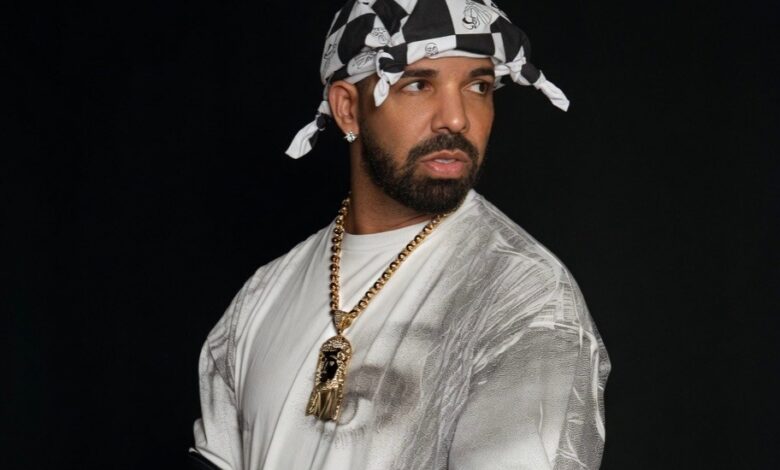
Drake’s latest rollout has placed him back at the center of global music conversation, but not only for the music itself. The release of ICEMAN has triggered intense online discussion around streaming performance, lyrical content, and fan reactions across platforms. At the same time, a new wave of controversy has emerged involving alleged copyright enforcement actions tied to Universal Music Group. Many fans claim that posts featuring songs from the project were removed or restricted, which has fueled speculation about how aggressively the rollout is being managed. The situation has quickly shifted from standard album promotion into a wider debate about control, distribution, and digital rights.
The controversy began after users on social media platforms, especially Twitter, reported receiving copyright strikes for sharing clips or audio from the new material. Screenshots circulating online suggest that some notices were linked to enforcement requests from the International Federation of the Phonographic Industry, commonly associated with global rights protection efforts. According to these claims, the affected posts were flagged for making copyrighted music available without authorization. These reports spread quickly, with fans pointing to what they believe is unusually strict enforcement during the ICEMAN rollout. The discussion has been amplified by the scale of Drake’s audience and the speed at which content related to his releases circulates online.
As the situation gained attention, interpretations of the alleged takedowns began to diverge. Some fans argue that the enforcement reflects standard industry practice for a major release under a large label such as Universal Music Group. In this view, copyright protection is routine and becomes more visible only when a project is as widely discussed as ICEMAN. Others believe the timing and scope of the strikes suggest a more targeted approach to controlling how the album is shared and discussed online. These interpretations have led to broader debates about how streaming culture intersects with intellectual property enforcement in real time.
Speculation has also grown because of Drake’s complicated relationship with his label and ongoing legal disputes. The rapper is currently involved in an appeal after his defamation lawsuit against Universal Music Group was previously dismissed. That case centered around claims tied to the distribution and promotion of Kendrick Lamar’s diss track “Not Like Us,” with Drake arguing that the label’s handling of the record caused reputational harm. While the case did not succeed in court initially, it remains part of an ongoing legal conversation. Because of this backdrop, some fans are linking the alleged copyright strikes to broader tensions between the artist and his label.
Online theories have expanded beyond standard industry explanations, with some users suggesting that the situation reflects internal disputes or strategic control over Drake’s releases. Others point to the possibility that automated copyright enforcement systems are simply reacting to high volumes of reposted content. The lack of official confirmation has allowed multiple narratives to develop at the same time. Some observers also reference Drake’s broader contract status and recent album output, with speculation that ICEMAN and related releases could signal the end of a major contractual phase. However, none of these claims have been verified by the parties involved.
At this stage, there is no confirmed explanation for the alleged takedown reports circulating online. What is clear is that the release of ICEMAN has generated both strong engagement and heightened scrutiny across social media platforms. The conversation now extends beyond music reviews into questions about digital ownership, enforcement practices, and label dynamics. As discussions continue, fans remain divided between standard industry interpretation and more complex theories about intent and control. The situation is still developing, and further clarification from Universal Music Group or Drake’s team would be needed to confirm what is actually happening behind the scenes.