1900Rugrat and Drake Controversy Over “Intro” Beat and ICEMAN “Little Birdie” Sparks Industry Debate
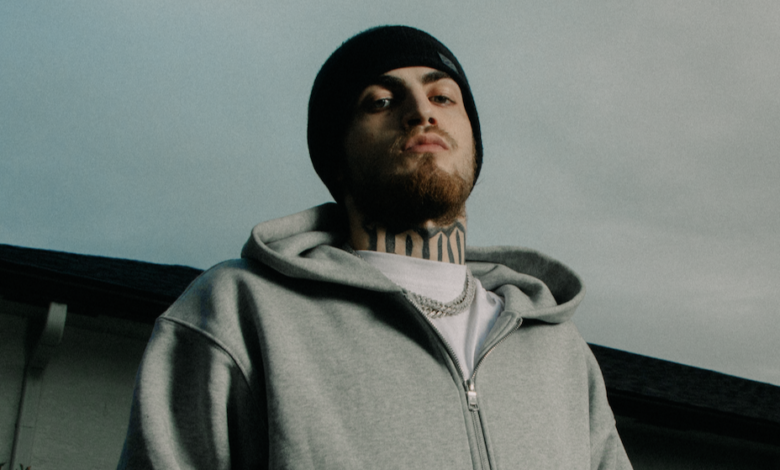
1900Rugrat has quickly risen as one of the most talked-about emerging voices from Florida’s rap scene. His momentum grew after gaining attention from major industry figures, including Drake, which pushed his name deeper into mainstream conversations. That early recognition positioned him as an artist to watch, especially after the release of his debut project Porch 2 The Pent. However, that same attention has now become part of a larger controversy involving creative ownership and production similarities. The situation escalated when accusations surfaced linking Drake’s recent work to one of Rugrat’s earlier songs. This has created a split in public opinion and placed both artists under intense scrutiny.
The core of the dispute centers around claims made by 1900Rugrat, a Florida rapper known for his aggressive delivery and rising influence. He alleges that Drake and his team showed interest in his music during the development phase of his debut project. According to his account, he shared multiple tracks with Drake’s camp, including a song he calls his “Intro,” which he intended to keep exclusive to his album. That track later became a focal point in the dispute after listeners compared it to Drake’s song Little Birdie from the album ICEMAN. Rugrat claims the resemblance goes beyond inspiration and points to the beat structure and melody as key similarities. He insists that the production was originally his and not something that should have been reused or reworked without credit.
The situation became more public when 1900Rugrat addressed the issue on social media, where he expressed frustration and disbelief. He described how he believed his unreleased material was shared in confidence and later resurfaced in a form he felt was too similar to ignore. In his posts, he also referenced alleged direct messages involving Drake, where discussions about potential collaboration were said to have taken place. Rugrat claimed that promises of future collaboration and a possible feature never materialized, adding to his frustration. He further stated that after hearing ICEMAN, he immediately noticed what he believed to be a reworked version of his original idea. These claims have not been independently verified, but they have circulated widely across social platforms.
Public reaction has been divided, with listeners and industry observers analyzing both tracks for similarities. Some argue that modern hip hop production often relies on shared sample pools, which can naturally lead to overlapping sounds. Others believe that the similarities described by Rugrat raise legitimate questions about creative boundaries and credit in the industry. The fact that sampling and re-pitching are common practices in rap production has further complicated the discussion. Critics of Rugrat’s claims suggest that influence does not always equal copying, while supporters argue that independent artists deserve stronger protection for early-stage work. The debate continues to grow as more listeners compare the songs side by side and form their own conclusions.
At this stage, no official statement has been released by Drake or his team regarding the accusations. The controversy has added another layer of discussion around ICEMAN and its creative direction, especially as Drake remains one of the most closely watched figures in global music. For 1900Rugrat, the situation has amplified his visibility, even as it places him in a tense public spotlight. Whether the claims lead to clarification, collaboration, or legal steps remains uncertain. What is clear is that the conversation around beat ownership, influence, and transparency in modern hip hop is becoming more prominent. The outcome of this dispute may shape how similar conflicts are viewed in the future.