Cardi B Faces New Copyright Lawsuit Over Old Twitter Photo
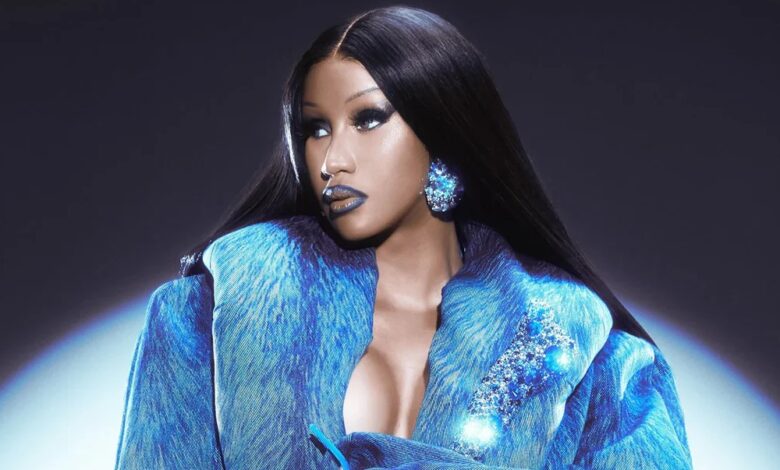
Cardi B is back in the legal spotlight, this time over a copyright dispute. A Florida-based photographer, Jawad Elatab, has filed a lawsuit claiming that the rapper used one of his photos without permission. The image in question was posted by Cardi B on Twitter (now X) in 2021, but Elatab says he originally shot it in 2019 and registered the copyright with the U.S. Copyright Office that same year.
According to NJ.com, Elatab alleges that Cardi B ignored two prior legal notices sent in 2023 and 2024. The lawsuit claims willful copyright infringement and accuses the rapper of failing to implement policies to prevent unauthorized use of the image. Elatab is seeking actual damages, disgorgement of profits, statutory damages, attorney’s fees, and an injunction to stop further use of the photo.
The photographer also claims that Cardi B’s use of the image boosted engagement on her social media, increasing traffic and indirectly generating additional revenue.
This legal battle follows previous high-profile cases for the rapper. Cardi B recently warned the public after an assault lawsuit filed by Emani Ellis, a former security guard. Ellis alleged that Cardi B spat on, scratched, and verbally assaulted her, seeking $24 million in damages. Cardi admitted only to verbal assault, noting that Ellis had recorded the interaction without consent. After the case, Cardi B cautioned potential litigants that she would countersue to protect her earnings and reputation.
Elatab’s lawsuit marks another legal hurdle for Cardi B as she continues to manage her music career, business ventures, and personal brand. The case will likely draw attention not only for its celebrity connection but also for broader implications on social media use and copyright enforcement for public figures.
Fans and legal observers will be watching closely to see how the rapper responds, particularly given her previous statements about aggressively defending herself against frivolous lawsuits. The outcome could influence how artists and public figures approach posting copyrighted material online in the future.