Nipsey Hussle Docuseries Nears Completion as Hundreds of Hours of Archival Footage Are Reviewed
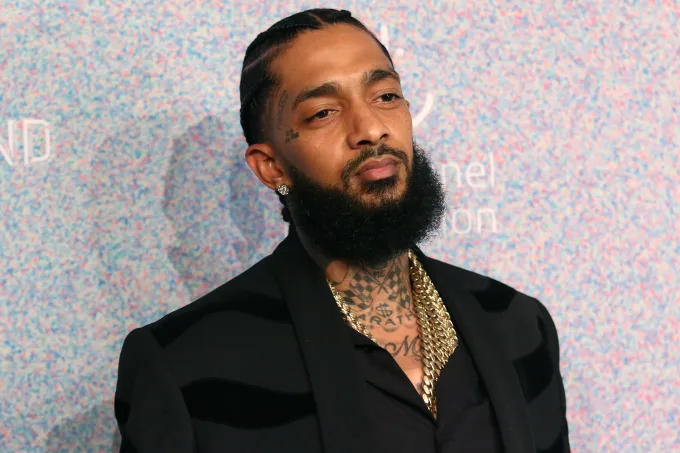
The long-awaited Nipsey Hussle docuseries is reportedly moving closer to completion as his family continues the painstaking process of reviewing hundreds of hours of archival footage from the late rapper’s life. Blacc Sam, Nipsey Hussle’s brother and one of the key figures overseeing the project, recently offered an update during an appearance on the Bootleg Kev Podcast. He explained that the family has deliberately taken its time because preserving Nipsey’s story and maintaining creative control have remained more important than rushing the project to a streaming platform. The documentary has consequently developed into a much larger production than originally expected, with the current version stretching across approximately eight or nine episodes. For fans who have waited years to see a more intimate account of Nipsey’s journey, the latest update suggests that the project is finally approaching its next major stage.
Blacc Sam explained that the documentary faced delays because the family was unwilling to hand over creative control to companies that wanted significant influence over how Nipsey’s story would be presented. Rather than accept a deal that could compromise their vision, the team decided to finance the project independently. Sam said they have been self-financing the production in increments of roughly $100,000, allowing them to retain greater control over the material and the direction of the series. That approach has made the process considerably longer, but it has also allowed the family to build the project on its own terms. For a story involving such a significant cultural figure, the decision reflects the family’s desire to ensure that Nipsey’s life is presented with context rather than reduced to the circumstances surrounding his death.
The scale of the archive appears to be one of the biggest reasons the docuseries has taken so long to complete. Sam revealed that the production team has access to hundreds of hours of footage collected from different stages of Nipsey’s life. Some of the material reportedly came from places and periods that Sam himself did not expect to have survived or been documented. Sorting through such an extensive archive requires more than simply selecting the most visually interesting clips, because the footage needs to be organized within a coherent account of Nipsey’s personal and professional development. The sheer volume of material could also explain why the project has evolved into an eight or nine episode series instead of a conventional feature-length documentary.
The archive is expected to give viewers an opportunity to see Nipsey Hussle long before he became an internationally recognized rapper and entrepreneur. According to Blacc Sam, the series will explore Nipsey’s childhood and the period when he first began learning how to record music and make beats. It will also examine the experiences that shaped his worldview while growing up in South Los Angeles. These early years are important because they provide context for the ambitions and principles that later became central to his career. By beginning with Nipsey as a child and following his development over time, the series can show how his identity evolved rather than presenting his life only through the lens of his later success.
The project is also expected to address difficult and complicated parts of Nipsey’s past. Sam has indicated that the archive includes footage from the period when Nipsey was involved in selling drugs in his neighborhood before music became the career he wanted to pursue seriously. Including that chapter could provide a more honest picture of the environment in which Nipsey grew up and the challenges he faced before establishing himself in music. His story has often been associated with entrepreneurship, community investment, independence and personal growth, but those achievements developed from a much more complicated background. Showing the full journey could help audiences understand that his transformation was gradual and involved difficult choices, setbacks and changes in priorities.
Nipsey’s evolution as an artist will also form an important part of the series. Before becoming known globally for projects such as Victory Lap, he spent years developing his sound, building a local following and establishing The Marathon as both a musical identity and a broader philosophy. His independent approach to releasing music helped distinguish him from artists who relied heavily on major-label structures. The docuseries has the potential to show that process from a much closer perspective because the archive reportedly contains footage from periods when Nipsey was still experimenting with recording and production. Those scenes could provide valuable insight into how he developed the discipline and vision that eventually shaped his career.
Family life is another area where the documentary could offer material that audiences have rarely seen. Blacc Sam has indicated that the series will explore Nipsey’s home life as well as the birth of his daughter, providing a more personal perspective on the man behind the public image. Nipsey became widely known for his music, business ventures and community work, but his role within his family remained an important part of his identity. Personal footage can show dimensions of his character that interviews and music videos cannot fully capture. This access could make the docuseries particularly meaningful because it allows audiences to see Nipsey not only as an influential rapper and entrepreneur but also as a son, brother and father.
The decision to make the project episodic appears to have been driven partly by the amount of material available. A feature documentary would have placed strict limits on how much of Nipsey’s life could be explored in meaningful detail. An eight or nine episode format gives the filmmakers more space to examine different stages of his development and connect personal experiences with professional milestones. It also allows the project to spend more time on people and events that influenced Nipsey without forcing every part of the story into a condensed timeline. If handled carefully, the longer format could create a richer portrait of an artist whose life encompassed music, entrepreneurship, family, community activism and personal transformation.
The family’s decision to self-finance the documentary also highlights the importance of ownership in Nipsey Hussle’s legacy. Nipsey built much of his career around independence and control, particularly through The Marathon Clothing and his approach to music distribution and business. His family’s approach to the documentary reflects a similar concern about who gets to shape and profit from his story. Rather than immediately accepting an offer from a company that could provide a faster release, they have continued investing their own resources into the project. That process may have required patience and significant financial commitment, but it gives the family a stronger position when deciding how Nipsey’s story should ultimately reach audiences.
Blacc Sam said the production team expects to spend another five to six months completing the documentary. That timeline includes the enormous task of sorting through the archive, selecting the most important material and assembling the episodes into a finished narrative. Once that work is complete, the family intends to shift its attention toward distribution. Sam has expressed interest in finding a platform capable of presenting the series to the largest possible audience, with Netflix reportedly high on his wish list. However, no distribution agreement has been announced, so any future streaming home remains uncertain.
The potential arrival of the docuseries also comes at a time when Nipsey Hussle’s cultural influence continues to grow years after his death. His music remains popular, while his ideas around ownership, community investment, entrepreneurship and long-term planning continue to influence conversations about artists building businesses beyond music. His Victory Lap era established him as a major figure in hip-hop, but the years before that success reveal a much longer story of independent work and persistence. A documentary built from hundreds of hours of personal and archival footage could add important depth to the public understanding of that journey. It could also give longtime supporters material that feels different from the interviews, tributes and retrospective coverage that have already been released.
The wait has been lengthy, but the latest update suggests that the Nipsey Hussle docuseries is entering a critical phase. Blacc Sam’s comments indicate that the family has chosen patience, financial independence and creative control over a faster release. The result could be an unusually detailed account of Nipsey’s life, supported by footage covering his childhood, early music experiments, personal relationships, street years, entrepreneurial ambitions and rise to international recognition. With hundreds of hours still being reviewed and another five to six months of work reportedly expected, there is still a process to complete before viewers can watch the finished series. If the final product delivers on the depth of the archive and the intimacy promised by his family, Nipsey Hussle’s docuseries could become one of the most comprehensive portraits yet of the artist, businessman and community figure behind The Marathon.