Yung Miami and Tyla Appear Ready to Move Past Their “Chanel” Controversy
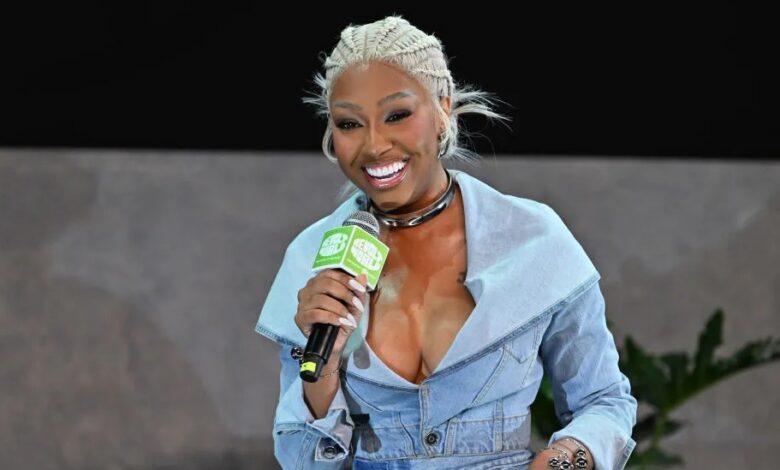
Yung Miami and Tyla appear to have put their previous “Chanel” controversy behind them, despite never having spoken directly about the disagreement. The issue began when Yung Miami accused Tyla of taking inspiration from her unreleased “Take Me To Chanel” snippet for Tyla’s own song “Chanel.” The allegation quickly attracted attention because both artists had already established strong identities in music and fashion, making the accusation a subject of discussion among their respective fan bases. Tyla later denied that she had heard the specific snippet before recording her song and offered an explanation for how “Chanel” came into her hands. Now, comments from both artists suggest that there may be little interest in extending the dispute, with Miami making it clear that she has moved on.
The controversy resurfaced during a recent conversation between Yung Miami and Complex’s Jordan Rose. Rose asked the former City Girls member about the situation and whether she had eventually spoken with Tyla about the accusation. Miami explained that the two had never actually discussed the matter directly after the controversy became public. She said that the situation was what it was and that she had moved forward from it rather than continuing to focus on the disagreement. Her response presented the issue as something that happened in the past rather than an ongoing conflict between the two artists.
The original dispute centered on a snippet called “Take Me To Chanel,” which Yung Miami had shared before Tyla released her own song titled “Chanel.” Miami believed there were enough similarities to suggest that Tyla had taken the idea from her unreleased material. The allegation created immediate conversation online because snippets have become an increasingly important part of modern music promotion, with unfinished songs often spreading across social media before their official releases. When another artist later releases a track that listeners believe resembles an existing snippet, questions about inspiration and ownership can quickly emerge. In this case, the disagreement became even more interesting because the two artists had previously crossed paths in the studio.
Tyla eventually addressed the accusation during a video conversation with Quenlin Blackwell. The South African singer explained that she had been in the studio with Yung Miami and had heard several of Miami’s songs during that encounter. However, Tyla said she did not hear the particular “Take Me To Chanel” snippet that Miami later accused her of using. She also explained that the song that became her version of “Chanel” came from another songwriter who sent the material to her months after the studio meeting. Tyla acknowledged why people might have assumed there was a connection, but she rejected the suggestion that she had deliberately taken Miami’s idea.
Tyla’s response also helped reduce the confrontational tone surrounding the controversy. Rather than attacking Yung Miami, she explained her version of events and showed appreciation for the former City Girls rapper. During the conversation, Tyla even sang part of Miami’s viral track “Spend Dat,” reinforcing the idea that she had respect for the rapper despite the disagreement. That detail became important because it showed that the situation did not necessarily develop into personal animosity. Tyla appeared willing to clarify the circumstances while still acknowledging Miami’s influence and music.
Yung Miami’s latest comments have similarly suggested that she does not view the matter as an active feud. When Jordan Rose asked whether she and Tyla had spoken about the controversy, Miami simply explained that they had never had the opportunity. She did not indicate that there had been additional arguments, private confrontations or attempts to escalate the situation. Instead, she emphasized that she had moved on. That response is significant because public music controversies can sometimes continue long after the original disagreement, especially when fans repeatedly bring them back into the conversation.
The conversation became even more revealing when Rose pointed out that Tyla appears to enjoy Yung Miami’s music. Miami responded that she was sure Tyla did, making it clear that she did not interpret Tyla’s support as something negative or suspicious. She also pointed out that Tyla had participated in a TikTok connected to “Tea Time,” another indication that the South African artist has shown appreciation for her music. Miami specifically said she was not making the comment in a shady way. Her response suggests that whatever disagreement existed around “Chanel” has not prevented her from recognizing Tyla’s public support.
The situation also highlights the complicated nature of musical inspiration in an era where snippets can become viral before a song is officially released. Artists regularly share unfinished ideas online, perform unreleased material and collaborate with songwriters who may independently circulate similar concepts. A phrase, melody or title can sometimes reach multiple people through different creative channels, making it difficult for audiences to determine where an idea originated. Without direct evidence of copying, similarities alone do not necessarily establish that one artist deliberately took another artist’s work. The “Chanel” controversy demonstrates how quickly these questions can become public before the people involved have even had an opportunity to speak privately.
For Yung Miami, the incident appears to be just one chapter in a period of significant personal and professional change. She has continued developing her individual identity after the City Girls era while remaining active in music, entertainment and fashion. She has also recently shared a major personal update involving a new relationship, marking another stage in her life away from some of the associations that previously dominated public conversations about her. Her decision to describe the Tyla situation as something she has moved past fits into that broader picture. Miami appears increasingly focused on her current life rather than revisiting every controversy connected to her past.
Tyla, meanwhile, has continued to deal with a wide range of online speculation surrounding her rapidly expanding career. The singer has become one of the most recognizable young South African artists internationally, with her music and public image attracting attention far beyond her home country. Viral discussions about her collaborations, relationships and personal life frequently spread across social media, sometimes forcing her to clarify stories that she did not start herself. Her handling of the Yung Miami controversy was relatively measured, as she explained her perspective without turning the disagreement into a prolonged public feud. That approach has allowed the issue to lose some of its momentum.
The fact that Tyla continues to show appreciation for Yung Miami’s music also makes the situation less likely to become a traditional rap feud. There have been no indications from the comments provided that either artist is seeking a public confrontation or another round of accusations. Miami’s acknowledgment of Tyla’s support further suggests that she does not view the singer as an enemy. Both artists have their own careers to focus on, and continuing to revisit an unresolved disagreement would likely create more attention than either appears to want. The most notable part of the latest exchange may therefore be how little hostility remains.
There is still a possibility that the two artists could eventually discuss the situation face to face. Miami has said they have never spoken after the controversy, meaning there has been no private conversation that could provide additional context about what happened. If they do meet or collaborate in the future, the “Chanel” incident could become an interesting part of their shared history rather than an ongoing source of tension. A direct conversation could also finally clarify any remaining misunderstandings surrounding the unreleased snippet and Tyla’s version of events. However, neither artist appears to be demanding that conversation, which makes it equally possible that the matter will simply remain in the past.
For now, the “Chanel” controversy appears to be winding down rather than developing into a larger dispute. Yung Miami has made it clear that she moved on, while Tyla has already explained why she believes the accusation was based on an assumption rather than intentional copying. Their continued signs of musical support toward one another suggest that the disagreement did not create lasting hostility. The episode also demonstrates how quickly conversations about musical inspiration can escalate when unreleased snippets and viral social media posts become involved. Unless either artist chooses to revisit the issue, the Yung Miami and Tyla “Chanel” saga appears to be over, leaving both women free to focus on their own careers and the next stages of their musical journeys.