Yella Beezy Found Guilty of Capital Murder in MO3 Killing, Faces Life in Prison
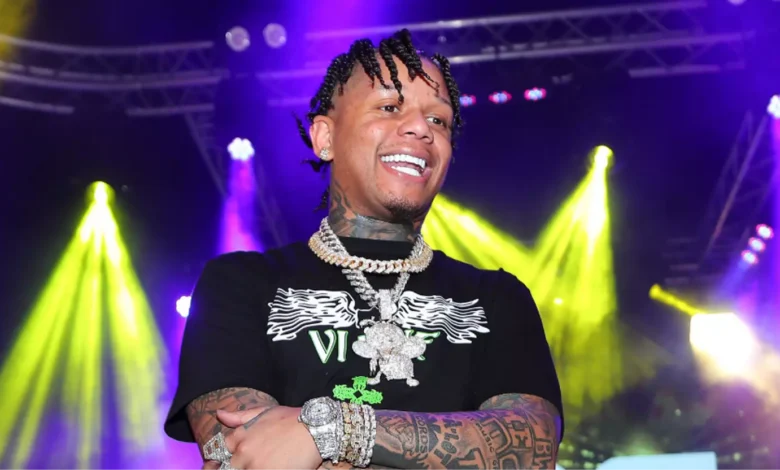
Yella Beezy has been found guilty of capital murder by remuneration in connection with the November 2020 killing of fellow Dallas rapper MO3. The verdict marks a major development in a case that has remained one of the most closely followed criminal proceedings in the hip-hop community. Prosecutors accused Beezy, whose real name is Markies Conway, of arranging a murder-for-hire plot that resulted in MO3’s death. According to the prosecution, Conway paid the alleged shooter, Kewon White, $40,000 to carry out the killing. With the jury finding Beezy guilty, the rapper now faces an automatic sentence of life in prison without the possibility of parole after prosecutors decided not to pursue the death penalty.
The murder of MO3, whose real name was Melvin Noble, shocked Dallas and the wider hip-hop community when news broke in November 2020. The rapper was killed on November 11, 2020, during a shooting on Interstate 35 in Dallas, Texas. The attack happened in broad daylight, making the incident particularly disturbing. Reports surrounding the shooting described how MO3 was targeted while travelling along the highway. His death brought an abrupt end to a promising music career and sparked widespread conversations about violence within the hip-hop industry.
MO3 had built a strong following through his emotionally driven music and distinctive Southern rap sound. He was particularly popular in Dallas, where his music connected with listeners through personal stories about hardship, relationships and life experiences. His growing reputation had helped him attract attention beyond Texas, with songs such as “Errybody” introducing his music to a wider audience. His death left fans mourning an artist many believed had considerable potential. The circumstances surrounding his killing also raised serious questions about the events that led to the shooting and the people allegedly responsible.
The case against Yella Beezy centred on allegations that he arranged and financed MO3’s murder. Prosecutors argued that Conway paid Kewon White $40,000 to carry out the attack. White was identified as the shooter and was previously convicted of murder for his role in MO3’s death. He received a sentence of life in prison without the possibility of parole. Beezy’s trial focused on whether he played a role in organising the killing rather than physically carrying out the shooting himself. The jury ultimately accepted the prosecution’s case and found him guilty of capital murder by remuneration.
Throughout the proceedings, Beezy maintained his position through his legal defence team, which challenged the allegations against him. His attorneys worked to convince the jury that the prosecution had not established his guilt beyond a reasonable doubt. However, the defence was ultimately unsuccessful. Beezy reportedly remained stoic as the verdict was delivered in the courtroom. The announcement also prompted an emotional reaction from people present during the proceedings. There was reportedly some commotion as security personnel spoke with individuals in the courtroom and asked certain people to leave.
The verdict represents a major moment in a case that has taken several years to reach this stage. Investigations into MO3’s murder and the subsequent legal proceedings involved multiple developments, including White’s conviction. The latest ruling addresses the allegations that Beezy financially arranged the killing. Under Texas law, capital murder by remuneration involves a murder committed for payment or the promise of payment. This makes the alleged financial arrangement a central element of the prosecution’s case. The jury’s decision means Beezy has now been convicted of one of the most serious criminal offences under Texas law.
One of the biggest questions following the verdict concerns the punishment Beezy will receive. In Texas, capital murder convictions can carry either the death penalty or life imprisonment without the possibility of parole, depending on the circumstances and the prosecution’s decision. In this case, prosecutors chose not to seek the death penalty. Consequently, Beezy faces an automatic sentence of life in prison without parole. This means that, once sentenced, he will not have the option of returning to the public through ordinary parole procedures. The outcome places his future behind bars and represents a dramatic turn in the rapper’s career.
Beezy’s legal team is expected to challenge the verdict through the appeals process. An appeal would allow his attorneys to raise legal arguments concerning the trial, including potential issues involving evidence, jury instructions or courtroom procedures. However, an appeal does not automatically guarantee a new trial or the reversal of a conviction. The defence would need to establish legally recognised grounds for challenging the outcome. Until any appeal is resolved, the guilty verdict remains a significant development in the case. Further legal proceedings could determine whether the conviction stands.
The case has also renewed conversations about violence in hip-hop, particularly within regional rap scenes where personal disputes can sometimes develop into dangerous situations. MO3’s killing demonstrated how quickly violence can destroy a promising career and affect families, friends and entire communities. His music continues to attract listeners, while his death remains a painful subject for supporters who followed his rise. The conviction of Yella Beezy adds another chapter to a tragedy that has been discussed throughout the Dallas music scene for years. It also highlights the serious consequences associated with murder-for-hire allegations and the legal system’s treatment of those found guilty.
Yella Beezy’s conviction marks a turning point in the long-running legal case surrounding MO3’s death. Six years after the fatal shooting on Interstate 35, a jury has found Conway guilty of capital murder by remuneration, following the earlier conviction of Kewon White as the shooter. The prosecution’s allegation that Beezy paid $40,000 to arrange the killing was central to the case, and the jury ultimately found him guilty. With prosecutors declining to seek the death penalty, he faces life imprisonment without the possibility of parole. Although his legal team is expected to pursue an appeal, the verdict represents a major development for everyone affected by MO3’s death. For MO3’s family, friends and supporters, the decision brings another significant moment in a case that has remained in the public eye since 2020.