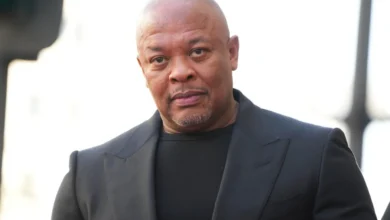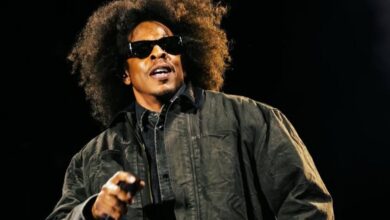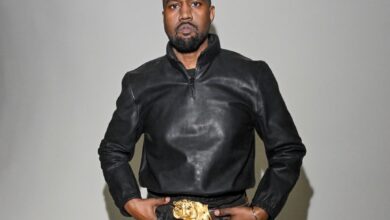
Jaraed Deal and Marlon Barrow Sue Kanye West and Ty Dolla $ign Over Unauthorized Sample in “Vultures”

Kanye West and Ty Dolla $ign are facing another legal challenge, this time involving their collaborative song “Vultures.” The track, which appeared on their 2024 collaborative album of the same name, has become the subject of a copyright infringement lawsuit filed by music producers Jaraed Deal and Marlon Barrow. The two producers claim that their creative work was used without their permission or a proper licensing agreement. Although they eventually received credit for their contribution, they argue that the acknowledgment did not resolve the legal and financial issues surrounding the sample. The lawsuit raises important questions about music sampling, copyright protection and the responsibilities artists have when using another creator’s work. It also highlights the ongoing challenges independent producers face when trying to protect their intellectual property in the music industry.
According to reports, Jaraed Deal and Marlon Barrow originally created the disputed sample in 2018. The producers claim that their work eventually reached Ty Dolla $ign, who allegedly heard the sample during a phone conversation before taking and using it. They argue that the circumstances surrounding its use demonstrated a disregard for their artistic contributions and legal rights. The lawsuit reportedly claims that neither producer gave explicit permission for the sample to appear in “Vultures.” Despite the eventual recognition of their contribution, Deal and Barrow maintain that proper authorization was never obtained. Their complaint focuses on the difference between receiving songwriting or production credit and having a legally valid agreement that permits the commercial use of copyrighted material.
One of the central issues in the lawsuit concerns the alleged absence of payment for the sample. Deal and Barrow claim that they were not compensated for the use of their creative work in the commercially released song. They also state that no formal licensing agreement was prepared or signed to establish the terms of its use. In the music business, sample clearance is an important process because it allows artists and record labels to obtain permission before incorporating existing recordings into new music. Depending on the agreement, the original creators may receive an upfront licensing fee, royalties or other forms of compensation. Without the necessary permissions, the use of a sample can lead to copyright disputes and potentially expensive legal proceedings.
The producers’ legal representatives have emphasized that the dispute involves more than unpaid licensing fees or missing contractual arrangements. They argue that artists should have the right to decide when, how and by whom their creative work is used. Their lawyers explained that the lawsuit seeks to protect artistic integrity and enforce intellectual property rights. They also described the alleged use of the sample as knowing, continuous and unauthorized. From the plaintiffs’ perspective, the case concerns the commercial exploitation of creative material without the appropriate consent or compensation. This argument places the issue of artistic control at the center of the legal dispute.
Deal and Barrow also claim that the alleged unauthorized use caused significant financial harm. They say the situation left them frustrated and emotionally distressed because their work was incorporated into a major commercial release without their explicit approval. Their legal team reportedly described the experience as a profound sense of exploitation. These allegations reflect a broader concern among music producers who create samples, beats and other musical elements that may eventually become part of successful recordings. While digital production tools have made sampling more accessible, they have also created complicated questions about ownership and licensing. Producers who create original material need clear agreements that establish how their work can be used and what compensation they should receive.
The lawsuit also follows an unsuccessful attempt to resolve the disagreement outside court. Representatives for Kanye West and Ty Dolla $ign reportedly made a buyout settlement offer to Deal and Barrow. However, the producers did not accept the proposal. The reported offer suggests that an attempt was made to reach a financial agreement before the dispute proceeded further. Nevertheless, the disagreement remained unresolved, leading the producers to pursue legal action. The details of the proposed settlement, including its financial value and specific conditions, have not been publicly established in the information available about the case.
For Kanye West, who is also known professionally as Ye, the lawsuit represents another legal challenge connected to his music career. The rapper has built a reputation for ambitious production, experimental sound design and extensive use of musical samples. Sampling has played an important role in hip-hop for decades, allowing producers to transform existing recordings into new compositions. However, the creative possibilities of sampling do not remove the legal requirement to obtain appropriate permissions when copyrighted material is used. Ty Dolla $ign is also named in the dispute because of the alleged circumstances surrounding how the sample was obtained and incorporated into the track. At the time of the reported lawsuit, neither artist had publicly responded to the allegations.
The case also highlights why sample clearance remains an essential part of modern music production. Producers frequently exchange musical ideas through phone calls, private recordings, digital files and studio sessions. However, sharing a musical idea does not automatically grant another person permission to use it commercially. A formal licensing agreement can establish ownership rights, payment arrangements, royalty percentages and other conditions. These agreements help prevent misunderstandings between producers, performers, publishers and record labels. When artists release music without resolving these matters, they may expose themselves and other involved parties to copyright claims.
The distinction between production credit and copyright permission is particularly important in this dispute. Receiving credit can acknowledge someone’s contribution to a song, but it does not necessarily establish that every legal requirement for using the underlying work has been satisfied. Similarly, an artist may be recognized as a contributor while still disputing whether the terms of use were properly negotiated. Deal and Barrow’s complaint appears to focus on this distinction. They are not simply arguing that their names should have appeared in the song credits. Instead, they claim that they should have been consulted, given the opportunity to approve the use of their sample and compensated under an appropriate agreement.
As the legal proceedings develop, the outcome could provide further attention to the responsibilities artists have when incorporating samples into commercially released music. However, the allegations in the lawsuit have not been established as court findings, and the defendants have not publicly responded at the time of the reported filing. The case will ultimately depend on the available evidence, the applicable copyright laws and the legal arguments presented by both sides. Any financial damages or other remedies will depend on the proceedings and their outcome. Until then, the claims made by Deal and Barrow should be understood as allegations rather than proven violations.
The lawsuit filed by Jaraed Deal and Marlon Barrow against Kanye West and Ty Dolla $ign puts music sampling and copyright protection back in the spotlight. The producers allege that their 2018 sample was used in “Vultures” without explicit consent, proper licensing or payment, despite eventually receiving credit for their contribution. Their decision to reject the reported buyout settlement offer and pursue legal action shows that the disagreement involves more than simply receiving recognition. It concerns the rights of creators to control and benefit from their original work. As the case moves forward, it may serve as another reminder that successful music production requires more than creativity and commercial ambition. Artists and producers must also respect copyright ownership, secure the necessary permissions and establish fair agreements before releasing music that incorporates someone else’s creative material.