Rappers Named After Mob & Crime Figures
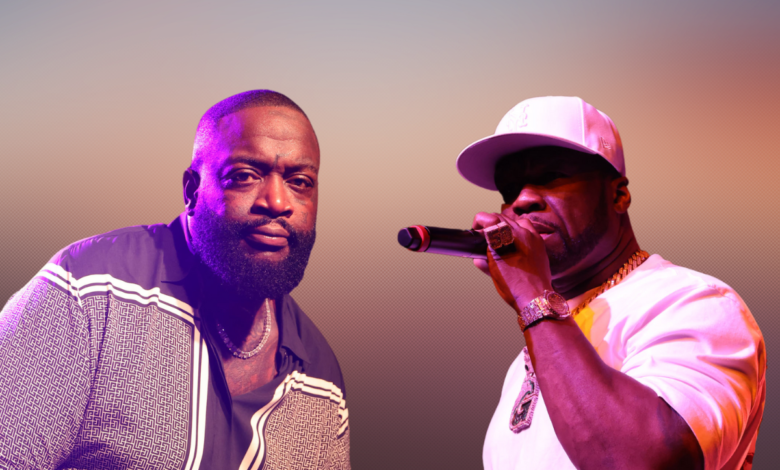
Many rappers have drawn inspiration from the dark mystique of mob bosses, infamous criminals, and street legends—adopting names that evoke power, danger, and street credibility. Whether based on real-life figures or iconic fictional characters, these names serve as branding tools that reinforce a persona of rebellion and resilience.
Here’s a closer look at hip hop artists whose names—or aliases—are directly tied to figures from the world of crime, organized or otherwise.
Rick Ross — Inspired by “Freeway” Rick Ross

Real Figure: “Freeway” Ricky Ross was a notorious drug kingpin who dominated the L.A. crack cocaine trade in the 1980s.
Rap Persona: The rapper Rick Ross (born William Roberts II) took the name to project a kingpin persona, complete with lavish lifestyle imagery and street narratives. Though the real Rick Ross distanced himself from the rapper, courts ruled in favor of artistic expression.
50 Cent — Modeled After Kelvin “50 Cent” Martin
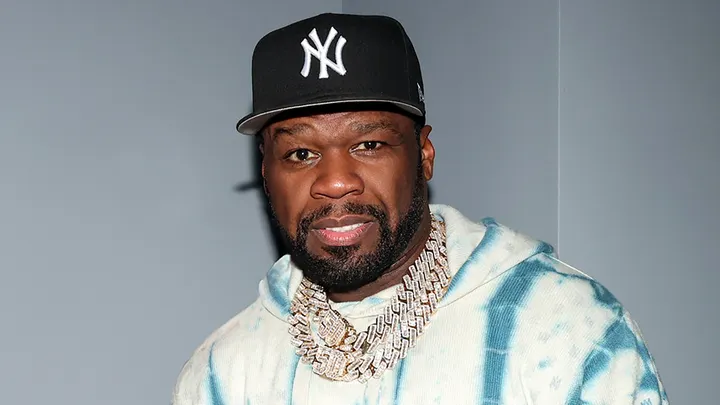
Real Figure: Kelvin Martin was a feared Brooklyn stick-up kid in the ’80s, known for robbing hustlers and dealers alike.
Rap Persona: Curtis Jackson chose the alias as a metaphor for resilience and survival. In his words, “I’m the same kind of person 50 Cent was—I provide for myself by any means.” His name mirrors the gritty tone of his music and his real-life rise from the streets to the boardroom.
Nas aka “Nas Escobar” — Nodding to Pablo Escobar
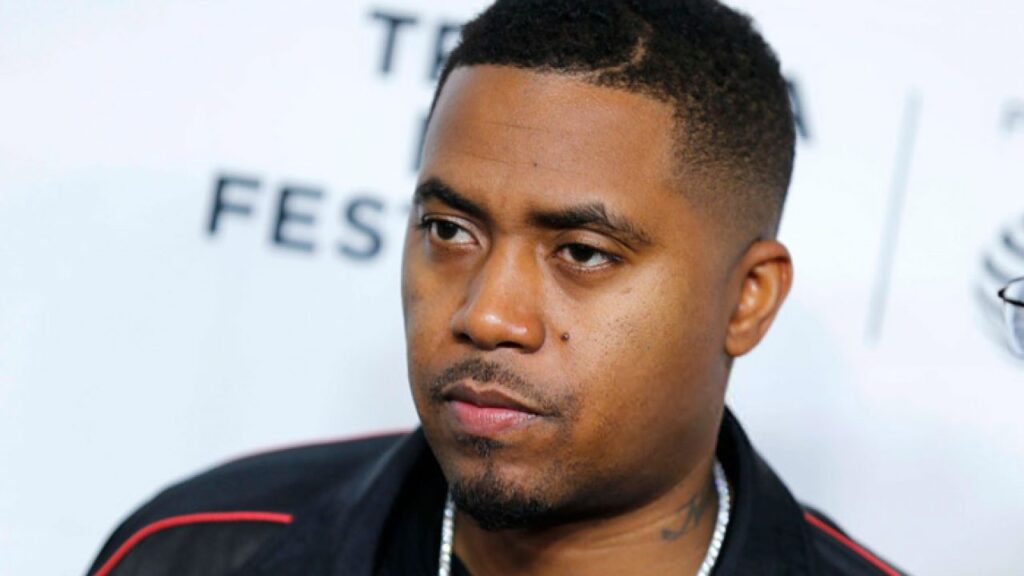
Real Figure: Pablo Escobar, leader of the Medellín cartel, became one of the world’s most feared and wealthy drug lords.
Rap Persona: During his It Was Written era, Nas adopted the alias “Nas Escobar,” embracing a mafioso aesthetic that showcased wealth, power, and high-stakes storytelling.
The Notorious B.I.G. — Influenced by Gangster Films

Inspiration: Rather than a real mobster, Biggie drew from gangster cinema like Scarface and King of New York.
Rap Persona: His name, “Notorious,” implied fame and infamy. Biggie’s lyrical storytelling, especially on tracks like Niggas Bleed, echoed the tone and detail of classic underworld films.
Raekwon aka “Lou Diamonds” — Mob-Style Alias

Figure: Though “Lou Diamonds” isn’t a real criminal, the name suggests calculated street sophistication.
Rap Persona: A key member of the Wu-Tang Clan, Raekwon helped pioneer mafia rap with his solo classic Only Built 4 Cuban Linx…, laced with underworld slang and cinematic themes.
Machine Gun Kelly — Named After George “Machine Gun Kelly” Barnes

Real Figure: A Depression-era gangster known for his use of the Thompson submachine gun.
Rap Persona: MGK embraced the outlaw energy of his namesake, delivering rapid-fire lyrics and a rebellious persona that embodied chaos and youth angst.
Yo Gotti — Inspired by John Gotti

Real Figure: John Gotti, the feared and flashy boss of New York’s Gambino crime family, known as “The Dapper Don.”
Rap Persona: Mario Mims adopted the moniker “Yo Gotti” to reflect his image as a street boss—strategic, respected, and unafraid to move in silence or command attention.
French Montana — Influenced by Tony Montana (Scarface)

Fictional Figure: Tony Montana, the Cuban drug lord portrayed by Al Pacino in Scarface.
Rap Persona: French Montana fused the rags-to-riches hustle of Tony with his North African roots, embracing luxury, loyalty, and an “against all odds” mentality in his music.
Kool G Rap — “G” for Giancana?

Real Figure: Sam Giancana, a prominent Chicago mob boss known for political ties and organized hits.
Rap Persona: Kool G Rap is often credited as a founding father of mafioso rap. His complex, cinematic rhymes painted vivid street tales with a level of sophistication that mirrored mob strategy.
Jim Jones — Named After Cult Leader Jim Jones

Real Figure: Jim Jones, the leader of the Jonestown cult responsible for the 1978 mass murder-suicide.
Rap Persona: While not mob-related, rapper Jim Jones used the name to evoke danger, loyalty, and an unflinching leadership image. As a member of Dipset, his music often touched on codes of survival and street brotherhood.
These rapper monikers aren’t just names—they’re carefully chosen emblems of persona, story, and brand. Whether pulled from real crime history or cinematic legend, they amplify the mythos of hip hop’s street roots, showing how power, loyalty, and survival remain central themes in the culture.