Dame Dash Launches Dash Records to Rebuild Power in Music and Media
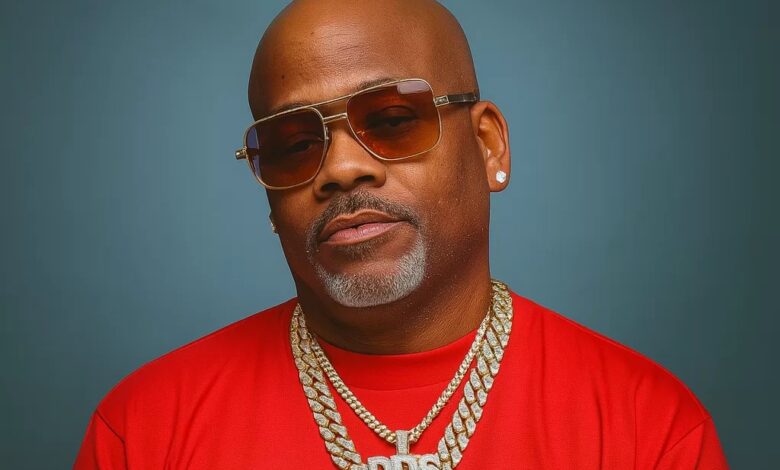
Dame Dash is making another aggressive move in the culture with the launch of Dash Records, a new label and creative company that signals a return to hands on control in music and media. The move comes at a time when his name continues to circulate through industry debate, legacy conversations and unresolved business tension. Dash is not approaching this as a symbolic project, but as a full scale rebuild of influence across music, visuals and creative services. The announcement has already sparked conversation because it connects directly to his Roc-A-Fella era reputation as a disruptive and independent minded executive. In a space where ownership and branding matter more than ever, his return to label building is being watched closely.
Dash Records was introduced through a public call for talent that went beyond just rappers and singers. He is actively looking for recording artists, producers, engineers, videographers, makeup artists, stylists and digital marketers to build a full creative machine. The goal is to create an ecosystem where music and image are developed together instead of separately, which reflects how modern hip hop branding actually operates today. His message emphasized hunger and talent over industry status, which aligns with his long standing approach to discovering and building culture from the ground up. The submission process is direct, with portfolios being sent through email, signaling a hands on and unfiltered entry point. This kind of open recruitment approach is designed to attract unknown creatives who want access rather than established industry names.
The launch also arrives while Roc-A-Fella Records continues to define much of Dash’s legacy in hip hop history. His past work with Jay-Z shaped one of the most influential independent music runs in the genre, but it also left behind long standing tension and public disagreement over control and credit. Dash has repeatedly revisited that era in interviews and commentary, often framing it through the lens of business conflict and competitive energy. One of his more talked about reflections involved claims about why Lupe Fiasco was not signed at the time, pointing to internal dynamics and perceived industry pressure. These statements continue to fuel debate about how Roc-A-Fella operated behind the scenes and how decisions were really made during its peak years.
At the same time, Dash is dealing with a shifting public image shaped by financial setbacks and ongoing disputes in entertainment and business. Instead of stepping back, he has continued to push new ventures that keep his name active in industry conversations. His move into talk show development adds another layer to his strategy, giving him a platform to control narrative and engage directly with culture in real time. Dash Records now becomes part of a wider rebuild that includes media, commentary and creative production under one umbrella. This approach suggests he is not only trying to re-enter music, but to rebuild a full ecosystem where he sets the terms of engagement. It is a model that reflects independence, control and direct ownership of output.
What happens next with Dash Records will depend on execution, not announcement. The label will need to prove it can attract talent, release consistent content and compete in a market driven by streaming and visual branding. Hip hop audiences will also be watching to see whether Dash leans into new voices or reconnects with established industry figures from his past. His history guarantees attention, but sustainability will depend on structure and results rather than legacy alone. For now, Dash is back in building mode, and the culture is watching closely to see if this new chapter becomes a real reset or another short cycle in a long and complex career.