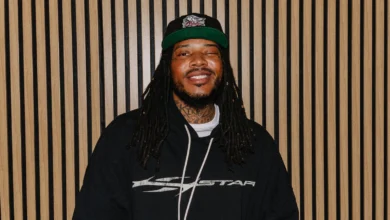
21 Savage’s Most Controversial Moments

21 Savage, born Shéyaa Bin Abraham-Joseph, has risen to fame as one of the most influential voices in modern rap. Known for his cold delivery and introspective lyrics, he’s also no stranger to controversy. From legal battles and social media spats to outspoken political stances, 21 Savage’s journey has been marked by several headline-grabbing moments that have sparked public debate and shaped his image both in the industry and beyond.
One of the biggest controversies that stunned fans came in 2019, when 21 Savage was arrested by U.S. Immigration and Customs Enforcement (ICE). The revelation that the Atlanta-based rapper was actually a British national who had overstayed his visa sent shockwaves through the entertainment world. For years, he had been viewed as a quintessential Atlanta artist, yet the arrest uncovered that he was born in London and moved to the U.S. as a child. ICE claimed he had been unlawfully present since his visa expired in 2006. The incident led to widespread criticism of the U.S. immigration system and sparked a larger conversation about undocumented immigrants who were brought to America as minors. It also led to support from fellow artists and public figures who called for his release and highlighted the human side of immigration laws.
Another moment that stirred controversy was his inclusion in a 2018 song titled “ASMR” by Metro Boomin, where 21 Savage rapped a line about “sliding” on Jews like he was on skis. The lyric was widely condemned as antisemitic, prompting a swift backlash on social media. He later apologized, explaining that the line was intended as a metaphor, not an insult, and stated he meant no harm. The apology helped calm the situation, but it remained a point of criticism among some listeners and advocacy groups.
21 Savage also faced scrutiny after appearing on Clubhouse in 2022 during a heated exchange involving affiliates of rival rap crews. During the conversation, he made comments that some interpreted as threats, although he later downplayed the exchange as being taken out of context. Critics argued that as someone trying to move beyond street violence, he should be more mindful of the influence his words carry, particularly when tensions in the rap community can turn deadly.
He also made waves when he publicly criticized U.S. immigration policies and voiced support for immigration reform following his own arrest. While some praised him for using his platform to advocate for change, others accused him of hypocrisy or questioned the timing of his activism. Still, his formation of the 21 Savage Bank Account Campaign—a financial literacy initiative for underprivileged youth—has been seen as a positive and proactive step forward.
On social media, 21 Savage has occasionally come under fire for comments perceived as insensitive or inflammatory. Whether it was tweeting “Atlanta don’t need no more shooting” after gun violence at an event or making remarks during livestreams, his tone and timing have occasionally sparked backlash, even from fans.
Despite the controversies, 21 Savage has continued to evolve. His work with artists like J. Cole and Drake, his Grammy win for Best Rap Song with “A Lot,” and his public transformation into a more reflective, socially conscious figure have allowed him to reclaim and reshape his narrative.
21 Savage’s controversies are part of a broader story—one that reflects the complexities of fame, identity, and growth in the public eye. While some of his moments have drawn criticism, they have also fueled important conversations around immigration, free speech, and personal transformation. As he continues to navigate fame and responsibility, 21 Savage remains one of the most compelling—and polarizing—figures in hip-hop today.