Ye’s Controversies Continue to Follow Him as Prague Show Sparks Debate Over Freedom of Expression
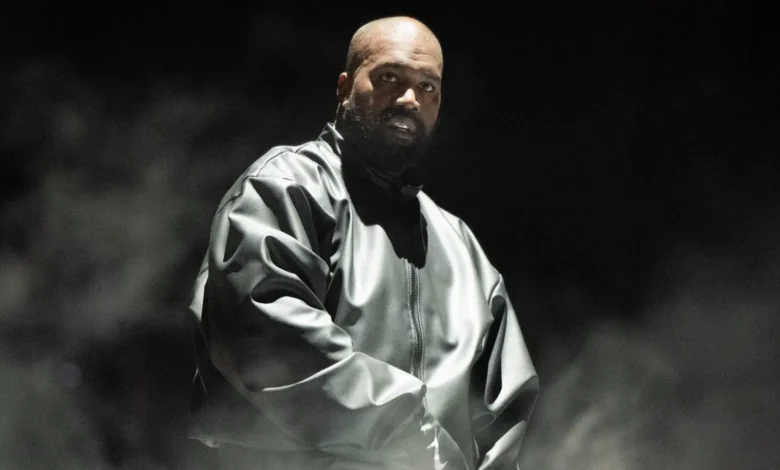
Kanye West, now known as Ye, remains one of the most polarizing figures in modern music and culture. His career has shifted between groundbreaking artistry and repeated public controversy, creating a reputation that continues to divide audiences worldwide. In recent years, Ye has attempted to move past a series of incidents that drew widespread criticism, but the impact of those moments still shapes how venues, governments and promoters respond to him. Even with new music releases like his project “Bully,” public and industry attention has not fully returned to his artistic output. Instead, discussions around him often return to his past statements and behavior.
The challenge Ye faces is not only public perception but also access to performance opportunities. Booking shows has become increasingly complicated for him in both the United States and international markets. Several regions have reportedly restricted or discouraged his performances due to concerns tied to his past comments. This has created a situation where even when concerts are planned, they often face backlash or pressure from political groups and advocacy organizations. As a result, each new announcement involving Ye tends to generate more debate than excitement, regardless of the musical significance.
A recent example of this tension is unfolding in Prague, where a planned Ye performance has become a political and cultural flashpoint. According to AllHipHop, the show is being organized by HUGO Productions and hosted at Chuchle Arena racecourse. The event has triggered strong reactions from critics who question whether Ye should be given a platform at all. Despite this, organizers have defended the decision, pointing to freedom of expression as a central principle in the Czech Republic’s ongoing public discourse. The venue’s director, Zuzana Rambova, stated that the responsibility to judge the artist’s participation should not rest solely on the venue itself.
Rambova emphasized that the current climate should not resemble past political systems where artists were restricted or censored. Her comments were a direct response to calls for the event to be cancelled. She also reinforced the idea that artistic expression should remain separate from political judgment, even in controversial cases. At the same time, this position has intensified the debate, with opponents arguing that public figures with large platforms carry a responsibility for their influence. The disagreement highlights the broader tension between free speech principles and accountability in entertainment spaces.
Hugo Varga, the entrepreneur behind HUGO Productions, has also spoken in defense of the show and Ye’s involvement. Varga argued that Ye’s past behavior should be viewed in the context of mental health struggles rather than extremist ideology. He stated that Ye is not an extremist and suggested that his public statements should be interpreted with more nuance. Varga also has experience navigating similar controversy, having previously organized the Rubikon Festival in 2025, which was cancelled after Ye was announced as a performer. This history adds another layer of complexity to the current Prague event and its chances of moving forward without disruption.
The situation in Prague reflects a broader divide in how Ye is viewed across Europe and beyond. Some political figures in the Czech Republic, including members of government, have emphasized strong support for freedom of expression. Czech Prime Minister Andrej Babis’s administration has reinforced this stance in public discussions, while Justice Minister Jeronym Tejc has also encouraged open defense of differing opinions. However, opposition voices continue to challenge the decision to host Ye, arguing that freedom of expression does not eliminate the consequences of public influence. This ongoing clash of viewpoints has turned the concert into more than just a music event, turning it into a cultural and political debate.
At the center of it all is Ye’s complicated public image, which continues to affect every aspect of his career. His artistic influence remains significant, but his reputation often overshadows new creative work. The lack of widespread discussion around recent releases like “Bully” reflects this shift in attention away from music and toward controversy. While some supporters argue that he is being unfairly judged and excluded, others believe accountability is necessary given his past statements. This divide ensures that every new project or appearance becomes a global talking point.
As the Prague situation develops, it highlights how difficult it has become for Ye to separate his music from his public identity. Whether the show proceeds or faces further resistance, it reflects a broader question about where the line is drawn between artistic freedom and public responsibility. What remains clear is that Ye continues to be one of the most debated figures in entertainment, with each new move reigniting long-standing arguments about culture, influence and accountability.