Nicki Minaj Explains Political Shift and Criticizes Democratic Expectations in New Comments on Obama, Jay-Z and Hip-Hop Culture
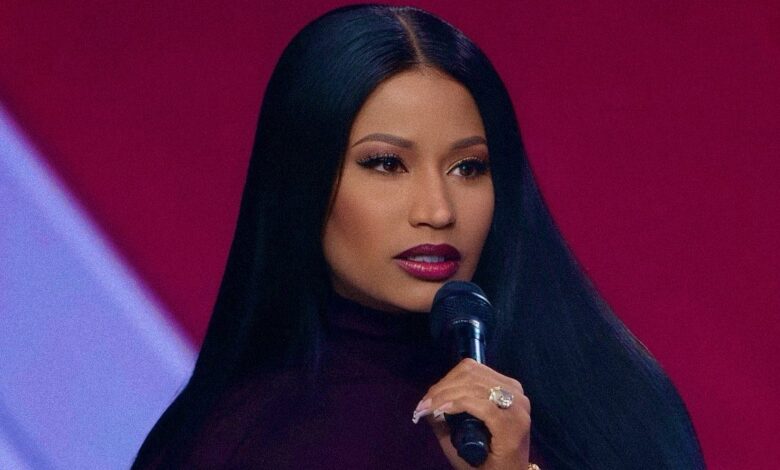
Nicki Minaj has sparked renewed political debate after openly discussing her evolving views on U.S. politics, including her criticism of the Democratic Party and her past comments about supporting conservative figures. Her remarks point to a gradual shift that she says developed over several years rather than a sudden change. She links her perspective to frustration with political expectations placed on Black entertainers and the broader structure of influence within the music industry. The discussion has reignited conversations about celebrity political alignment and independence in public opinion. Her comments also revisit long running tensions between music, politics and cultural loyalty in hip-hop.
One of the central points in her recent interview with TIME Magazine focused on her belief that Black artists are often expected to support the Democratic Party without question. She described this expectation as limiting and frustrating, suggesting it shaped how she viewed political expression in entertainment spaces. According to her, this pressure contributed to her desire to question narratives that she felt were presented as fixed. She also suggested that speaking against these expectations often leads to backlash within the industry. This perspective adds context to her increasingly public political commentary in recent years.
Barack Obama became part of her reflection when she discussed how political messaging and cultural relationships intersect in hip-hop. She pointed to his relationship with Jay-Z as an example of how political figures and major entertainers can become closely aligned. In her view, this connection created tension within parts of the rap community. She suggested that some artists felt excluded or uncomfortable with the influence such relationships represented. Her comments frame this dynamic as part of a broader issue of power distribution within entertainment and politics.
Nicki Minaj also raised concerns about how influence is structured within the music industry itself. She referenced her belief that concentrated control within major music networks affects artist relationships and public narratives. Her criticism extends to what she sees as long standing rivalries and gatekeeping in hip-hop culture. She implied that these dynamics have shaped how artists interact with political figures and major institutions. This angle connects her political views with her broader concerns about industry power structures.
She further addressed reactions to speeches made by Barack Obama during campaign-related appearances supporting Kamala Harris. According to her, some Black male voters felt the messaging did not reflect their experiences or concerns. She described this response as part of a larger disconnect between political leaders and certain communities. Her comments focused on perception and emotional reaction rather than policy detail. This added another layer to her argument about representation and voice in political spaces.
Nicki Minaj’s political identity has been discussed for years, including earlier moments where she referenced conservative figures in her lyrics. Her past statements include references to supporting Mitt Romney, which resurfaced in discussions about her current views. Over time, she says her opinions were kept private due to concerns about public backlash. She explained that the music industry environment often discourages open political alignment outside mainstream expectations. This context helps explain why her more recent comments have drawn significant attention.
She also suggested that her earlier alignment with conservative ideas existed privately before she ever spoke about them publicly. According to her, fear of industry reaction influenced how openly she expressed her political beliefs. She described the entertainment world as having an unspoken norm around political affiliation. That norm, she argued, discourages deviation from expected viewpoints. Her recent statements challenge that perceived boundary directly.
The broader reaction to her comments reflects ongoing debates about celebrity influence in politics and cultural responsibility. Supporters view her position as a form of independence from industry pressure, while critics see it as controversial given her platform. The discussion highlights how music figures continue to play a role in shaping political conversation beyond entertainment. It also shows how personal experiences within the industry can shape public political identity. Her remarks have placed her once again at the center of cultural and political discourse.
As the conversation continues, Nicki Minaj remains a prominent voice in both music and public debate. Her comments underline how personal history, industry dynamics and political messaging intersect in shaping celebrity viewpoints. The reactions also reflect the ongoing tension between artistic identity and political expectation. Whether agreed with or not, her statements have intensified discussions about independence of thought in entertainment.