Don Toliver Brings Out Malcolm Todd for Special “E85” Performance at Rolling Stone’s Musicians on Musicians Event
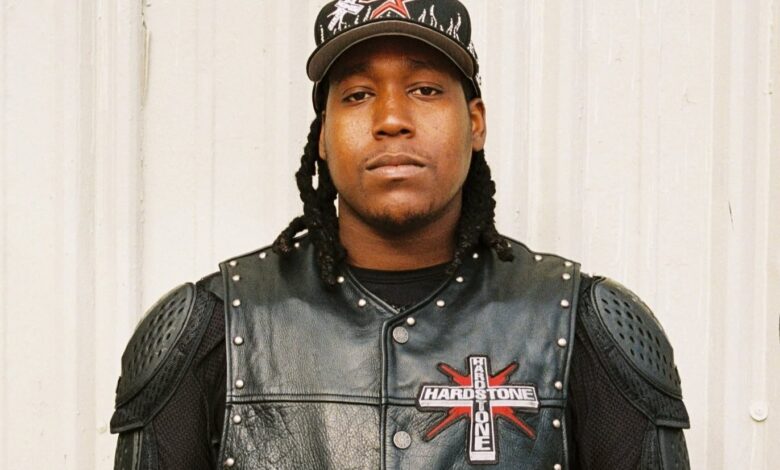
Don Toliver gave fans a memorable live music moment at Rolling Stone’s Musicians on Musicians event this weekend, opening his set with “E85” before returning to the hit to close out the performance alongside Malcolm Todd. The special appearance added a new dimension to the song, with Todd joining Toliver on guitar after his own music became part of the track’s sound. Todd’s song “Chest Pain (I Love)” is sampled on “E85,” creating a direct connection between the two artists through their music. Bringing Todd onstage gave that connection a live expression and offered the audience a different way to experience the record. By using “E85” to begin and end his set, Toliver also placed the track at the center of a performance that highlighted both his own sound and the creative links behind it.
The performance stood out because of the way Toliver structured his set around the same song. Opening with “E85” immediately established the musical direction for the appearance, while bringing it back at the end gave the set a sense of continuity. The closing version became more distinctive when Malcolm Todd joined him with a guitar, adding a live instrumental element to a track that already incorporates Todd’s music through sampling. This arrangement allowed the audience to hear the relationship between the original material and Toliver’s finished record in a different setting. It also turned the final performance into a collaboration rather than simply another rendition of the same hit.
Don Toliver has built his reputation around a sound that blends melodic rap, atmospheric production and elements of contemporary R&B and hip-hop. His music often relies on layered vocals, distinctive melodies and production choices that give individual songs a recognizable mood. “E85” fits into that broader musical identity, using a sample from Malcolm Todd’s “Chest Pain (I Love)” as part of its sonic foundation. Sampling allows artists to incorporate existing recordings into new compositions, creating connections between different songs, performers and musical styles. In this case, the relationship became especially visible when Todd joined Toliver onstage and contributed guitar to the live performance.
Malcolm Todd’s involvement gave the closing moment additional significance because his music was already part of the song before he appeared at the event. His track “Chest Pain (I Love)” provides sampled material for “E85,” linking the two artists through the creative process behind Toliver’s record. When an artist samples another musician, the original recording can take on a new role within a different musical arrangement. The result may introduce the sampled artist’s work to listeners who might not otherwise have discovered it. Todd’s live appearance offered an opportunity to recognize that connection directly, while his guitar contribution brought another element to the performance.
The use of guitar also created a contrast between the recorded track and its live presentation. Studio recordings can combine samples, electronic production and carefully layered vocals in ways that are difficult to reproduce exactly onstage. Live instrumentation gives performers an opportunity to reinterpret those elements while maintaining the song’s recognizable identity. With Todd joining Toliver for the closing version of “E85,” the performance highlighted the relationship between the sampled material and the finished track. The arrangement also gave the collaboration a more immediate quality, allowing the audience to experience the musical connection through a shared performance.
Rolling Stone’s Musicians on Musicians event provides a fitting setting for this kind of musical exchange. The event centers on conversations and connections between artists, offering a platform for musicians to discuss their work and the influences behind it. A performance that brings together an artist and a musician whose song contributes to his record reflects that emphasis on creative relationships. Although the appearance was also an opportunity for Toliver to perform for an audience, Todd’s involvement gave the set a collaborative dimension. The moment demonstrated how musicians can connect through their recordings and develop those connections further in a live environment.
For fans of Don Toliver, the decision to open and close with “E85” made the track the defining feature of the set. Repeating a song within one performance can create a deliberate structure, especially when the closing rendition differs from the opening version. The addition of Todd at the end provided a clear reason to revisit the track, as the collaboration changed the performance without losing the song’s central identity. It also gave listeners a chance to appreciate the source material behind the sample and the role it plays in the record. Rather than relying only on the familiarity of a hit, Toliver used the final performance to introduce an additional musical element.
The appearance also reflects the way sampling continues to shape modern hip-hop and popular music. Producers and artists frequently draw on existing recordings to create new textures, melodies and rhythmic ideas. When those samples become recognizable to listeners, the relationship between the original song and the newer track can become part of the conversation surrounding both releases. Collaborations like this can make that relationship more tangible, particularly when the artist behind the sampled material participates in a live performance. Toliver and Todd’s appearance offered a clear example of how a studio connection can develop into a shared moment onstage.
Ultimately, Don Toliver’s performance at Rolling Stone’s Musicians on Musicians event gave “E85” a prominent role while highlighting the connection between Toliver and Malcolm Todd. Opening the set with the track established its importance, while closing with the same song and Todd on guitar created a distinctive finish. The use of material from “Chest Pain (I Love)” links the two musicians creatively, and Todd’s appearance brought that link into the live setting. The performance also showed how sampling can create opportunities for artists to acknowledge one another and reinterpret music in new ways. For fans of both musicians, the collaboration provided a memorable example of how two separate recordings can come together to create a shared musical experience.