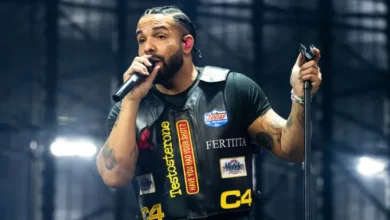
Don Toliver Submits Himself for Multiple Grammys, Including Best New Artist
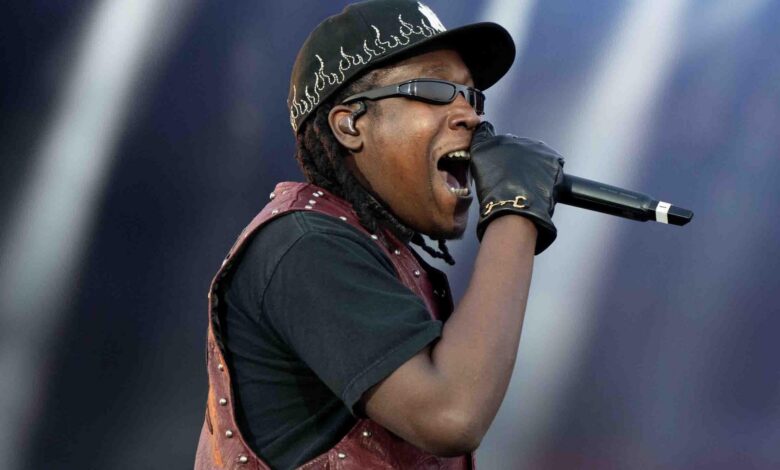
Don Toliver is entering Grammy season with ambitious plans after submitting his latest album, OCTANE, and several of its songs for consideration across multiple categories. The Houston artist has enjoyed a major period of growth, with OCTANE further establishing him as one of the prominent names in contemporary rap and melodic hip-hop. His Grammy submissions include some of the Recording Academy’s biggest categories, including Album of the Year, Record of the Year and Song of the Year. He is also seeking recognition in genre-specific categories such as Best Rap Album, Best Rap Song and Best Melodic Rap Performance. However, one submission has generated considerably more discussion than the others because Toliver has also entered himself for Best New Artist.
Toliver submitted OCTANE for Album of the Year and Best Rap Album, signaling that he believes the project deserves recognition beyond a genre-specific award. He also submitted “E85” for several categories, including Best Rap Song, Song of the Year, Record of the Year and Best Melodic Rap Performance. Another OCTANE track, “BODY,” was submitted for Best Rap Performance. These submissions cover a wide range of Grammy categories and reflect the different elements of Toliver’s music, from songwriting and performance to the overall album. Whether the Recording Academy ultimately selects any of these entries for nominations remains uncertain, since submissions are only part of the Grammy process.
The Best New Artist submission is the one that has caught the most attention because of Toliver’s established career. His first album, Donny Womack, arrived in 2018, placing him years beyond the point at which many listeners would normally consider an artist a newcomer. Around the same period, he gained much wider attention through his appearance on Travis Scott’s Astroworld. His feature on “Can’t Say” helped introduce Toliver to a much larger audience and became an important moment in his rise. Since then, he has released multiple projects and developed a substantial profile in hip-hop and popular music.
Toliver’s career did not stop after that early breakthrough. He has continued releasing albums, collaborating with major artists and performing at festivals while building a recognizable sound of his own. His music combines rap, R&B, melodic vocals and atmospheric production, which has helped him appeal to audiences beyond traditional rap circles. That development has made him a consistent presence in mainstream music rather than an artist who has only recently appeared on the scene. For that reason, his Best New Artist submission has naturally led to questions about whether the category fits his career timeline.
The Grammy Awards have a specific history when it comes to the Best New Artist category, and the term “new” does not always mean that an artist has literally just started making music. Eligibility depends on the Recording Academy’s rules and an artist’s particular circumstances, including previous recognition and releases. This has occasionally allowed performers with years of professional experience to compete for the award. The category has therefore produced situations in which an artist can appear established to the public while still being eligible under Grammy rules. That distinction is important when discussing Toliver’s submission because submitting for consideration does not mean that the Recording Academy has determined that he qualifies.
Victoria Monét provides a recent example of why the Best New Artist category can generate debate. Monét won the award after years of working in the music industry as a songwriter, performer and recording artist. Her victory demonstrated that industry experience alone does not necessarily prevent an artist from being considered for the category. The Grammy eligibility system can distinguish between an artist’s broader professional history and the specific requirements for Best New Artist consideration. Toliver’s situation therefore raises a legitimate question about how the category applies to established artists who experience a major breakthrough later in their careers.
At the same time, Toliver’s submission should not be confused with an actual Grammy nomination. Artists and their teams submit recordings and artists for consideration, but the Recording Academy ultimately determines which entries advance to the nomination stage. The submissions give voters material to consider, but they do not guarantee that an artist will appear on the final ballot. Toliver could receive recognition for OCTANE or one of its songs without receiving a Best New Artist nomination. He could also potentially receive no nominations at all, regardless of how many categories his team enters.
The other submissions make more straightforward sense within the context of Toliver’s current career. OCTANE being entered for Album of the Year and Best Rap Album reflects the scale of the project and its position in his recent catalog. “E85” receiving submissions across several categories reflects its potential as both a song and a performance. “BODY” being submitted for Best Rap Performance gives another track from the album an opportunity for consideration. These entries show that Toliver and his team are taking a broad approach to the Grammy process rather than relying on a single category or song.
The attention surrounding the Best New Artist submission also demonstrates how Grammy categories can shape conversations around an artist’s career. Toliver has spent years developing his profile, so the possibility of being considered a newcomer may seem unusual to fans who have followed him since the Donny Womack and Astroworld era. At the same time, Grammy eligibility is determined by rules that can differ from the way the public understands an artist’s career. The discussion does not necessarily determine whether Toliver is eligible, because that decision belongs to the Recording Academy. Until the official nominations are announced, the submission remains an entry for consideration rather than a confirmed place on the Grammy ballot.
OCTANE has nevertheless given Toliver a strong platform from which to pursue Grammy recognition. The project represents another stage in his evolution from a promising collaborator into a major solo artist with a substantial audience. His decision to submit the album and multiple songs across major categories shows confidence in the project’s artistic and commercial impact. The Best New Artist submission may be the most surprising part of the campaign, but it is only one element of a much broader Grammy push. The final outcome will depend on the Recording Academy’s eligibility decisions and voting process.
Don Toliver’s Grammy submissions have therefore created interest for two different reasons. His entries for Album of the Year, Best Rap Album, Best Rap Song, Song of the Year, Record of the Year, Best Melodic Rap Performance and Best Rap Performance reflect an artist seeking recognition across several areas of music. His Best New Artist submission is more complicated because his career stretches back to 2018 and includes significant releases and collaborations. Whether the Recording Academy considers him eligible for that category remains a matter for the official Grammy process. Regardless of the outcome, Toliver’s submissions show how far his career has progressed and how seriously he is positioning OCTANE for recognition during the upcoming awards season.