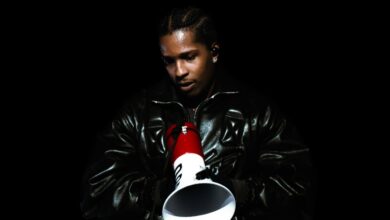
Dame Dash Explains Why His Feud With JAŸ-Z Began and Claims His Former Partner Wanted a Businessman Image
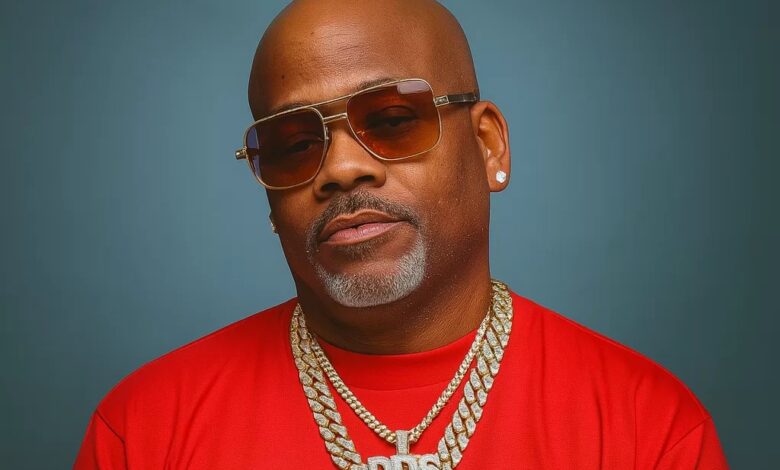
Dame Dash has offered another explanation for his long-running fallout with JAŸ-Z, claiming that their relationship deteriorated because the rapper wanted to establish himself as a businessman without having Dash by his side. The former Roc-A-Fella Records co-founder discussed their fractured relationship during a recent interview on the Quiet Part Out Loud show. According to Dash, the disagreement was about more than music or personal differences, as it also involved how JAŸ wanted the public to perceive his business career. Dash recalled an alleged conversation in which the rapper expressed a desire to be recognized as a businessman and suggested that Dash’s presence would make that difficult. The comments offer another glimpse into the conflict between two men who once worked together to build one of hip-hop’s most influential record labels. Despite their shared history, Dash’s latest remarks suggest that the tensions between them remain unresolved.
During the interview, Dash described a situation involving LA Reid, the former executive associated with Arista Records, that he believes illustrates the origins of the disagreement. Dash claimed Reid wanted to negotiate a direct business deal with him rather than with JAŸ-Z because the rapper was primarily viewed as an artist at the time. According to Dash, Reid wanted a businessman involved in the arrangement and contacted him about the opportunity. Dash recalled Reid telling him that JAŸ would not move forward with the deal if Dash remained involved. While Dash presented the incident as an important moment in their relationship, his account reflects his recollection of the conversation rather than an independently established explanation for the entire fallout. Nevertheless, the story helps explain why Dash believes the dispute was tied to JAŸ-Z’s ambitions beyond music.
Dash also recalled what he described as a direct statement from JAŸ-Z about his professional image. According to Dash, the rapper said he wanted to be known as a businessman and did not believe he could achieve that recognition with Dash standing beside him. Dash responded dismissively, arguing that he did not want to be associated with JAŸ in that way and questioning whether the rapper qualified as a businessman at the time. The exchange, as Dash remembers it, highlights the tension between their different views of their partnership. It also reflects the resentment that has continued to shape Dash’s public comments about his former collaborator. Although the two men helped establish a successful business relationship early in their careers, their later disagreement appears to have left lasting bitterness.
The issue of JAŸ-Z’s business image is particularly significant because of how his public identity has evolved over the years. He initially became famous as a rapper, earning recognition for his albums, songwriting and influence on the New York hip-hop scene. His work with Roc-A-Fella Records helped establish a foundation for his career, while his later ventures expanded his presence into other industries. Over time, he became known for investments, business partnerships and entertainment ventures that extended beyond recording music. His financial success has since become a major part of his public reputation. Dash’s latest comments revisit the earlier stages of that development and raise questions about how the former partners understood their respective roles while building the Roc-A-Fella brand.
Dash has also accused JAŸ-Z of relying on other people to help execute business decisions while positioning himself as the public face of those ventures. During the interview, he pointed to figures such as Steve Stoute, a music executive and entrepreneur who has worked across the entertainment and advertising industries. Dash’s argument is that JAŸ benefited from the work of experienced business figures while receiving much of the recognition associated with their collective efforts. However, these claims reflect Dash’s perspective and should not be treated as established facts about every business decision made by JAŸ-Z. Successful entertainment ventures often involve teams of executives, advisers, investors and creative professionals working behind the scenes. The disagreement appears to center partly on who deserves recognition for the business success that emerged from their earlier partnership.
The history between Dash and JAŸ-Z is closely connected to Roc-A-Fella Records, the label they co-founded with Kareem “Biggs” Burke in the 1990s. The company became an important force in hip-hop, helping establish JAŸ-Z as a major recording artist and building a roster that contributed to the label’s influence. Dash played a prominent role in the company’s business operations and promotion, while JAŸ-Z’s music helped drive its commercial profile. Their partnership combined artistic success with an entrepreneurial approach that helped Roc-A-Fella stand out in the industry. However, the relationship eventually broke down, and the former collaborators pursued different paths. Their competing accounts of the split have continued to attract attention because of the label’s legacy and the influence both men have had on hip-hop.
Dash’s continued willingness to discuss the fallout suggests that the disagreement remains a sensitive subject for him. Public comments about former business partners can reopen old disputes, particularly when they involve questions about credit, loyalty and financial ambition. Dash has repeatedly shared his perspective on the relationship, while the latest interview focuses on what he sees as JAŸ-Z’s desire to separate his business identity from their shared history. Such interviews can keep the story in the public conversation, but they do not necessarily bring the people involved closer to resolving their differences. Reconciliation would likely require both sides to address their competing interpretations of the past. For now, Dash’s comments indicate that he remains unhappy with how the partnership ended and how their respective roles have been remembered.
The disagreement also reflects a broader issue in the music industry, where artists often seek greater control over their careers and financial interests. Record labels can become major businesses, but the people involved may disagree over who should lead negotiations, represent the company or receive public recognition for its success. An artist who becomes an entrepreneur may want to develop an identity separate from the creative work that first brought fame. Business partners, meanwhile, may feel that their contributions to that growth deserve equal acknowledgment. These competing priorities can create tension even when a partnership has delivered major commercial results. Dash’s account of his relationship with JAŸ-Z illustrates how disagreements over professional identity and recognition can become intertwined with personal grievances.
For hip-hop fans, the continued tension between Dash and JAŸ-Z remains notable because their early partnership helped shape an important period in rap history. Their work at Roc-A-Fella demonstrated how artists and entrepreneurs could build a company around music while expanding its influence beyond individual albums. Their eventual split also showed how difficult it can be to separate personal relationships from shared business interests. Dash’s latest remarks bring those questions back into focus by emphasizing his belief that JAŸ-Z wanted to establish himself independently as a businessman. Whether the two men ever agree on what happened remains uncertain. Their different perspectives continue to shape how the story of Roc-A-Fella’s rise and their eventual fallout is discussed.
Dame Dash’s latest interview offers another account of why his relationship with JAŸ-Z deteriorated, with the former Roc-A-Fella executive arguing that the rapper wanted to build a business reputation without Dash beside him. His recollection of the alleged LA Reid conversation and his comments about Steve Stoute reinforce his belief that the recognition surrounding JAŸ-Z’s business career did not fully reflect the contributions of the people around him. Those claims remain Dash’s interpretation of events, and the full circumstances behind their split cannot be established from his comments alone. What is clear is that the fallout between the former partners continues to attract public interest years after their professional relationship ended. Unless both men become willing to address their differences directly, a resolution to their longstanding feud appears uncertain.