AZ Chike Explains How Kendrick Lamar’s Co-Sign Changed His Life And Career
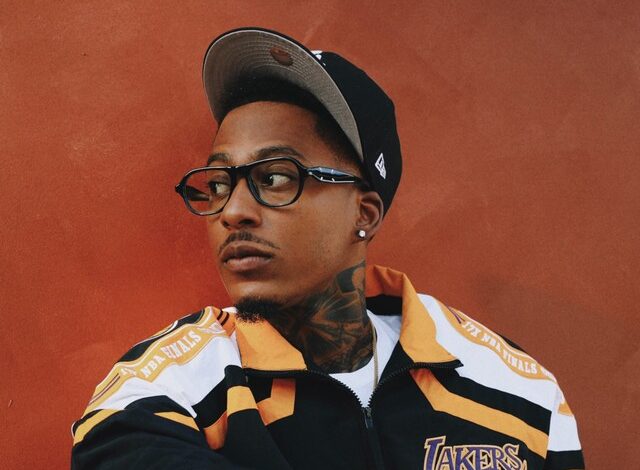
AZ Chike has opened up about the profound impact Kendrick Lamar has had on both his career and his personal growth. The West Coast rapper recently appeared on The Shop, where he discussed what Kendrick’s co-sign meant to him and how the experience forced him to reconsider his own identity as an artist. Kendrick Lamar’s decision to include AZ Chike on “Peekaboo” from GNX brought significant attention to the emerging rapper. That exposure helped create anticipation around Chike’s next major project, No Rest For The Wicked. However, Chike’s comments make it clear that Kendrick’s influence went far beyond increased visibility, as the co-sign pushed him to discover who he really was.
AZ Chike’s rise has been closely connected to the renewed attention surrounding West Coast hip-hop. His appearance on Kendrick Lamar’s GNX gave listeners who were unfamiliar with him an introduction to his distinctive style and presence. The collaboration also placed him alongside one of the most influential rappers of his generation. For an emerging artist, receiving that kind of recognition can dramatically change how audiences and the music industry view them. In Chike’s case, the opportunity arrived at a crucial point in his development and helped generate interest in what he would do next.
The Kendrick Lamar co-sign became particularly important ahead of the release of No Rest For The Wicked. Chike’s new album arrived as fans were paying close attention to his career following his appearance on GNX. Some listeners even expected Kendrick to appear on the project, creating speculation about a possible collaboration. When the album arrived without a Kendrick feature, some fans interpreted the situation as a missed opportunity or even believed Kendrick had failed to support Chike. Chike himself later clarified that there was never a Kendrick verse intended for the album, making it clear that the expectations surrounding the collaboration came from fans rather than an abandoned plan between the two artists.
That clarification is important because it puts the relationship between the two rappers into a different perspective. Kendrick’s support did not depend on appearing on every subsequent project Chike released. Instead, the initial co-sign had already given Chike something much more valuable than another guest verse. It introduced him to a wider audience while also challenging him to develop his own artistic identity. Chike’s appearance on “Peekaboo” therefore became part of a larger process in which he had to determine what he wanted his career to represent.
During his appearance on The Shop, Chike explained that an artist needs to understand who they are before they can successfully work alongside someone as established as Kendrick Lamar. He described the process as having to “destroy who I was and rebuild from there.” His comments suggest that the co-sign did not simply make him more confident. Instead, it forced him to confront questions about his identity, his music and the person he wanted to become. That kind of self-examination can be difficult, especially when an emerging artist suddenly receives attention from a global superstar.
Chike also explained that the experience taught him an important lesson about authenticity. He said that you have to know who you are before you interact with people at Kendrick’s level because they can recognize when something is not genuine. That observation speaks to the pressure that comes with entering a much larger spotlight. Once a respected artist gives you an opportunity, audiences begin examining everything you do. Chike appears to have recognized that he could not simply rely on Kendrick’s reputation to establish himself, and instead had to build an identity of his own.
The significance of Kendrick Lamar’s support is especially clear when considering his influence within hip-hop. Kendrick has spent years establishing himself as a major figure in rap while maintaining a strong connection to the culture and artistic traditions of the West Coast. His endorsement can attract attention to artists who may not yet have the same level of exposure. That does not guarantee long-term success, however, because the artist receiving the opportunity still has to deliver. Chike’s comments indicate that he understood this distinction and used the attention as motivation to continue developing himself.
The “Peekaboo” collaboration also gave Chike an opportunity to introduce himself to Kendrick’s audience on a major release. Being featured on GNX placed his voice and style within a project that received considerable attention across hip-hop. For an emerging rapper, that type of exposure can create new listeners and increase interest in future releases. It can also bring pressure because people may immediately compare the artist with the established star who introduced them. Chike’s response has been to focus on defining himself rather than allowing the Kendrick association to become his entire identity.
That approach matters as Chike continues to build his own catalog. No Rest For The Wicked represents an opportunity to show listeners what he can accomplish without depending on a Kendrick Lamar feature. The album carries expectations precisely because of the attention generated by GNX. Instead of treating that attention as a substitute for his own artistry, Chike appears to be using it as a starting point. His comments about rebuilding himself suggest that he understands the importance of turning a major opportunity into sustainable progress.
There is also a broader lesson in Chike’s experience for emerging artists. A powerful co-sign can open doors, but it cannot determine who an artist ultimately becomes. Exposure can create opportunities, but authenticity, consistency and individual identity help determine whether audiences remain interested. Chike’s story shows that receiving support from a major artist can sometimes create its own form of pressure. The challenge is to benefit from the opportunity without becoming dependent on the person who provided it.
Kendrick’s decision to work with Chike also demonstrates how established artists can influence the next generation of West Coast rap. A single collaboration can introduce a developing artist to millions of listeners who may never have encountered their music otherwise. That kind of platform can have a lasting effect when the artist uses it to build a distinct career. Chike’s continued visibility following GNX suggests that the opportunity created meaningful momentum. His own development will ultimately determine how far that momentum takes him.
The speculation surrounding a Kendrick Lamar feature on No Rest For The Wicked also shows how quickly fan expectations can grow after a major collaboration. Once listeners see two artists work together successfully, they may naturally expect the partnership to continue. In this case, the absence of Kendrick on the album led some fans to question whether Chike had received enough support. Chike’s own explanation makes the situation much simpler because there was no Kendrick verse that was removed or withheld. His focus remains on the music he created and the identity he has worked to establish.
AZ Chike’s appearance on The Shop offers a deeper understanding of why Kendrick Lamar’s co-sign matters to him. The most significant effect was not simply the attention that came from appearing on GNX. Chike believes the experience forced him to examine himself, break away from an earlier version of who he was and rebuild his identity as an artist. That process helped him understand the importance of authenticity while navigating a much larger stage. As he continues promoting No Rest For The Wicked and developing his career, the influence of Kendrick Lamar will remain an important part of his story, but Chike is clearly determined to make his own name.