
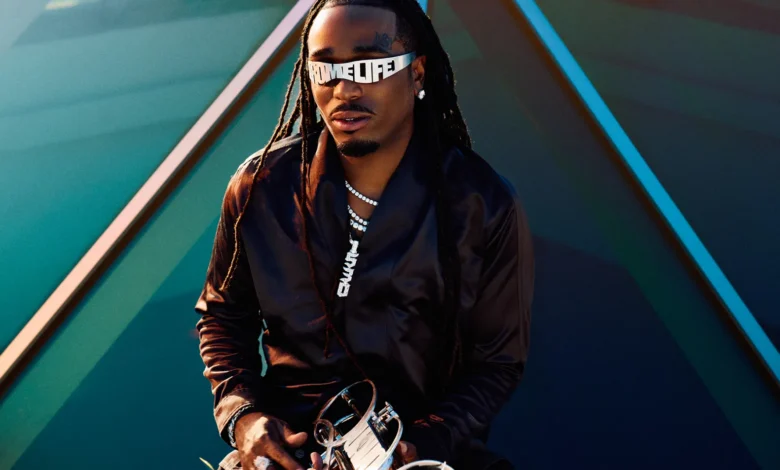
Quavo’s new album QRÖMELIFE has arrived with significant attention, but the project is facing an early commercial setback as criticism continues to spread online. The album has received some positive reactions, yet a portion of listeners have questioned its production, overall direction and ability to match the standard associated with Quavo’s career. Production from Pharrell has become one of the main talking points, with some listeners arguing that certain beats sound more like commercial jingles than polished hip-hop records. That criticism has created an awkward situation for an artist whose name remains closely connected to one of hip-hop’s most successful groups, Migos. Now, early first-week sales projections suggest that the lukewarm reception could be translating into limited commercial momentum for QRÖMELIFE.
According to projections reported by Kurrco, QRÖMELIFE is expected to move around 13,000 units in its first week. If that projection holds, Quavo could struggle to enter the Billboard 200 top 10, which would represent a relatively modest performance for an established artist with Quavo’s profile. First-week album sales can change before final numbers are published, so the projection should not be treated as the final result. Still, the early figure provides an indication that QRÖMELIFE has not generated the level of consumer interest that some might have expected from a former Migos member. The situation is particularly notable because Quavo has spent years building a recognizable solo identity beyond the group.
The criticism surrounding QRÖMELIFE has focused heavily on its production. Pharrell’s involvement initially gave the album an additional layer of anticipation because of his long history of influential work across hip-hop and popular music. Instead, some listeners have reacted negatively to the sound, comparing parts of the production to DoorDash commercial jingles. That comparison has circulated online because it captures the perception that certain beats lack the weight, energy or atmosphere expected from a major hip-hop release. Music remains subjective, however, and harsh online reactions do not necessarily represent every listener’s opinion. Quavo has still received positive feedback from people who appreciate the album’s style and creative choices.
The larger question concerns why the project has struggled to create stronger excitement. Quavo remains a recognizable name, but recognition does not automatically translate into album sales. Streaming audiences have more music available to them than ever, and artists increasingly need strong singles, collaborations, promotion and sustained fan engagement to turn attention into significant first-week numbers. A project can also receive considerable discussion online without generating enough streams and purchases to produce a strong chart debut. In QRÖMELIFE’s case, the available projection suggests that online conversation has not yet translated into the commercial response Quavo would have wanted.
Quavo’s history with Migos makes the situation more significant. Alongside Offset and Takeoff, Quavo helped establish Migos as one of the defining rap groups of the 2010s and early 2020s. The group produced major hits and helped popularize a distinctive Atlanta sound that influenced a wide range of artists. Quavo later continued his career as a solo artist, releasing music that allowed him to develop beyond the group’s identity. That history creates a higher commercial expectation than the 13,000-unit projection suggests. At the same time, comparing every solo release directly with Migos’ biggest achievements can overlook the different circumstances surrounding the modern music market.
It would also be premature to blame the result entirely on a broader decline in hip-hop. The genre continues to produce commercially successful albums and songs, while major artists can still attract substantial streaming numbers when a release captures public attention. A weaker debut can result from many factors, including the album’s marketing campaign, release timing, available collaborations, listener expectations and the strength of its singles. The response to QRÖMELIFE may therefore say more about this particular release than about the entire hip-hop industry. More importantly, final Billboard numbers will provide a clearer picture than an early projection.
The timing of other releases could also make Quavo’s commercial performance more interesting to follow. Drake is reportedly generating strong numbers with HABIBTI (FOMO), despite the project containing only four songs, highlighting how much demand can still exist for a major artist when a release captures the attention of listeners. The contrast with QRÖMELIFE makes Quavo’s projected sales figure stand out even more. However, Drake and Quavo occupy different positions in the current music market, so their numbers do not provide a perfect comparison. The comparison does show that short projects can still perform strongly when an artist has enough audience demand and cultural momentum.
Quavo’s future plans could give him another opportunity to reconnect with listeners. Projects involving Takeoff and Migos have been discussed as part of his future musical direction, and those releases could carry considerable emotional and commercial interest because of Migos’ legacy. A project connected to Takeoff could appeal strongly to longtime fans who remain invested in the group’s history. A full Migos project would also attract attention simply because of the group’s impact on modern rap. Whether those plans translate into major sales will depend on the music itself, the circumstances surrounding each release and the level of promotion behind them.
Offset’s next album adds another layer to the conversation. He is set to release a new album on October 23, creating an unavoidable opportunity for listeners and observers to compare the solo performances of two former Migos members. Quavo and Offset have taken different approaches to their solo careers, and their individual releases have developed distinct identities. Sales comparisons can be useful when examining audience interest, but they should not become the only measure of an artist’s success. Artistic reception, streaming longevity, touring demand and cultural impact can all tell a broader story than first-week units alone.
For now, QRÖMELIFE appears to be facing a difficult start rather than an irreversible failure. The projected 13,000 first-week units are a concern, particularly given Quavo’s established status and his history with Migos. The criticism of Pharrell’s production and the broader debate over the album’s sound may have contributed to a lack of enthusiasm, but there is not enough evidence to identify one definitive cause for the projected sales. Final chart numbers could differ from the early estimate, and the album still has time to find a larger audience through continued streaming and word of mouth. Quavo’s next moves will likely matter more than one opening-week figure.
QRÖMELIFE ultimately highlights the challenge established rappers face when they move forward without the same momentum that once surrounded their biggest work. Quavo has the name recognition, catalog and history to remain an important figure in hip-hop, but those advantages do not guarantee strong album sales. The response to QRÖMELIFE shows that listeners still expect compelling production and a clear creative identity from an artist at his level. Whether the album becomes a commercial disappointment or gradually builds a stronger audience will depend on how it performs beyond its first week. For Quavo, the coming releases with Takeoff and Migos could provide an important opportunity to reignite interest and remind listeners why his contribution to the genre has mattered.