The Game Explains His Kendrick Lamar References on The Documentary III

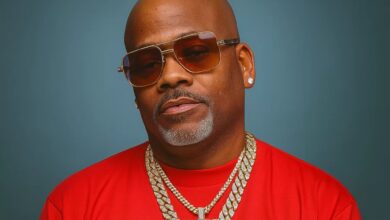
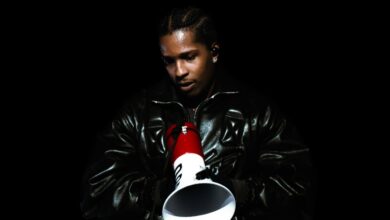
The Game and Kendrick Lamar share more than a hometown, as both rappers have played major roles in the story of Compton hip-hop. Their careers have developed in different ways, but comparisons between the two artists have remained common among fans and within the wider rap community. That connection became a fresh topic of discussion after The Game referenced Kendrick several times on The Documentary III. Some listeners interpreted the lyrics as signs of tension between the two Compton artists, particularly because of The Game’s continued friendship with Drake. The Game, however, has repeatedly rejected the idea that his Kendrick Lamar references were intended as attacks or evidence of a personal feud.
One of the clearest references appears on “Love It Or Hate It,” where The Game reflects on his own rise and Kendrick’s emergence from the same Los Angeles community. He raps, “When the Doc came out, I brought my city a ring / Then Dot came out, ‘Lil’ homie, go do your thing’ / ‘Cause my Glock laid out for everything in between.” The lyrics place The Game’s arrival and Kendrick’s rise within the same Compton timeline. Rather than simply mentioning Kendrick as another rapper, The Game presents him as someone he recognized as a serious talent early in his career. The reference also reinforces the long-running connection between The Game’s legacy and Kendrick Lamar’s place in Compton hip-hop.
The Game recently explained the meaning behind the Kendrick Lamar reference during a conversation with Genius. He said that the first time he heard Kendrick rap, he immediately recognized the young artist’s potential to become one of the greats. He also believed that some listeners could misunderstand Kendrick’s goals and underestimate how dangerous he could be as a lyricist and MC. According to The Game, his preference was for Kendrick to receive the recognition he deserved rather than face unnecessary limitations. He said Kendrick understood what he wanted and took advantage of the opportunities that came his way.
The comments are significant because speculation about The Game and Kendrick Lamar has increased since Kendrick’s highly publicized feud with Drake. The Game has maintained his relationship with Drake, and that position has caused some fans to question where he stands with Kendrick. The Game’s continued support for Drake has sometimes been interpreted as evidence that he might also have an issue with Kendrick. However, his public comments have consistently pushed back against that interpretation. He has made it clear that maintaining a friendship with Drake does not automatically mean that he has a problem with Kendrick Lamar.
The situation became more complicated because The Game referenced Kendrick more than once on The Documentary III. Multiple mentions naturally attracted attention from listeners who were already aware of the tension surrounding Kendrick and Drake. In that environment, even a seemingly positive reference can be examined for hidden meaning or interpreted through the lens of an existing rap rivalry. Fans have therefore debated whether The Game was simply reflecting on Kendrick’s career or attempting to send a message. The Game’s own explanation points toward admiration and recognition rather than an attempt to provoke Kendrick.
The history between The Game and Kendrick also makes the references more interesting. Both artists are closely associated with Compton, but they entered the mainstream at different points and built distinct identities within hip-hop. The Game established himself as a major West Coast rapper with the release of The Documentary, while Kendrick later became one of the most acclaimed lyricists of his generation. The Game’s lyrics connect those different periods by portraying Kendrick’s emergence as part of the continuing development of Compton’s rap tradition. That perspective gives his Kendrick Lamar references a broader meaning beyond the current arguments involving Drake.
The title The Documentary III itself adds another layer to the discussion because the project continues a series closely tied to The Game’s career and his place in West Coast rap. His decision to mention Kendrick on the album naturally invited listeners to consider how the younger rapper fits into that legacy. The Game’s comments suggest that he sees Kendrick as an artist who successfully created his own path rather than someone competing for the same position. His praise focuses on Kendrick’s lyrical ability, ambition and willingness to take opportunities. That description is consistent with the way Kendrick’s career has developed since his early days as a rising Compton MC.
Some fan reactions have still placed The Game’s comments under greater scrutiny because of his relationship with Drake. The Kendrick Lamar and Drake feud changed the way many listeners interpreted statements from artists connected to either rapper. The Game’s refusal to abandon Drake created a situation in which his comments about Kendrick could easily be viewed as taking sides. That does not necessarily reflect what The Game intended when he wrote or discussed his lyrics. His repeated denials of a Kendrick feud indicate that he does not want his relationship with Drake to be treated as proof of hostility toward Kendrick.
The Game’s explanation also highlights an important distinction between supporting one artist and opposing another. Hip-hop relationships often involve friendships, collaborations and professional connections that do not fit neatly into the rivalries created by fans. An artist can maintain a relationship with Drake while respecting Kendrick’s abilities and accomplishments. The Game’s comments about Kendrick’s early potential provide a direct example of that distinction. His perspective suggests that the references on The Documentary III should be understood within his own history with Compton and his respect for Kendrick’s career rather than automatically treated as diss records.
Ultimately, The Game’s Kendrick Lamar references on The Documentary III have generated attention because they sit at the intersection of Compton history, rap competition and the fallout from the Drake and Kendrick Lamar feud. The lyrics may have caused some fans to speculate about tension, but The Game’s own explanation offers a different interpretation. He describes Kendrick as an artist whose talent was obvious from the beginning and whose ambition allowed him to reach the level he was capable of reaching. His friendship with Drake remains a separate issue from his stated respect for Kendrick. For now, the available comments from The Game point toward recognition of Kendrick Lamar’s achievements rather than a hidden Compton feud between two artists with very different but connected legacies.