Meek Mill Questions OTF Jam’s Credibility After Violent Crime Testimony In Lil Durk Trial
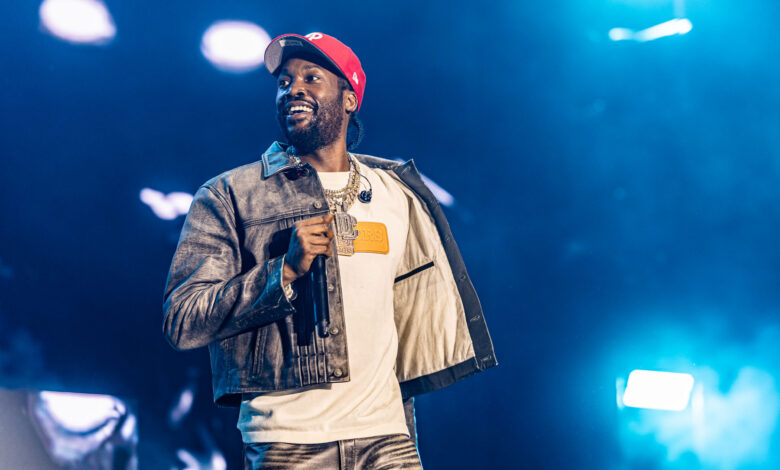
Meek Mill has publicly questioned the credibility of one of the prosecution’s key witnesses in Lil Durk’s federal trial after OTF Jam admitted to his own history of violent crimes while implicating the rapper in an alleged plot targeting Quando Rondo. The Philadelphia rapper reacted to testimony from Jam, whose real name is Kacey Hester, after the witness spent two days describing his involvement in criminal activity and his relationship with Durk. Meek argued that Jam’s past should make jurors skeptical of his claims, particularly because he is cooperating with federal prosecutors. His comments add another layer to an already closely watched trial involving allegations of retaliation, murder-for-hire and gang-related violence. While Meek’s remarks do not carry legal weight in court, they reflect the wider debate surrounding the credibility of witnesses who have admitted criminal conduct and agreed to testify for the government.
Meek directly addressed Jam’s testimony in a post on X, arguing that the witness has a history that should make people question his reliability. “Jam was killing his community and robbing at will,” Meek wrote before describing him as “the definition of a heathen” and stating that he would not believe what Jam says. The rapper also appeared to question how Jam could cooperate against someone for whom he claims to still have strong feelings. His comments came shortly after Jam told jurors that he still has “a lot of love” for Durk and feels bad about testifying against him. The combination of Jam’s emotional statements about Durk and his admissions about his own criminal past has made his testimony a major focus of the proceedings.
Jam’s testimony has presented jurors with a complicated picture of a witness who is not claiming to have been an innocent bystander. He acknowledged his involvement in violent criminal activity and pleaded guilty in connection with the August 2022 attack that resulted in the death of Saviay’a “Lul Pab” Robinson. Robinson was the cousin of Quando Rondo and was killed during the shooting in Los Angeles, while Quando survived the attack. Prosecutors allege that the shooting was part of a broader effort to retaliate against Quando following the 2020 killing of King Von, a close associate of Durk. Jam told the jury that Durk participated in the alleged plan and wanted retaliation following Von’s death, allegations that Durk has denied through his not-guilty plea.
The circumstances surrounding Jam’s cooperation are also important to understanding why his credibility has become such a significant issue. According to his testimony, he began cooperating with authorities after being arrested on a gun charge in 2023 and subsequently contacted investigators with information about murders. His decision to provide information eventually placed him in the position of testifying against Durk, despite his admission that he still has feelings of loyalty toward the rapper. Jam reportedly told the court that he knew Durk probably hated him because of his decision to cooperate. He also said that he no longer respected Durk, creating a complicated account of a relationship that appears to have changed significantly after his cooperation with authorities.
The defense is expected to use Jam’s criminal history and cooperation agreement to challenge the reliability of his evidence. Witnesses who have pleaded guilty to crimes and then agreed to testify for prosecutors can face intense questioning about their motivations, particularly when their cooperation could influence how authorities treat their own legal situations. In Durk’s case, the defense has argued that cooperating witnesses have strong reasons to shift responsibility toward the rapper. During opening statements, Durk’s lawyers reportedly maintained that he had no involvement in the alleged shooting and accused another cooperating witness, Kavon “OTF Vonnie” Grant, of organizing the plot himself. Jam, Grant and Keith Jones have all pleaded guilty and agreed to testify for the prosecution, making their accounts central to the government’s case.
The prosecution, however, is relying on these witnesses to provide jurors with an inside account of the alleged conspiracy. Their criminal backgrounds do not automatically make their testimony false, but the defense can argue that their past conduct and cooperation agreements give jurors reasons to examine their statements carefully. Prosecutors will likely attempt to establish that the witnesses have firsthand knowledge of the events and that their testimony is supported by other evidence presented during the trial. The jury will ultimately have to determine which parts of the witnesses’ accounts are credible and whether the government has provided enough evidence to prove its allegations beyond a reasonable doubt. This makes the credibility battle surrounding Jam particularly important as the trial continues.
Meek Mill’s comments also highlight how closely the case is being followed outside the courtroom. The Philadelphia rapper has previously spoken publicly about criminal justice issues and has maintained an interest in cases involving artists and alleged misconduct within the music industry. His decision to criticize Jam shows how testimony from cooperating witnesses can generate strong reactions among people familiar with the relationships surrounding the artists involved. However, public commentary cannot replace the legal process, and Meek’s assessment is separate from the evidence and arguments that jurors are considering. The court must ultimately rely on testimony, documents, recordings and other admissible evidence rather than opinions expressed on social media.
Jam’s statement that he still has “a lot of love” for Durk could also become significant as both sides attempt to explain his motivations. The prosecution can argue that his willingness to testify despite those feelings demonstrates that he is telling the truth about what he knows. The defense can take the opposite position and suggest that his changing relationship with Durk, combined with his own legal problems, creates reasons to question his account. His admission that he feels bad about testifying may give jurors additional context about the personal stakes involved. At the same time, his acknowledgement that he no longer respects Durk could provide the defense with another avenue to explore whether resentment or other factors influenced his testimony.
The allegations against Lil Durk remain serious, with prosecutors claiming that he financed an attempt on Quando Rondo’s life as retaliation for King Von’s killing. The alleged shooting did not kill Quando, but it resulted in the death of Robinson, adding a tragic dimension to the case. Durk has pleaded not guilty and his defense has rejected the prosecution’s characterization of his alleged involvement. The defense continues to challenge the accounts of cooperating witnesses, arguing that they have incentives to protect themselves by placing responsibility on Durk. As the trial develops, jurors will have to separate allegations from proven facts and assess every witness according to the evidence presented in court.
The dispute over OTF Jam’s credibility is therefore likely to remain one of the most important issues in Lil Durk’s federal trial. His admissions about his own criminal conduct give the defense substantial material to use when challenging his testimony, while prosecutors will have an opportunity to explain why his evidence should still be trusted. Meek Mill’s criticism has amplified that credibility debate beyond the courtroom, but his opinion does not determine whether Jam’s testimony is accepted by the jury. The central question remains whether the government can corroborate the cooperating witnesses and establish Durk’s alleged role in the shooting beyond a reasonable doubt. As testimony continues, the jury’s assessment of Jam’s reliability could become a crucial factor in determining how they view the prosecution’s broader case against Lil Durk.