The Game Explains Why He Did Not Appear At Kendrick Lamar’s The Pop Out
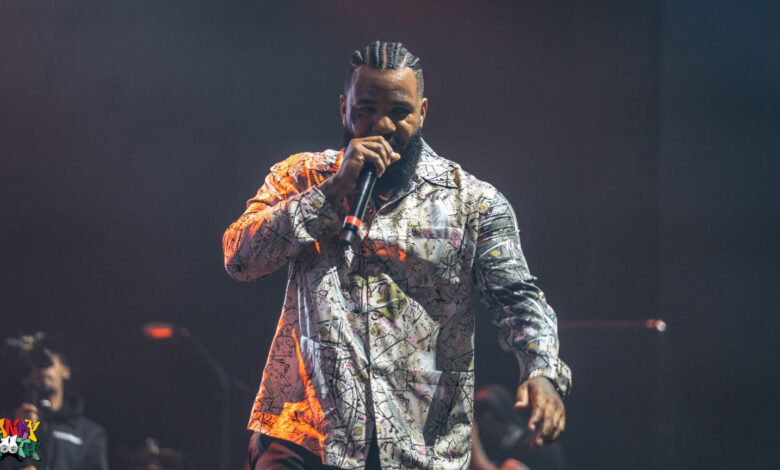
The Game has offered more insight into why he did not appear at Kendrick Lamar’s iconic The Pop Out concert, addressing questions about his position within Los Angeles hip-hop and his relationships with both Kendrick Lamar and Drake. The rapper has faced continued speculation over where he stands amid the highly publicised Drake and Kendrick Lamar feud, particularly because of his history with both artists. His absence from the June 2024 concert became another talking point among fans who expected the Los Angeles rap veteran to potentially join Kendrick and other West Coast artists on stage. In a recent conversation with Big Boy, The Game explained that the situation was more complicated than simply choosing one rapper over another. His comments provide additional context about the intersection between Los Angeles rap culture, personal relationships and gang affiliations.
The Game has maintained that he does not necessarily see himself as someone who is intentionally creating drama around his relationship with Kendrick. During the interview, he discussed the narratives that have developed around him and the Compton rapper, particularly as he has publicly shown support for Drake at different points. The Game argued that people often focus on his willingness to speak openly while overlooking what others may know or discuss privately. He suggested that he has been one of the few people willing to address tensions publicly while others have remained quiet. Rather than encouraging conflict, he said he would prefer to prevent disagreements from escalating into something more serious.
That position appears to be important when considering The Game’s explanation of his absence from The Pop Out. The concert, formally known as The Pop Out: Ken & Friends, became one of the biggest celebrations of Los Angeles hip-hop in recent years, with Kendrick bringing together a wide range of artists from the region. The event featured numerous prominent West Coast performers and became particularly significant because it took place shortly after Kendrick’s public feud with Drake. For many fans, The Game’s absence raised questions because of his status as one of Los Angeles’ most recognisable rappers and his long history within the city’s hip-hop community. According to The Game, however, his gang affiliations created complications that made his attendance difficult.
The Game explained that his connections to different parts of Los Angeles affected whether he could comfortably participate in the event. His comments point to a reality that exists beyond music, where longstanding neighbourhood relationships and affiliations can influence how artists move through the city. The rapper has previously spoken about his experiences with gang culture and how those associations have shaped his life and career. While The Pop Out was presented as a celebration of Los Angeles unity, The Game indicated that appearing alongside certain people could have created tensions because of affiliations that extend beyond the music industry. His explanation therefore suggests that his absence was not necessarily a simple statement about his personal relationship with Kendrick.
The rapper also discussed the difficult position created by his relationships with both Drake and Kendrick. The Game said he can get Drake on the phone but cannot necessarily do the same with other people involved in the conflict. That comment illustrates why he may view himself as being caught between different sides of a dispute involving artists he has connections with. Instead of presenting himself as an enemy of either rapper, he appeared to frame his role as someone who would rather communicate directly and prevent disagreements from becoming more dangerous. His remarks also reinforce his claim that there is considerably more happening behind the scenes than the public sees.
The Game’s comments about communication are particularly significant because he described his efforts as an attempt to keep situations from going too far. He referenced the deaths of Nipsey Hussle and Tupac Shakur while discussing the consequences that can emerge when tensions within the hip-hop and street communities escalate. Although he acknowledged that the current situation is not necessarily comparable to those tragedies, he used their deaths to explain why he takes potential conflict seriously. His emphasis appeared to be on preventing disputes from moving beyond music and personal disagreements. For The Game, maintaining communication can serve as a way of reducing the possibility that a rap feud develops into something more dangerous.
His comments also help explain why he has continued to discuss the Drake and Kendrick situation despite the criticism that can come with taking a public position. The Game has a long history with both Los Angeles rap culture and the broader mainstream hip-hop industry, giving him a perspective that differs from artists who became prominent more recently. His relationships with various rappers have also placed him in situations where taking sides can carry consequences beyond music. By acknowledging those complications, he has suggested that his decisions cannot always be understood simply through the lens of rap beef. The absence from The Pop Out therefore needs to be considered alongside his personal relationships, history and affiliations.
The Pop Out itself remains an important moment in Kendrick Lamar’s career and in the history of modern Los Angeles hip-hop. The concert brought together artists from different generations and scenes and provided Kendrick with an opportunity to celebrate his city following one of the biggest rap battles of his career. The event also became notable for the sense of unity displayed by many performers who joined him on stage. For fans familiar with Los Angeles hip-hop history, the lineup carried additional significance because of the relationships and rivalries connecting many of the artists. The Game’s absence naturally attracted attention because of his own prominent place within that history.
At the same time, The Game’s explanation challenges the assumption that his absence automatically represented hostility toward Kendrick. His comments indicate that external factors influenced his decision and that he was conscious of how his presence could affect the dynamics surrounding the event. That distinction matters because artists can maintain complicated relationships without necessarily turning every disagreement into a public feud. The Game has also made it clear that he does not want conflicts to reach a point where people are seriously harmed. His focus on communication suggests that he views his position as one where he can potentially help reduce tensions rather than increase them.
The Game’s latest remarks provide a clearer picture of why he did not appear at The Pop Out and why his relationship with Kendrick Lamar continues to attract speculation. His explanation centres on his gang affiliations, his connections across Los Angeles and his relationships with both Kendrick and Drake. Rather than describing his absence as a simple personal decision, he presented it as the result of circumstances that extend beyond the stage and into the complicated social dynamics surrounding Los Angeles hip-hop. His comments also show that he remains conscious of the potential consequences when music rivalries intersect with longstanding personal and street relationships. Ultimately, The Game appears to be saying that his decision not to attend The Pop Out was about navigating those realities, while his broader goal remains keeping conflicts from escalating beyond music.