LL Cool J Warns That Chasing Viral Moments Is Hurting Creativity in Hip-Hop
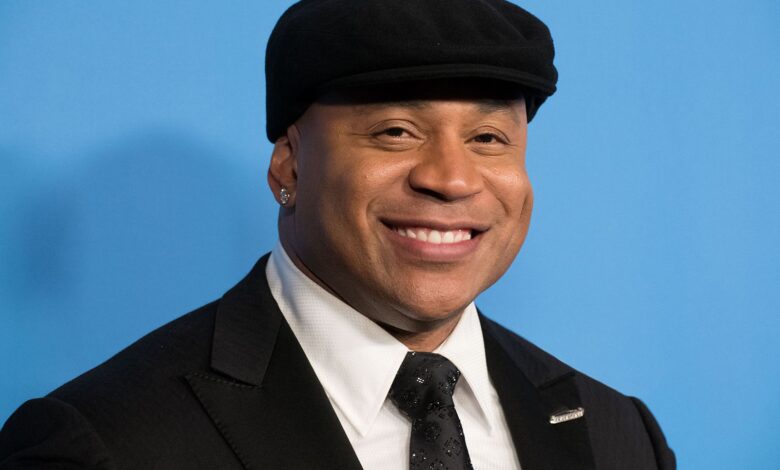
LL Cool J believes hip-hop artists risk losing their creative identity by focusing too heavily on streaming numbers, social media engagement and viral moments. The veteran rapper argues that music should be judged by its ability to connect with listeners rather than by how many views, likes or streams it generates. His comments come at a time when social media platforms play a major role in how artists promote new releases, build audiences and attract attention from record labels. While online popularity can help introduce emerging rappers to millions of potential fans, LL believes the industry’s growing reliance on data can distract artists from making meaningful music. During an October 16 appearance on Carmelo Anthony’s 7PM in Brooklyn podcast, he discussed the pressure to create songs that perform well online and encouraged musicians to focus on developing their craft instead.
LL Cool J’s criticism highlights a growing debate about the relationship between social media and creativity in modern hip-hop. Platforms such as TikTok, Instagram and YouTube have changed how audiences discover music, allowing songs to gain attention through short clips, dance challenges and viral trends. For emerging artists, this can create valuable opportunities to reach listeners without depending entirely on traditional radio promotion or major record labels. However, the same system can encourage musicians to prioritize the parts of a song most likely to generate quick reactions online. A memorable hook or a few seconds of catchy lyrics may attract millions of views, but that does not necessarily mean listeners will return to the full song or develop a lasting connection with the artist. LL’s concern is that the pursuit of immediate attention can begin to influence the music itself.
During his conversation with Carmelo Anthony, LL praised the talent emerging from today’s hip-hop scene but questioned an industry in which data increasingly determines creative decisions. He expressed concern about what happens when streaming statistics, engagement rates and other performance measures become the main factors guiding artists and music executives. These figures can provide useful information about audience behavior, but they cannot fully explain why a particular song matters to someone. A track might have modest streaming numbers while holding deep personal meaning for the people who discover it. Another song might spread rapidly online without creating much interest beyond its initial viral moment. LL’s argument is that music should leave room for emotional connection, artistic growth and originality rather than being shaped entirely around measurable performance.
The rapper also warned against creating music primarily to produce a memorable social media caption or a short clip that audiences can share. In today’s digital environment, artists often face pressure to make their releases immediately recognizable and easy to promote. A catchy opening line, a brief danceable section or a quotable lyric can help a song stand out in crowded online feeds. Those elements can be effective when they emerge naturally from the music, but they may limit creativity when artists design entire records around the possibility of going viral. LL believes musicians should focus on what makes a song genuinely memorable instead of assuming that online attention automatically reflects its artistic value. His position does not dismiss social media as a promotional tool, but it challenges the idea that virality should become the main goal of making music.
LL used professional basketball to explain why statistics cannot tell the whole story about performance. In sports, points, rebounds and assists provide important information, yet they do not capture every contribution a player makes to a team’s success. Defense, leadership, decision-making and the ability to create opportunities for teammates can influence a game without appearing fully in a basic statistical summary. LL applied the same principle to hip-hop, arguing that an artist’s value should not be reduced to streaming totals or online engagement. A rapper may demonstrate originality, strong storytelling or impressive technical ability without immediately attracting a large audience. By comparing music to basketball, he emphasized the difference between measuring visible results and understanding the full value of a person’s contribution.
His comments also reflect the challenges artists face when their work does not receive immediate recognition. In an industry where new releases compete for attention every day, a song that fails to gain traction quickly can leave musicians questioning their direction. Artists may respond by changing their sound, copying a popular trend or releasing more material in an attempt to improve their numbers. LL encouraged rappers to resist that pressure and continue working on their craft instead of abandoning their artistic instincts after one disappointing release. His advice was straightforward: “Make another good song.” The message places consistency and improvement ahead of short-term popularity, suggesting that a lasting career requires patience as well as talent.
That approach can be difficult to maintain in a business where commercial performance affects marketing budgets, touring opportunities and industry attention. Record labels use streaming data and social media engagement to evaluate potential investments, while independent artists often rely on the same numbers to decide how to spend limited promotional resources. These measurements can help musicians understand where their audiences are and which releases are attracting interest. Problems can arise when the numbers become the only measures of success, leaving little room for experimentation or slower forms of artistic development. An artist who takes a creative risk may need time to find the right audience, while a song designed to follow an existing trend might attract immediate attention. LL’s perspective encourages artists and industry professionals to recognize the difference between short-term visibility and long-term artistic value.
His advice carries particular weight because he has experienced the challenge of maintaining a creative career over several decades. LL Cool J first rose to prominence in the 1980s and became one of hip-hop’s most recognizable performers through a combination of confident rap delivery, memorable records and continued work across entertainment. His career has included changes in musical styles, shifts in audience expectations and major developments in how the industry distributes music. Despite his established reputation, he has not suggested that longevity eliminates the need for improvement. Instead, his recent comments show that he continues to view songwriting as a skill that requires attention and honest self-evaluation. His experience offers a different perspective from artists who may feel that every release needs to become an immediate online success.
That lesson became particularly clear while LL was working on his 2024 album, The FORCE. After an extended period away from releasing a full-length solo project, he returned to the studio with the challenge of creating music that met his own expectations. He acknowledged that some of his early songwriting was not delivering the results he wanted. Rather than relying on his name or settling for material he considered inadequate, he sought help from producer Q-Tip. The decision reflected a willingness to reassess his approach and push himself creatively, even after decades of success. His experience demonstrates that artistic development does not stop once a musician becomes established, and that a willingness to improve can matter more than the comfort of repeating a familiar formula.
Q-Tip’s involvement played an important role in shaping The FORCE, with LL handing him production duties for the entire album. The partnership gave LL an opportunity to approach the project from a different perspective instead of simply recreating the sound of his earlier work. He explained that he was not trying to follow trends or recapture his previous achievements, but wanted to create music that felt right for him at that stage of his career. That distinction is central to his criticism of an industry driven by online metrics. Artists can learn from contemporary sounds without allowing trends to dictate every creative decision. By choosing collaboration and renewed effort over familiarity, LL demonstrated the kind of process he now encourages other rappers to embrace.
LL’s description of the experience as essentially learning how to rap again also offers an important lesson about creative confidence. Even experienced musicians can reach a point where their usual methods no longer produce the results they want. Recognizing that problem requires honesty, while addressing it demands patience, practice and a willingness to accept outside input. For younger rappers, the pressure to maintain relevance can make such reflection difficult, especially when online audiences react quickly to every release. However, LL’s example suggests that stepping back to improve the music can be more productive than immediately chasing whatever sound is trending. His career shows that artistic identity can evolve without requiring an artist to abandon the qualities that made their work distinctive.
The wider hip-hop industry now operates in a landscape where artists can monitor their performance almost immediately after releasing a song. Streaming dashboards, social media analytics and audience engagement tools can reveal which tracks are gaining attention and where listeners are discovering them. This information can support better decisions about promotion, touring and future releases. Yet the constant availability of these measurements can also create pressure to judge every creative decision before a song has had enough time to find its audience. Some records grow through repeated listening, word of mouth or a gradual appreciation of their lyrics and production. LL’s message is a reminder that artists can use data to understand their audiences without allowing it to replace their own judgment.
His comments do not mean that commercial success and artistic quality must always be in conflict. Many successful hip-hop records combine strong songwriting with catchy hooks, memorable production and effective promotion. Social media can help artists share their creative ideas, connect directly with fans and introduce their music to people who might never hear it through traditional channels. The problem emerges when the possibility of going viral becomes more important than the quality of the finished song. A musician who understands both creativity and promotion can use digital platforms without making every decision around online engagement. LL’s position encourages a healthier balance in which numbers provide useful feedback while the music remains the central priority.
Ultimately, LL Cool J’s warning about chasing viral moments is a call for hip-hop artists to protect their creativity in an increasingly data-driven industry. His comments on 7PM in Brooklyn reflect concerns about streaming statistics and social media engagement becoming more influential than songwriting, originality and genuine connection with listeners. His experience making The FORCE reinforces the message, showing that even an established rapper must remain willing to question his work and develop new approaches. Rather than treating a disappointing release as a reason to follow the latest trend, LL encourages artists to keep improving and make another good song. In a music industry where attention can change overnight, his advice offers a practical reminder that lasting success depends on more than numbers. It depends on creating music that people want to hear, remember and return to long after the viral moment has passed.