
Biggie Estate Wins Major Legal Resolution as Former Manager Wayne Barrow Prevails in Catalog Dispute
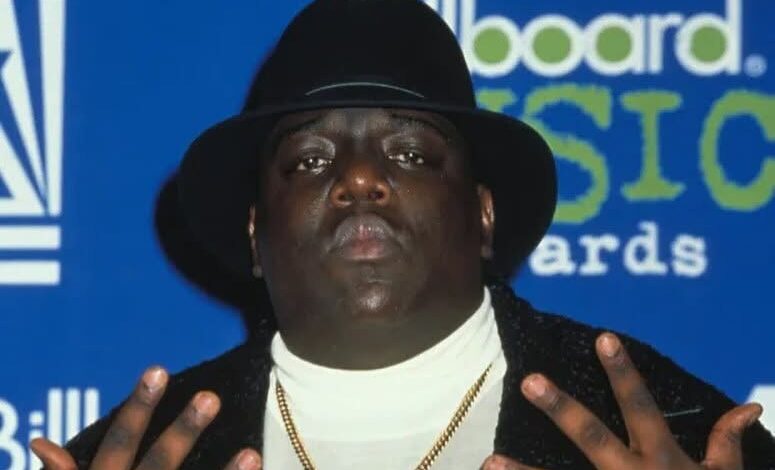
A long-running legal dispute involving the estate of The Notorious B.I.G. has reached an important resolution after a Delaware court ruled in favor of his former manager, Wayne Barrow. The case centered on money generated by Biggie’s valuable music catalog and intellectual property, with questions surrounding how proceeds connected to the late rapper’s estate should be distributed. Delaware Chancellor Kathaleen McCormick ruled that Barrow is entitled to receive a 25% share of profits from the catalog partnership with Primary Wave. The decision also affects funds that had been withheld by Biggie’s widow, Faith Evans, who is a co-owner of Notorious B.I.G. LLC. While the ruling settles a significant part of the dispute, other legal questions involving Biggie’s estate remain unresolved.
The legal conflict dates back to the complicated business arrangements created after Biggie’s death in 1997. Christopher Wallace, better known professionally as The Notorious B.I.G., left behind a catalog that would become increasingly valuable over the decades following his death. His music, name, image and likeness have continued to generate commercial interest, making the management of his intellectual property an important responsibility for his family and representatives. Voletta Wallace, Biggie’s mother, and Faith Evans were involved in establishing Notorious B.I.G. LLC to manage aspects of the rapper’s intellectual property. The company’s interests also extended to Biggie’s children, Ty’anna Wallace and CJ Wallace, creating a business structure involving several members of his immediate family.
Wayne Barrow’s role in that structure became central to the Delaware case. Barrow served as Biggie’s former manager and later became executor of Voletta Wallace’s estate and trustee of her trust. According to the reported court ruling, Barrow was entitled to a 25% share of profits generated through the catalog partnership involving Primary Wave. The proceeds connected to Voletta Wallace’s interest are ultimately designated for the Christopher Wallace Memorial Foundation. This means the dispute was not simply about money going directly into Barrow’s personal possession, but also involved the administration of assets connected to Voletta’s estate and the foundation established in Biggie’s memory.
The court’s ruling also addressed Barrow’s position within Notorious B.I.G. LLC and its intellectual-property portfolio. Chancellor McCormick affirmed that Barrow holds a 50% membership interest in the company’s intellectual-property portfolio. The ruling further recognized his entitlement to distribution rights connected to Voletta Wallace’s estate. This is significant because Biggie’s catalog has become one of the most valuable assets associated with his legacy, particularly as interest in his music has remained strong more than two decades after his death. The decision therefore provides greater clarity around how certain portions of the catalog’s commercial proceeds should be handled.
Faith Evans is also directly affected by the decision because of her role as Biggie’s widow and as a co-owner of Notorious B.I.G. LLC. The court ordered Evans to release funds that had previously been withheld as part of the dispute. The ruling establishes that Barrow’s rights to the relevant proceeds must be recognized under the existing business and estate arrangements. The decision does not erase the broader complexity surrounding Biggie’s intellectual property, but it does resolve an important disagreement over specific financial distributions. For Evans and the other parties involved, the ruling provides a clearer framework for dealing with the money generated by the catalog partnership.
The value of Biggie’s catalog has become an increasingly important part of the legal dispute because his commercial legacy has continued to grow. Primary Wave entered into a partnership involving Biggie’s music and certain name, image and likeness rights, with the transaction completed in 2025. Initial reports placed the value of the deal at around $100 million, although later estimates have suggested that the overall value could be considerably higher. The scale of the transaction demonstrates why ownership and distribution rights have become such significant issues for those connected to Biggie’s estate. As music catalogs have become increasingly attractive investments, the intellectual property left behind by legendary artists can generate substantial sums long after their deaths.
Barrow previously sued Evans over the handling of proceeds connected to Voletta Wallace’s interest in the catalog. His allegations included claims that money had been distributed to Biggie’s children while Voletta’s share was withheld. The dispute required the Delaware court to examine the relevant ownership structure, estate arrangements and distribution rights. Barrow’s legal team has described the decision as a major victory because it confirms his authority to receive and administer the proceeds covered by the ruling. The judgment therefore represents a significant development in a case that has involved some of the most valuable assets associated with Biggie’s enduring musical legacy.
The Delaware ruling does not, however, bring every legal dispute involving Biggie’s estate to an end. CJ Wallace has filed a separate lawsuit in Pennsylvania that raises different allegations concerning Barrow’s handling of Voletta Wallace’s estate. In that case, CJ Wallace accuses Barrow of improperly obtaining greater control over Voletta’s estate shortly before her death. Because the Pennsylvania case remains pending, its allegations have not been finally determined by the court. The separate lawsuit means that additional legal developments could still affect the relationship between members of Biggie’s family and the people involved in administering his mother’s estate.
The continuing disputes illustrate how complicated the management of a major artist’s estate can become decades after their death. Biggie’s catalog is not simply a collection of recordings, because it encompasses valuable intellectual property, commercial rights and a cultural legacy that continues to generate revenue. Different family members, business representatives and estate administrators can therefore have competing interests in how those assets are controlled and distributed. The involvement of Primary Wave has added another commercial dimension because the partnership places significant financial value on Biggie’s music and associated intellectual property. As a result, legal decisions concerning ownership and distribution can have consequences far beyond a single payment or business disagreement.
For fans of The Notorious B.I.G., the legal developments offer another reminder of the enormous value attached to his work more than 29 years after his death. Biggie’s influence on hip-hop remains significant, and his music continues to attract listeners across generations. His estate and intellectual property have consequently become important financial assets that require careful administration. The Delaware decision provides a resolution to the specific dispute involving Barrow’s rights to certain proceeds, while the pending Pennsylvania case shows that questions surrounding Voletta Wallace’s estate remain active. Further developments will likely determine how the remaining disagreements are handled.
The Delaware court’s ruling marks a major development in the long-standing dispute surrounding Biggie’s catalog and provides Wayne Barrow with a significant legal victory over the distribution of proceeds connected to the estate. The decision confirms his entitlement to the relevant 25% share of profits from the Primary Wave partnership and recognizes his 50% membership interest in the intellectual-property portfolio of Notorious B.I.G. LLC. It also requires Faith Evans to release funds that had been withheld, bringing greater clarity to a complicated financial dispute involving Biggie’s legacy. However, the separate Pennsylvania lawsuit filed by CJ Wallace means the wider battle over Voletta Wallace’s estate is not yet finished. For now, the Delaware ruling stands as an important chapter in the continuing legal and financial story surrounding one of hip-hop’s most valuable and enduring catalogs.