Glasses Malone and P-Lo Reignite Debate Over Bay Area and Los Angeles West Coast Loyalty
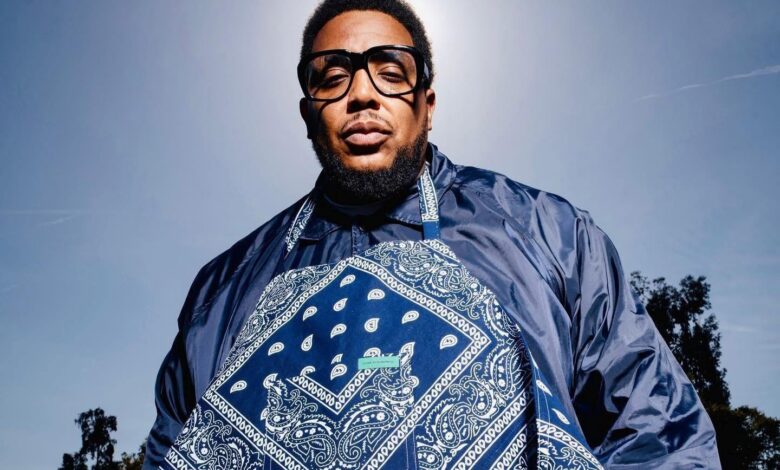
A new disagreement between Glasses Malone and P-Lo has reopened a long-running debate about West Coast identity, Bay Area and Los Angeles relationships and how artists should respond when regional rivalries enter hip-hop. The discussion centers on Drake’s “2 Hard 4 The Radio,” a track from his ICEMAN project that drew attention for its West Coast-inspired sound and references connected to the ongoing tension with Kendrick Lamar. P-Lo, a Bay Area producer, helped create the track, which led some listeners to question whether working with Drake conflicted with the idea of West Coast solidarity. Glasses Malone recently took that argument directly to P-Lo during P-Lo’s appearance on Back On Figg, creating another public conversation about where regional loyalty fits into modern rap.
“2 Hard 4 The Radio” became controversial for reasons that went beyond Drake’s lyrics. The track uses a West Coast bounce and contains a Bay Area connection through P-Lo’s production, while also arriving after the highly publicized Drake and Kendrick Lamar feud. The use of a Mac Dre reference added another layer to the conversation because Mac Dre remains an important figure in Bay Area hip-hop history. For some listeners, Drake’s decision to incorporate those elements into a song connected to his rivalry with Kendrick raised questions about whether the record was borrowing from a regional culture while also addressing a Los Angeles artist. P-Lo’s involvement therefore became part of a larger discussion about whether producers should separate their professional relationships from regional disputes between artists.
Glasses Malone challenged P-Lo over that issue when he called into P-Lo’s Back On Figg appearance. Malone’s position centered on the idea that artists from different parts of the West Coast should show solidarity when an outside artist becomes involved in a conflict with one of their own. He questioned P-Lo’s involvement in a Drake record that was connected to the larger Kendrick Lamar feud. The conversation brought attention to the different ways artists define loyalty within the West Coast. While Malone approached the issue through a regional lens, P-Lo offered a different explanation for his involvement.
P-Lo said he was not in the studio with Drake and was not aware of the specific disses when he worked on the music. That distinction matters because producing a song does not necessarily mean a producer participates in every lyrical decision made by the artist. P-Lo also emphasized that he works within the music business and has professional relationships with artists across different parts of the industry. He pointed to his direct relationship with E-40 as an example of where his Bay Area connections are rooted. His comments presented the situation as a matter of professional relationships and music-making rather than an intentional decision to take a position against Kendrick Lamar or Los Angeles.
The discussion also brought E-40 into the wider conversation because of his connection to Kendrick’s The Pop Out concert. E-40 narrated the event, which became a major celebration of Los Angeles and broader West Coast hip-hop culture. His involvement has since been referenced in conversations about how Bay Area and Los Angeles artists interact during moments of regional unity. The fact that P-Lo cited his relationship with E-40 while discussing his position added another layer to the debate. It showed that West Coast identity cannot always be reduced to a simple division between Bay Area and Los Angeles, especially when artists maintain professional and personal relationships across regional lines.
At the heart of the disagreement is a broader question about whether regional solidarity should affect an artist’s professional decisions. Some fans believe artists from the same region should stand together when one of their peers becomes involved in a high-profile feud. Others view hip-hop as a professional industry where producers and artists can work with different people without automatically adopting their conflicts. P-Lo’s explanation reflects the latter approach, particularly because he said he was not aware of the diss content when he contributed to the record. Glasses Malone’s argument focuses more heavily on the cultural relationship between West Coast artists and whether that connection should carry responsibilities beyond individual business relationships.
The debate also shows how Kendrick Lamar and Drake’s feud continues to influence conversations well beyond the two rappers themselves. Their battle created a wider discussion about regional identity, music history and which artists aligned themselves with each side. Kendrick’s Los Angeles roots became particularly prominent during The Pop Out, while Drake’s “2 Hard 4 The Radio” incorporated sounds and references associated with the West Coast. That combination made P-Lo’s involvement particularly noticeable to fans who were already paying close attention to regional dynamics. Even artists who were not directly involved in the original feud can therefore find themselves drawn into debates about it.
The controversy comes at a time when several other West Coast artists are generating attention for their own projects and collaborations. AZ Chike recently released No Rest For The Wicked after receiving significant support from Kendrick and members of his creative circle. Kendrick did not appear on the album despite fan speculation, but he did offer Chike advice during the project’s creation. Meanwhile, the reported Pusha T and Pharrell album leak has created another Drake-related conversation, with fans debating whether an alleged diss is authentic or AI-generated. These separate stories demonstrate how quickly discussions involving major rappers can spread into broader conversations about collaborations, regional relationships and hip-hop loyalty.
For Drake, the P-Lo controversy represents another example of how his use of West Coast sounds and references can attract scrutiny in the aftermath of his feud with Kendrick. “2 Hard 4 The Radio” was not simply heard as another album track because listeners connected its production and lyrical context to a much larger cultural conversation. The Mac Dre homage also meant Bay Area listeners could interpret the record through their own regional history. P-Lo’s involvement then gave the debate a real-world connection between the Bay Area and Los Angeles. That made the disagreement between Malone and P-Lo about more than one producer credit, even though neither artist represents the entire West Coast’s position.
The debate also remains separate from statements by Drake or Kendrick Lamar themselves. Neither artist has publicly entered the Malone and P-Lo disagreement described here, leaving other artists and fans to argue about what West Coast loyalty should mean in this situation. That distinction is important because interpretations from fans and fellow artists do not necessarily represent the views of Drake or Kendrick. As more time passes, the focus could shift away from the dispute and back toward the music that initially sparked it. For now, however, the conversation has provided another reminder that regional identity remains an important part of hip-hop culture.
The Glasses Malone and P-Lo disagreement ultimately highlights two different approaches to navigating West Coast hip-hop. One emphasizes collective regional solidarity, while the other places greater importance on individual relationships, professional decisions and the circumstances surrounding a particular recording. Neither approach automatically explains how every West Coast artist will respond to a feud, especially when artists maintain relationships across Los Angeles, the Bay Area and beyond. The debate surrounding “2 Hard 4 The Radio” has therefore become another chapter in the continuing conversation about Bay Area and Los Angeles connections in hip-hop. As the Drake and Kendrick Lamar rivalry continues to shape discussions around West Coast music, artists and fans will likely keep debating where professional collaboration ends and regional loyalty begins.