
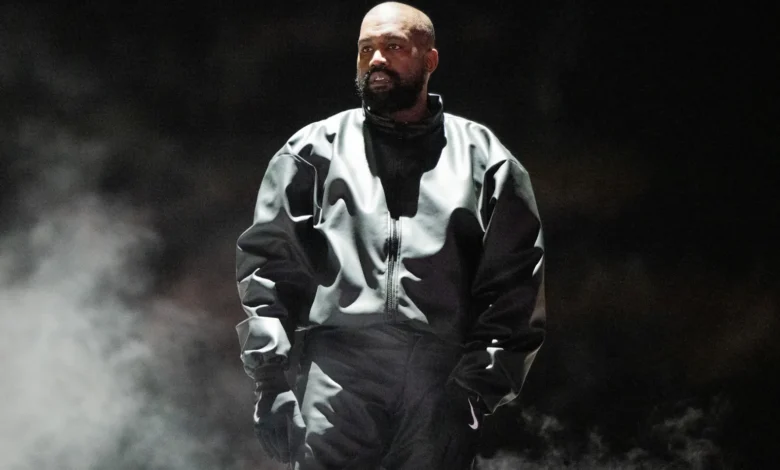
Kanye West is facing renewed allegations over the use of artificial intelligence in his music, with a lawsuit now bringing fresh attention to questions that have followed the rapper for years. The controversy initially intensified during the production of BULLY, when fans questioned whether some of the vocals and other musical elements had been created or altered using AI technology. West previously indicated that he intended to re-record his vocals to remove AI from the album, seemingly acknowledging the concerns surrounding the project. Now, according to court documents reported by Complex, an anonymous producer has alleged that AI-related work was used on both Vultures 2 and BULLY. The allegations add another layer to the ongoing debate surrounding West’s increasingly experimental approach to music production and the responsibilities artists have when using emerging technology.
The latest claims center on an anonymous producer identified in court documents as John Doe. According to the allegations, Doe worked with West on extensive production and vocal production services shortly before the release of Vultures 2. The producer claims West contacted him on August 1, 2024, only two days before the album was released. Doe alleges that West requested extensive assistance that ultimately involved 400 individual vocal generations and 13 AI voice models. He further claims that elements connected to this work appeared on five songs from Vultures 2, potentially making the technology a more significant part of the album’s production than some listeners realized.
The timing of the alleged request is one of the more notable details in the lawsuit. Vultures 2 arrived after a highly publicized rollout surrounding West and Ty Dolla $ign’s collaborative Vultures series, making the production process particularly important to fans who had followed the project closely. According to Doe’s account, the request for AI-related vocal production came immediately before the album’s release. If the allegations are ultimately substantiated, they could raise questions about how much time was available to review, credit and compensate the people involved in creating those elements. They could also add to existing concerns about how rapidly some of West’s recent projects have been assembled and released.
AI had already become a major point of discussion around BULLY before the lawsuit emerged. Fans listening to previews and snippets questioned whether certain vocal performances sounded artificially generated or manipulated. The speculation became significant enough that West reportedly indicated that he would re-record his vocals for the project in an effort to remove AI from the album. That response suggested that the criticism had reached a level where the technology had become a meaningful concern for the project’s rollout. The new lawsuit now brings the issue back into focus by alleging that an outside producer contributed AI-related work to West’s music during the same broader period.
According to the allegations, Doe’s involvement did not end with Vultures 2. The producer claims that he worked with West again on BULLY during the fall of 2024. Doe says that despite contributing to the projects, he has not received appropriate credit for his work. He also alleges that he was offered a master buyout as a possible resolution, but claims that the arrangement never ultimately materialized. These allegations are important because they shift the conversation from simply asking whether AI was used to examining who created the technology-assisted material and whether those contributors received proper recognition.
The lawsuit reportedly involves seven tracks that Doe says were released with his uncredited contributions. He is seeking $110,000 in compensation, which he argues would be appropriate for the work allegedly used on the projects. The amount sought reflects the producer’s claim that his contributions were not limited to minor background adjustments but involved substantial production and vocal work. The court will ultimately have to consider the evidence supporting those claims and determine whether West or others are legally responsible for the alleged use of the material. At this stage, the allegations remain claims made in a lawsuit and should not be treated as established facts.
The situation also highlights the complicated relationship between AI and modern music production. Artificial intelligence can now assist with vocal generation, sound design, songwriting experiments and other parts of the recording process. Artists and producers have increasingly had to decide how much of that technology they are comfortable using and how openly they should disclose it to listeners. The issue becomes even more complicated when AI-generated or AI-assisted material involves a producer’s work, because questions of credit, ownership and compensation can emerge alongside concerns about artistic authenticity. West’s latest controversy therefore extends beyond his personal choices and reflects wider problems that the music industry is still trying to address.
The allegations are particularly relevant because West has maintained a strong reputation for experimentation throughout his career. From sampling and electronic production to unconventional vocal processing and shifting creative approaches, technology has frequently played a role in his music. His willingness to explore new methods has often been part of his appeal, but it also means that audiences pay close attention when questions arise about how his music was created. AI introduces a different set of concerns because it can generate performances and musical components rather than simply manipulate existing recordings. That distinction has made AI one of the most contentious technological developments in the modern music business.
West’s previous response to the BULLY controversy also demonstrates the changing expectations around AI-assisted music. By indicating that he would re-record vocals to remove AI from the project, he appeared to recognize that some listeners wanted a clearer connection between the artist’s actual performance and what they heard on the finished record. Whether that decision was ultimately implemented across the album remains separate from the new allegations. The lawsuit instead focuses on specific production work that Doe says he performed for West. Together, the developments demonstrate how difficult it can be for artists to manage AI-related questions once the technology becomes part of a complicated production process involving multiple contributors.
There is also a legal dimension that could make this case significant beyond West’s individual situation. If a producer can establish that they created specific AI-assisted material at an artist’s request and that the material was later commercially released without appropriate credit or payment, the dispute could raise important questions about contractual obligations and ownership. The music industry already has established systems for handling producer credits, publishing rights, master recordings and royalties. AI-assisted production introduces additional questions about who owns generated material and how contributors should be compensated when technology plays a substantial role. Cases such as this could eventually help establish clearer expectations for artists, producers and record companies.
West has faced numerous legal disputes in recent years, adding another complicated issue to an already turbulent period in his career. However, this case stands apart because it touches directly on one of the most controversial developments in contemporary music production. The producer’s allegations concern both Vultures 2 and BULLY, two projects closely associated with a period of major creative activity for West. Neither West nor Doe has publicly resolved the claims described in the lawsuit at this stage. The outcome will depend on the evidence presented and the legal process, rather than on the speculation that has surrounded West’s use of AI.
The renewed allegations against Kanye West show that the debate over artificial intelligence in his music is far from finished. What began with fan speculation surrounding BULLY has now expanded into a legal dispute involving claims of AI voice generation, production services, missing credits and unpaid compensation. The anonymous producer alleges that 400 vocal generations and 13 AI voice models were created for West and that elements of that work appeared across multiple released tracks. West has previously indicated that he wanted to remove AI from BULLY, but the new lawsuit raises fresh questions about how AI was used during the production of his recent albums. Until the claims are resolved in court, they remain allegations, but the case could nevertheless become another important example of the challenges the music industry faces as artificial intelligence becomes increasingly embedded in the creative process.