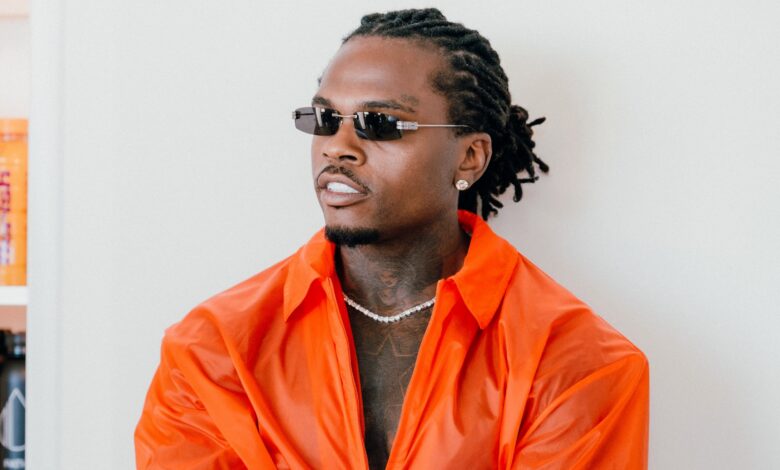
Gunna has reflected on the making of “Drip Too Hard,” the hugely successful collaboration he recorded with Lil Baby in 2018, despite the fact that the two Atlanta rappers are no longer on speaking terms. During Billboard’s Chart History interview, Gunna looked back on the creation of the hit with clear appreciation for the chemistry they shared at the time. He described the song as a natural collaboration that required little planning because both artists were able to build on what the other brought into the studio. “Drip Too Hard” became one of the defining records of their early careers and helped establish the strength of their partnership within Atlanta’s hip hop scene. Years later, the song remains an important part of both artists’ catalogues and a reminder of a period when their creative relationship was flourishing.
The track was created while Gunna and Lil Baby were working on their joint project, Drip Harder, which arrived in 2018 as both rappers were rapidly gaining attention. Producer Turbo provided the beat, and Lil Baby had already started recording when Gunna heard the track. Rather than approaching the song with a detailed plan, Gunna simply responded to what Lil Baby had already created and added his own contribution. He recalled that the process involved the two rappers bouncing ideas off each other until the record took shape. That spontaneous approach helped give “Drip Too Hard” the relaxed chemistry that became one of its strongest qualities.
Gunna described the collaboration as a “no-brainer,” highlighting just how naturally the song came together. His comments suggest that neither artist needed to force a particular style or compete for attention because their approaches complemented one another. Lil Baby’s delivery brought a direct and rhythmic quality to the record, while Gunna added his own melodic flow and laid-back vocal style. Their contrasting approaches created a balance that made the song accessible without removing the characteristics that had made each rapper distinctive. The result was a record that felt cohesive even though two different artists contributed to its sound.
The success of “Drip Too Hard” also reflected the momentum surrounding Lil Baby and Gunna at the time. Both artists were emerging from Atlanta’s highly influential rap scene and were developing reputations for melodic trap records, memorable flows and distinctive approaches to luxury-focused songwriting. Their collaboration gave listeners a chance to hear two closely connected artists operate as a unit while maintaining their individual identities. Drip Harder benefited from that chemistry across the project, but “Drip Too Hard” became the standout record and eventually grew far beyond the expectations of its creators. Its commercial performance helped cement both rappers as major figures in contemporary hip hop.
The song’s longevity is particularly significant because “Drip Too Hard” eventually achieved diamond certification from the Recording Industry Association of America. That milestone means the track reached an exceptionally high level of certified sales and streaming activity, placing it among the most commercially successful songs in the careers of both artists. Its continued presence in hip hop conversations demonstrates how strongly listeners connected with the collaboration. The record also became closely associated with the late 2010s Atlanta rap sound, when melodic trap was becoming increasingly dominant across mainstream music. For Gunna and Lil Baby, the song represented a major career moment that helped turn their partnership into one of the most recognizable collaborations of that era.
Gunna’s recent comments are also notable because his relationship with Lil Baby has changed significantly since “Drip Too Hard” was recorded. The two artists were once closely associated with each other and were frequently mentioned together because of their collaborations and shared Atlanta background. Their creative partnership eventually became strained following developments surrounding the YSL RICO case and Gunna’s decision to accept an Alford plea in 2022. Gunna has denied cooperating against Young Thug, but his plea led to significant criticism from some members of the hip hop community. The fallout changed how some listeners viewed his relationships with artists who had previously worked closely with him.
Lil Baby has publicly indicated that his relationship with Gunna is no longer what it once was. During a December 2024 interview with Charlamagne Tha God, Lil Baby said that the two had no relationship and indicated that he did not expect them to record together again. His comments made clear that the personal distance between the former collaborators extends beyond simply taking a break from making music together. The situation has remained an important part of the broader discussion around Gunna’s career since his release from jail. Despite that history, Gunna’s comments about “Drip Too Hard” did not attempt to reopen the dispute or address the accusations surrounding their relationship.
Instead, Gunna focused entirely on the music and gave Lil Baby credit for his contribution to the record. That decision is significant because he could have used the interview to discuss the breakdown in their relationship or respond to comments made about him in recent years. He chose not to do that and instead remembered the period when the two artists were working together successfully. His description of their creative process shows that he still recognizes the value of what they accomplished together. Even when personal relationships change, artists can acknowledge that earlier collaborations were important and genuinely successful.
The story behind “Drip Too Hard” also demonstrates why chemistry remains important in collaborative music. A successful collaboration requires more than putting two popular artists on the same beat, especially when both performers have strong individual identities. Gunna’s account suggests that the record worked because he and Lil Baby were responding naturally to each other’s performances rather than treating the collaboration as a carefully manufactured commercial opportunity. That interaction helped create a track that felt connected from beginning to end. The success of the song shows how productive creative relationships can generate music that continues to resonate years after the original recording session.
For Gunna, looking back at “Drip Too Hard” also provides an opportunity to separate the music from the complicated history that followed. His relationship with Lil Baby may have deteriorated, but he has not dismissed the creative partnership that once existed between them. The song remains a major achievement in both artists’ careers and an important part of the Drip Harder era. Gunna’s comments recognize that the record worked because both rappers brought something valuable to the studio and were able to build on each other’s ideas. That acknowledgement allows him to celebrate the music without suggesting that their personal relationship has been restored.
“Drip Too Hard” ultimately stands as a lasting reminder of what Gunna and Lil Baby achieved together before their relationship changed. Gunna’s recollection shows that the record emerged from a natural creative exchange rather than an overly complicated studio process. Its diamond certification and continued popularity demonstrate the impact that collaboration had on both artists and on Atlanta’s broader influence over mainstream hip hop. Although there is currently no indication that the former collaborators plan to reunite in the studio, Gunna’s comments make it clear that he still understands why their combination worked so well. The history surrounding the two rappers may remain complicated, but “Drip Too Hard” continues to exist as a successful piece of music from a period when their creative chemistry was undeniable.