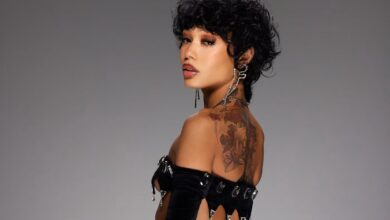
The FIFA World Cup 2026 opening ceremony delivered a mix of global sport and major music star power as organizers leaned into a wide range of artists to represent the tournament’s international reach. FIFA World Cup 2026 is being hosted across Canada, the United States and Mexico, making it one of the most widely spread editions in the competition’s history. To reflect that scale, the official soundtrack and live performances featured both domestic and international names from different genres. Among the standout moments was a high profile performance by Future alongside South African star Tyla on the track “Game Time.” The collaboration highlighted how FIFA continues to merge global sport with global music culture in a more direct way than previous tournaments.
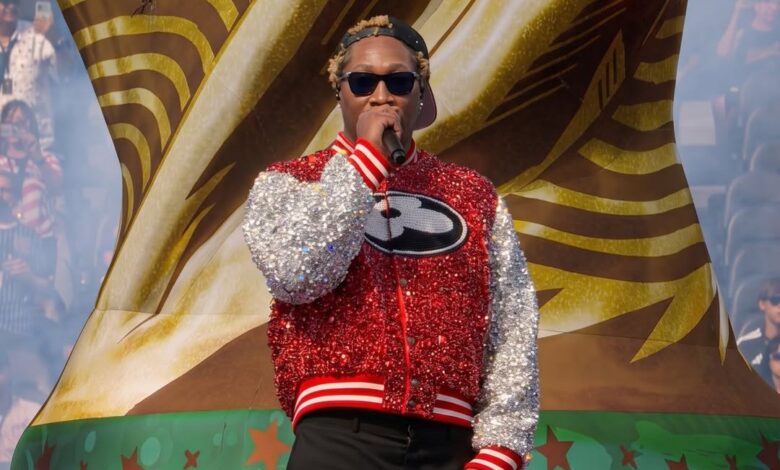
The song “Game Time” was performed live during the opening ceremony held at SoFi Stadium in Inglewood before the match between Team USA and Team Paraguay. The track is part of the official FIFA World Cup 2026 album, which brings together a mix of hip hop, pop and international sounds aimed at a global audience. Future appeared on stage wearing a glittery red and silver jacket, adding a striking visual element to the performance before Tyla joined him to complete the set. The stage production reflected the scale of the event, with multiple performers and large audience energy designed to match the opening match atmosphere. Other artists who participated in the ceremony included global stars such as Katy Perry, Anitta and BLACKPINK’s LISA, showing the event’s strong focus on international entertainment.
The performance quickly became a topic of discussion online, with reactions split across social media platforms. Some viewers praised the visibility given to hip hop artists on such a global stage, while others criticized aspects of the delivery. One viewer comment focused on concerns about performance execution, specifically questioning lip syncing during a live World Cup event. Despite mixed reactions, the appearance still placed hip hop culture at the center of one of the most watched sporting events in the world. Moments like these often generate debate, but they also amplify exposure for the artists involved and the music tied to the tournament.
Beyond the controversy, the performance marked another major cultural crossover moment for hip hop within global sports entertainment. Future has long been associated with high energy anthems and major collaborations, and this appearance reinforced his position as a frequent contributor to large scale projects. His participation in the World Cup opening ceremony also highlighted how hip hop continues to expand beyond traditional music platforms into global sporting events. Behind the scenes, he shared footage showing preparation for the performance, giving fans a closer look at the production process. These types of moments help build narrative around major performances and extend audience engagement beyond the stage itself.
The timing of the performance also aligns with a busy period in Future’s recent music activity. He recently appeared on the track “Ran To Atlanta” alongside artists connected to Drake, a release that performed strongly on streaming charts. The collaboration added further attention to his current run and sparked discussion about his evolving relationship with other major artists in the industry. With chart success and high profile performances happening at the same time, speculation has increased around whether new solo music or a larger project could arrive later in the year. This combination of sports exposure and music momentum positions him strongly within both entertainment spaces.
Team USA’s strong performance against Paraguay, securing a 4 to 1 victory, added to the energy of the night and helped set a positive tone for the tournament’s early stages. Hosting the World Cup across North America for the first time in decades has created a unique platform for blending sport, culture and entertainment on a massive scale. Events like the opening ceremony show how FIFA now uses music as a central part of its global branding strategy. The inclusion of artists like Future and Tyla demonstrates a clear effort to connect with younger audiences while maintaining worldwide appeal. As the tournament continues, the intersection of football and music will remain a key part of its identity, with performances like “Game Time” setting the tone for what is expected to be one of the most culturally diverse World Cups to date.