
Victory Boyd Drops Lawsuit Against Travis Scott, SZA and Future Over “Telekinesis” Demo Dispute
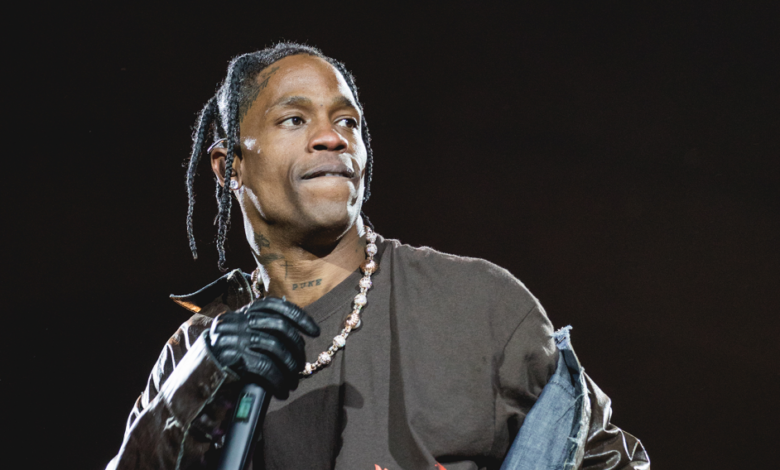
Victory Boyd has officially withdrawn her lawsuit against Travis Scott, SZA and Future, bringing an end to a legal dispute that had drawn attention across the music industry. The case centered on claims that her 2019 demo “Like The Way It Sounds” was used in the creation of “Telekinesis,” a track featured on Travis Scott’s 2023 album UTOPIA. The lawsuit placed focus on how unreleased material can move through collaborative networks in modern music production. Boyd initially argued that her work had been used without proper authorization in the final version of the song. The withdrawal of the case now closes a chapter that raised questions about credit, consent and creative ownership.
The original demo was created in 2019 during a collaboration involving Ye, formerly known as Kanye West. Boyd contributed vocals and lyrics, while Ye provided the chord structure that formed the foundation of the track. According to reports, Travis Scott later accessed the material with permission connected to Ye’s involvement in the project. Boyd was also credited and included in publishing splits for the released version of “Telekinesis.” Despite this recognition, she still pursued legal action, claiming that the use of the demo went beyond what she had originally agreed to. The situation highlighted how complex rights agreements can become when multiple artists contribute to early stage recordings.
The lawsuit named Travis Scott, SZA and Future, all of whom were associated with the final release of “Telekinesis.” The track itself became one of the standout songs on UTOPIA, receiving strong streaming numbers and widespread listener attention. Much of the discussion around the song also linked back to Ye’s earlier influence on its creation, including elements that reportedly originated during his recording sessions. This added another layer to the dispute, since the material appeared to evolve over several years before reaching its final form. The overlap between reference tracks, demos and finished recordings played a central role in how the legal arguments were framed.
According to Boyd’s legal representative, Keith White, the decision to drop the case came after internal reflection and a personal shift in focus. He stated that Boyd experienced a spiritual change that led her to step away from the legal process. The decision was framed as an effort to prioritize her creative work, personal life and ministry rather than continue a prolonged court battle. Her legal team also noted that she chose to forgive the parties involved and move forward without further dispute. This development effectively ends the case without a formal court ruling on the underlying claims.
“Telekinesis” remains a significant track within UTOPIA, both for its popularity and for the discussions it sparked around authorship and sample use. The song’s production history reflects how modern hip hop often builds on layered contributions from multiple sessions and eras. In this case, material that began in earlier creative environments eventually surfaced in a major commercial release. With the lawsuit now withdrawn, all parties move forward without ongoing legal proceedings tied to the track. The resolution leaves the focus on the music itself and the continued evolution of collaborative creation in contemporary recording practices.