
Travis Scott, Future and SZA Face Ongoing Copyright Lawsuit Over Telekinesis
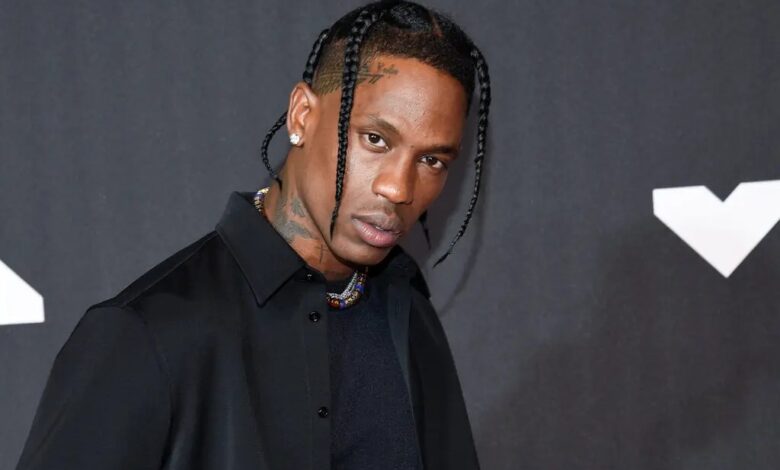
A copyright dispute involving several major figures in the music industry is continuing to move through the United States legal system. Singer and songwriter Victory Boyd filed a lawsuit claiming that her creative work was used without permission in the song “Telekinesis.” The track appears on the 2023 album Utopia by Travis Scott and features performances from Future and SZA. Boyd alleges that the song was built from an unreleased piece she created with Kanye West titled “Like the Way It Sounds.” The case recently reached a key stage after a federal judge declined a request from the artists to dismiss the lawsuit.
The legal dispute centers on whether Boyd granted permission for the material to be adapted into “Telekinesis.” According to the lawsuit, Boyd claims that she never authorized the use of the original composition for the commercially released track. She argues that the transformation of her unreleased demo into a song on Scott’s album happened without her consent. The artists named in the lawsuit previously challenged the case and asked the court to throw it out. Their legal teams argued that Boyd’s copyright claims lacked a proper foundation. The court has now ruled that the lawsuit can proceed to further stages of litigation.
A ruling from United States District Judge Mary Kay Vyskocil in New York addressed the arguments presented by the defendants. The judge wrote that the artists had not met the burden required to justify dismissing the lawsuit at this early stage. The court explained that there was limited factual information available about the working relationship between Boyd and Kanye West. That relationship plays a central role in the arguments presented by Scott and the other defendants. Their legal position suggested that the collaboration between Boyd and West justified the use of the material. However the judge concluded that the evidence available in the court record was not sufficient to support that claim during the dismissal phase.
The artists initially filed their request to dismiss the case in July of the previous year. Their attorneys argued that Boyd incorrectly presented herself as the sole composer of the demo during the copyright registration process. According to their claim, Boyd handled the lyrics while West was responsible for the musical composition. They also argued that without a valid copyright registration Boyd could not pursue an infringement lawsuit. Their filing stated that the legal complaint should therefore be rejected. This argument formed the central basis of their attempt to end the case before it moved further into litigation.
While the judge allowed Boyd’s lawsuit to continue, the court did limit certain aspects of the case. The ruling noted that Boyd did not register the copyright for “Like the Way It Sounds” until after “Telekinesis” was released in 2023. Because of that timing the judge restricted the financial damages she may attempt to claim. This decision narrows the potential monetary scope of the case but still leaves the core copyright dispute active. Legal observers note that copyright timing can significantly influence how damages are calculated in intellectual property cases. The decision highlights the complex legal standards that apply to music ownership and creative rights.
Boyd’s legal team welcomed the ruling and signaled confidence about the next stage of the case. Her attorney, Keith White, said they expected the court to reject the dismissal request. He also emphasized the broader message the case could send to other artists and creators. According to his statement, the decision may encourage creatives to defend their intellectual property even when facing large companies and established performers. Boyd’s representatives also described her as a talented songwriter who deserves recognition and protection for her work. Their response framed the lawsuit as part of a wider struggle for fair treatment within the music industry.
Attorneys representing the artists maintain a different perspective on the situation. Their legal representative, Ed McPherson, stated that the ruling simply delays what they believe will eventually be a full dismissal. He indicated that the defense remains confident the claims will not succeed once the case moves deeper into the legal process. Legal disputes involving music often require detailed examinations of songwriting credits, recording sessions and collaboration agreements. As the lawsuit moves forward, those details may become central pieces of evidence. Both sides appear prepared for a longer legal battle as the courts review the facts surrounding the creation of the songs.
The ongoing lawsuit highlights the complicated nature of songwriting ownership in the modern music industry. High profile collaborations often involve multiple artists, producers and writers who contribute different elements to a track. When disagreements arise, courts must examine contracts, copyright filings and the creative process behind the music. The case involving Travis Scott, Future, SZA and Victory Boyd may take months or even years before reaching a final decision. For now the judge’s ruling ensures that the legal debate will continue. The outcome could shape discussions about creative credit and copyright protection in major music collaborations.