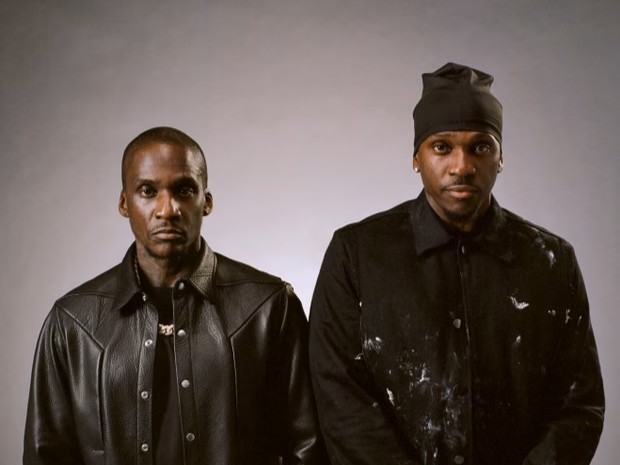
There is no question that Let God Sort Em Out by Clipse remains one of the most impactful hip hop projects in recent memory. The album proved that rap does not lose power with time and experience, and that artists can return after long gaps with work that still shapes culture. It also reinforced the idea that hip hop is not limited by age or trends. Instead, it rewards sharp writing, strong identity, and consistency in message. The project continues to be discussed as a benchmark for quality in modern rap.
The commercial and critical performance of the album strengthened its legacy from the moment it dropped. The project debuted at number four on the Billboard 200, moving around 118,000 units in its first week. That level of success showed strong audience demand even years after Clipse had stepped back from active releases. The album also carried industry recognition at major awards shows. It won Best Rap Performance for the track “Chains & Whips” and earned multiple nominations including Best Rap Album, Best Music Video, and Album of the Year. These achievements placed the project in elite company and confirmed its cultural weight.
The impact of the album has not faded with time. As it approaches its first anniversary on July 11, discussions around its quality and influence remain active. Pusha T has continued to publicly defend the project’s status in hip hop. During a recent Coachella performance, he told the crowd that “Let God Sort Em Out” still stands as the best album of the year across any genre. He reinforced the statement by adding that it will remain at the top until the group releases new music. His comments reflect both confidence in the project and a desire to keep it relevant in an increasingly fast moving industry.
The strong stance from Pusha T comes at a time when his artistic credibility has been heavily discussed online. Over the same weekend as his Coachella remarks, hip hop social media circulated alleged reference tracks connected to writer Quentin Miller. Three tracks reportedly surfaced, with one titled “Real Gon’ Come” drawing the most attention. The material is believed to be linked to recording sessions for Pusha T’s 2018 album DAYTONA. The timing of the resurfaced material added fuel to ongoing debates about authenticity in rap. It also revived older conversations about writing credits and creative transparency.
The controversy gained more attention because of Pusha T’s history with ghostwriting accusations during his feud with Drake. During that battle, Pusha T criticized Drake’s use of outside writers on tracks such as “Infrared.” He also referenced Quentin Miller directly in his lyrics, which became a key moment in their rivalry. Because of that history, the resurfaced reference tracks created divided reactions among fans. Some argued that the alleged material only involved hooks or unused ideas, and that unreleased sessions should not be judged the same way as finished songs. Others saw it as inconsistent with the stance Pusha T previously took during public disputes.
The conversation has since spread across hip hop communities, with opinions sharply split. Critics argue that any level of outside writing raises questions about artistic integrity, especially for an artist who has spoken strongly on the topic. Supporters counter that hip hop has always involved collaboration and that unreleased material does not define an artist’s official catalog. The debate has also been amplified by commentators such as DJ Akademiks, who has pointed to perceived contradictions in how the situation is being interpreted. Despite the noise, the focus continues to return to the strength of the Clipse album itself.
Even with controversy surrounding side discussions, “Let God Sort Em Out” continues to stand on its own record. The project shows strong cohesion, lyrical focus, and a clear artistic identity that resonates beyond release cycles. Its chart performance and award recognition confirm its commercial and critical success. Its ongoing discussion in cultural spaces shows its staying power beyond numbers. The album continues to be used as a reference point when measuring modern rap releases.
The lasting conclusion is clear. Clipse delivered a project that still holds weight a year later and continues to shape conversations around quality in hip hop. At the same time, surrounding debates about writing, legacy, and authenticity show how closely public perception follows influential artists. The album’s success and the ongoing discourse around it prove that impact in hip hop does not end at release. It continues through performance, recognition, and conversation long after the music drops.