Drake’s ICEMAN Trilogy, UMG Contract Questions and Industry Impact
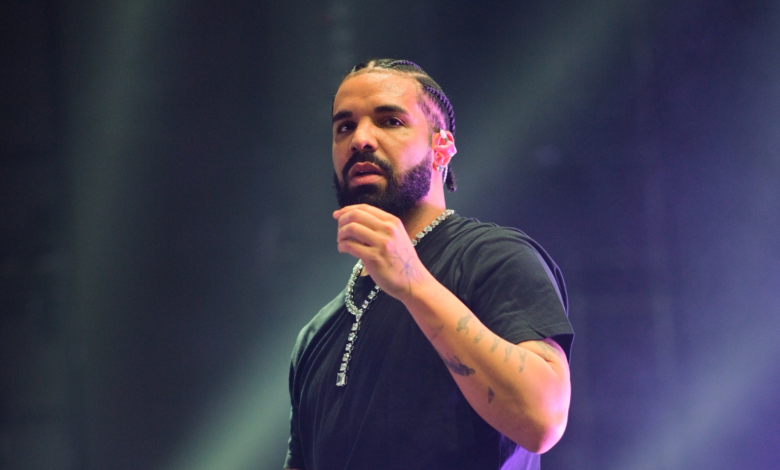
Drake has once again placed himself at the center of music industry discussion with the release of three new albums, including ICEMAN, HABIBTI, and MAID OF HONOUR. The rollout immediately sparked debate among fans and industry watchers about what the trilogy could mean for his long-standing relationship with Universal Music Group. The projects show a wide range of styles, from hip-hop focused records to R&B tracks and club-ready songs, giving listeners a broad view of his current creative direction. At the same time, the timing of the releases raised questions because of Drake’s ongoing legal tension with UMG. The combination of new music and business uncertainty has turned this moment into one of the most closely watched phases of his career.
ICEMAN in particular marked a return to a more hip-hop centered sound, with sharp lyricism and a focus on confrontation. HABIBTI leaned more into smooth R&B influences, while MAID OF HONOUR delivered high-energy club tracks designed for mainstream appeal. This three-project structure created a sense of range and strategy, with each album targeting a different listening experience. Fans quickly began to connect the rollout to possible contractual implications with Universal Music Group, since Drake’s OVO imprint continues to release music under Republic Records, a division of UMG. The diversity of sound across the trilogy also fueled speculation that these projects could represent a major business milestone in his career.
Attention intensified due to Drake’s legal dispute with UMG, which followed his defamation claims connected to the release of Kendrick Lamar’s diss track “Not Like Us.” Although parts of his legal challenge were dismissed on appeal, the situation has kept industry focus on his relationship with the label. The release of three full-length albums in close succession led to theories that Drake may have been fulfilling obligations tied to his recording contract. One of the most widely discussed ideas among fans is that this trilogy could mark the completion of his deal with UMG, potentially opening the door for an independent path or a move to another label. However, no official confirmation has been made regarding the status of his contract.
Industry reporting has added more fuel to the speculation. According to HITS Daily Double, there is a possibility that the three albums may fulfill Drake’s contractual requirements with Universal Music Group. The report suggested that such an outcome would be mutually beneficial, especially given the commercial strength of Drake’s catalog. It also noted that his music rights are expected to remain under Universal, even if his contractual relationship changes. While these claims remain unconfirmed, they have contributed to ongoing discussions about how major artists negotiate leverage, ownership, and long-term control over their music in today’s industry.
Beyond business speculation, ICEMAN also drew attention for its lyrical content and the range of artists referenced throughout the project. Listeners pointed to apparent disses aimed at a wide circle, including Kendrick Lamar, Pusha T, A$AP Rocky, DeMar DeRozan, LeBron James, J. Cole, Jay-Z, DJ Khaled, Rick Ross, Pharrell, Joe Budden, Mustard, and even UMG CEO Lucian Grainge. These references reinforced the perception that Drake is currently operating in a highly charged creative and professional environment. The tone of the album suggested ongoing tension across both personal and industry relationships, adding another layer of complexity to its interpretation.
The commercial response to the trilogy has also reinforced Drake’s position as one of the most influential artists in global music. Each release generated significant streaming activity and sustained attention across social platforms and music charts. This level of performance continues to highlight his value to any record label or distribution partner. Whether the ICEMAN trilogy marks the end of his UMG chapter or simply a new phase within it remains unclear. What is certain is that Drake has once again reshaped the conversation around music releases, artist independence, and the business of modern hip-hop.