
French Montana Watch Lawsuit Settlement: $1M Richard Mille Case, Court Denies Request to Seal Records
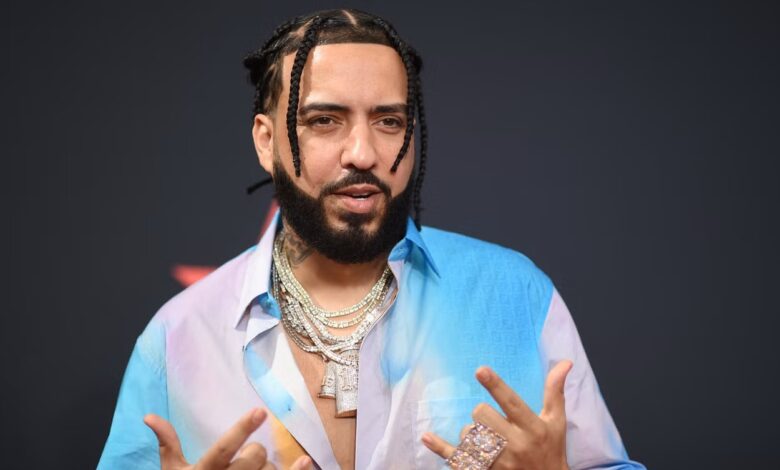
French Montana has reached a settlement in a $1 million legal dispute involving a luxury Richard Mille watch, but the case is continuing to draw attention after a federal judge refused to keep the court records private. The dispute, which has been unfolding since late 2025, has now shifted from the courtroom outcome to public transparency after the court ruled that the settlement details cannot be hidden from view. The decision means that documents tied to the case are expected to become accessible, even after both sides agreed to resolve the matter privately. This development has added a new layer of scrutiny to an already high-profile dispute involving expensive luxury goods and long-standing personal relationships. It also raises broader questions about privacy in celebrity legal settlements and how courts handle public interest cases.
The lawsuit centers on a Richard Mille RM-59-01 watch, a luxury timepiece that originally cost around $450,000 when purchased in 2016 and later appreciated in value to more than $1 million. According to court filings, the watch was loaned to French Montana during Paris Fashion Week in January 2025 by Justo Obiang and Samir Gato, individuals who had known the rapper for more than 15 years. The agreement involved French receiving the watch with the understanding that it would be returned within 30 days, and he reportedly provided one of his own watches as collateral. The dispute escalated when the collateral watch was later alleged to be counterfeit and communication between the parties broke down. These allegations formed the basis of the civil complaint that was filed in October 2025.
As the case progressed, French Montana’s legal team pushed back strongly against the claims. His attorney, Steve Haddad, stated that the allegations were inaccurate and argued that the watch arrangement was not a simple loan. According to the defense position, the Richard Mille watch was allegedly provided in connection with promotional work that French Montana completed in Egypt at the request of Obiang, rather than as a temporary loan agreement. This version of events directly contradicted the plaintiffs’ account and set the stage for a contentious legal battle. Despite the dispute, both sides ultimately reached a settlement before the matter could proceed to trial, although the specific financial or contractual terms were not disclosed publicly.
After the settlement was reached, French Montana’s legal team requested that the court seal all related records, arguing that continued public access to the allegations could cause reputational harm. They emphasized his public profile and the speed at which information involving celebrities can spread and be misinterpreted. However, the federal judge in Nevada rejected that request. The court ruled that the case had already been part of the public record since it was filed and noted that major media outlets had already reported on its details. The judge also stated that reputational concerns alone are not enough to justify sealing judicial records, reinforcing the principle of transparency in civil litigation.
The ruling means that the settlement itself does not remove the case from public scrutiny, and the underlying documents are expected to remain accessible. This outcome has significant implications for how the dispute will be viewed going forward, since the private resolution does not equate to confidentiality in the eyes of the court. Legal observers often note that once a case becomes part of the public record, it is difficult to fully reverse that visibility, especially when media coverage has already documented key allegations. In this instance, the court emphasized that the public interest in access outweighed the request for privacy. That position reflects a consistent judicial approach to maintaining open records in cases involving high-profile figures.
In its ruling, the court also referenced one of French Montana’s own lyrics, highlighting the cultural visibility of the case beyond the legal arguments. The judge cited a line from “Salam Alaykum,” noting the phrase about public perception and criticism, as part of the written decision denying the sealing request. While unusual in formal legal writing, the reference underscored the broader narrative surrounding the dispute and its connection to celebrity status. It also reinforced the idea that public figures often face heightened exposure in legal matters, especially when prior media coverage already exists. The inclusion of that reference added an unusual cultural dimension to what is typically a procedural court decision.
French Montana’s $1 million watch lawsuit has officially been settled, but the legal and public attention surrounding it is far from over. The court’s refusal to seal the records ensures that details of the dispute will remain visible, even after both parties agreed to resolve the matter privately. The case highlights the tension between privacy requests and the legal system’s commitment to transparency, particularly in disputes involving public figures. It also shows how quickly personal and financial disagreements can become widely discussed when luxury assets and celebrity relationships are involved. As the documents move further into public access, the case is likely to continue shaping conversations about accountability, reputation, and privacy in high-profile legal settlements.