Big Sean Opens Up About Deep Depression Following Nipsey Hussle’s Death
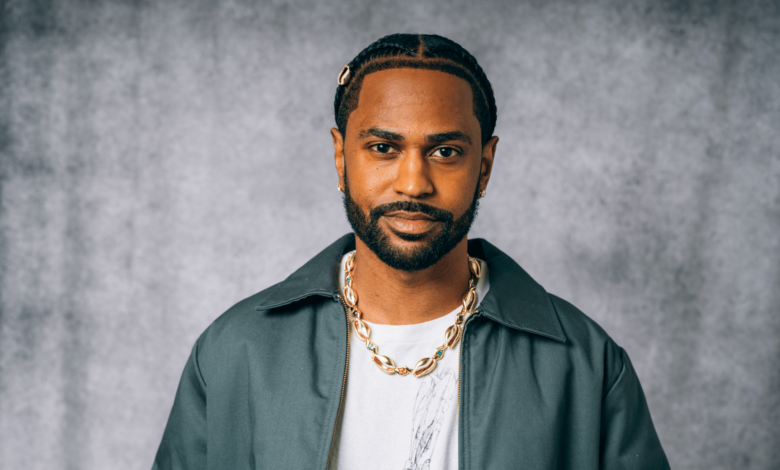
Big Sean revealed that he fell into a deep depression after the death of Nipsey Hussle in 2019. In a recent interview with Linsey Davis for ABC News, he reflected on the Los Angeles rapper’s passing and how it affected his mental health. Sean said he didn’t set out to speak on mental health publicly but was simply sharing his own struggles. He explained that during that period he went through heavy ups and downs while attending therapy and confronting feelings he had long ignored. The loss of Hussle served as a turning point, forcing him to confront his emotions and vulnerability in ways he hadn’t before.
He admitted that he had lost touch with himself amid the demands of his career. “I didn’t even know what I liked anymore. I didn’t even know what I was into anymore, I had been so about my work that I lost touch with the person that I was,” Sean said. He described this period as a depression deeper than he experienced as a teenager. The artist emphasized that rediscovering his sense of self became central to his healing, and he had to reestablish his passions and interests outside of music. This self-reflection marked a crucial stage in his personal and professional growth.
Nipsey Hussle was shot and killed outside his Marathon Clothing store in South Central Los Angeles on March 31, 2019, at just 33 years old. Eric Holder was later found guilty of first-degree murder and sentenced to 60 years to life in prison. Hussle’s death had a profound impact on the hip-hop community, friends, and fans worldwide, and it left a lasting mark on Sean’s life. The event forced him to examine his priorities and the way he cared for his mental and emotional wellbeing. It became a catalyst for him to embrace therapy, reflection, and self-awareness.
Reflecting on the lessons he learned, Sean highlighted the importance of balancing mind, body, and spirit. He said the experience taught him to take care of himself through diet, exercise, meditation, and finding joy in life. “You got to be serious about having fun, because as fast as time goes, we’re here for a limited amount of time,” he explained. He emphasized that understanding the connection between personal fulfillment and professional success was essential to navigating life’s challenges. This mindset helped him move forward while honoring Hussle’s legacy.
Big Sean described this period as transformative, showing him the value of introspection and self-care. The loss of a close peer forced him to confront vulnerability and prioritize his mental health. He credits the lessons learned during that time for shaping his current approach to life and music. By openly discussing his experience, Sean encourages others to acknowledge their emotions and seek support. His reflections demonstrate that even amid profound grief, it is possible to find growth and resilience.