Businesses Owned by Pusha T
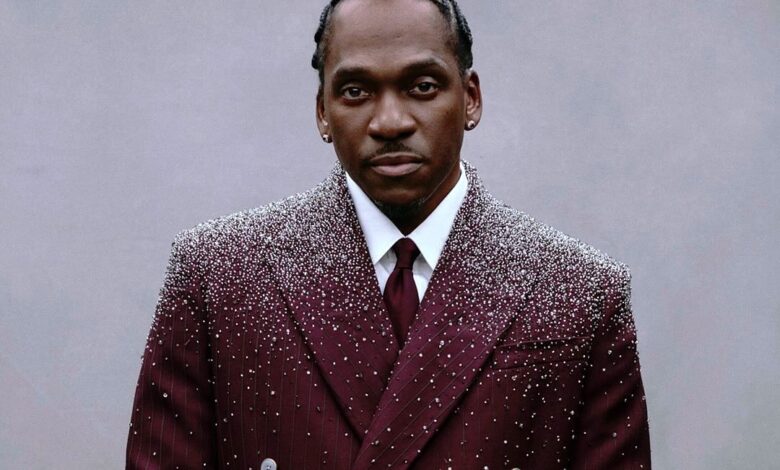
Pusha T is widely recognized as one of hip hop’s most respected lyricists and influential artists, but his talents extend far beyond music. Over the years, Pusha T—born Terrence LeVarr Thornton—has built an impressive portfolio of businesses, leveraging his brand and creativity to make a significant impact in various industries. Here’s a look at some of the key businesses owned or co-owned by Pusha T that showcase his entrepreneurial spirit.
1. GOOD Music
Although founded by Kanye West, Pusha T has played a pivotal role as the president of GOOD Music, Kanye’s record label imprint. Under his leadership, GOOD Music has signed and developed major artists, helping to shape the sound of contemporary hip hop and R&B. His executive position has also allowed him to influence music production and artist development, strengthening his business acumen in the entertainment industry.
2. Heir Wave Clothing
Pusha T co-founded the streetwear brand Heir Wave, blending high fashion with urban culture. The brand reflects his personal style—sleek, bold, and authentic—and caters to fans who want to channel Pusha’s confident, no-nonsense attitude. Heir Wave’s designs often feature minimalistic yet edgy graphics, and the brand has cultivated a loyal following in the fashion community.
3. Virginia Black Whiskey
Pusha T is a co-founder and brand ambassador for Virginia Black Whiskey, a premium whiskey brand known for its smooth taste and luxurious image. Launched in partnership with billionaire businessman Brent Hocking, the whiskey has gained traction among celebrities and whiskey enthusiasts alike. Pusha’s involvement includes creative input on branding and marketing, helping Virginia Black carve out a distinct place in the competitive spirits market.
4. Play Cloths
Though Pusha T is not the founder, he has collaborated closely with Play Cloths, a lifestyle and streetwear brand created by Pharrell Williams. Their partnership extends beyond music into fashion and culture, showcasing Pusha’s ability to create cross-industry alliances that benefit his personal brand and business ventures.
5. Clipse Brand Ventures
As one-half of the legendary hip hop duo Clipse, Pusha T also benefits from joint ventures related to the group’s legacy, including merchandising, music publishing, and special releases. The duo’s reunion album Let God Sort Em Out has reinvigorated interest in their brand, opening doors for potential business expansions tied to their cult following.
6. Creative Direction and Consulting
Beyond formal businesses, Pusha T has built a reputation as a sought-after creative consultant, particularly in the music and fashion industries. His insight into culture, branding, and marketing strategy has led to consulting gigs with major labels and brands looking to tap into authentic hip hop influence.
Pusha T’s evolution from rapper to businessman underscores a growing trend of artists taking control of their careers and diversifying their income streams. By investing in fashion, spirits, and creative ventures, he has positioned himself not just as an artist but as a multifaceted entrepreneur with a lasting legacy. Fans and aspiring entrepreneurs alike can look to Pusha T as an example of how talent combined with savvy business moves can open doors beyond the studio.
With several successful ventures already under his belt, it’s clear that Pusha T’s influence will continue to expand well beyond the music charts.