Kendrick Lamar, Drake, Frank Ocean and Other Major Artists’ YouTube Channels Hacked in Coordinated Attack

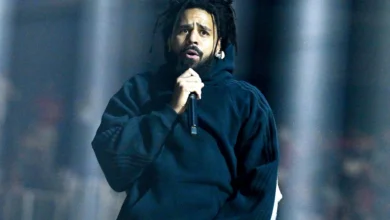
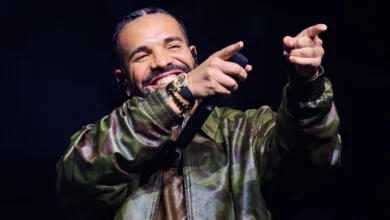
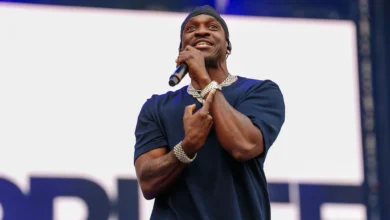
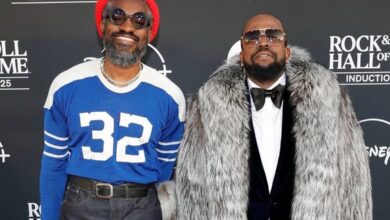
Fans of some of the biggest names in music were left shocked after several high-profile YouTube channels appeared to be compromised in what looks like a coordinated cyberattack. Channels belonging to Kendrick Lamar, Drake, Frank Ocean, Nettspend and several other artists were reportedly hacked at around the same time, creating widespread confusion across social media. During the incident, multiple videos claiming to feature previously unreleased songs were uploaded, leading many fans to question whether the material was authentic. The unexpected activity quickly spread across online platforms as screenshots and clips circulated before many of the uploads disappeared. The incident has once again highlighted the growing cybersecurity challenges faced by major artists and digital content creators.
The hacking affected some of the most recognizable names in the music industry, making the incident particularly notable. Official YouTube channels are trusted by millions of subscribers who expect authentic releases directly from the artists or their management teams. When unauthorized content appears on these verified platforms, it can easily mislead fans into believing the material is legitimate. In this case, several uploads were presented as leaked songs, fueling speculation about unreleased projects and upcoming albums. The coordinated nature of the attack also raised questions about whether the same group was responsible for targeting multiple accounts simultaneously.
One of the biggest talking points surrounding the hack was the appearance of alleged unreleased music. Fans rushed to listen to the uploads before they were removed, hoping to hear new material from artists who rarely release music without extensive planning. Kendrick Lamar, Drake and Frank Ocean are all known for generating enormous anticipation whenever new music is rumored, making their channels particularly attractive targets for hackers seeking attention. Nettspend, one of the fastest-rising names among younger rap audiences, was also reportedly affected during the incident. The combination of established superstars and emerging talent suggested that the hackers were aiming for maximum visibility.
Despite the excitement generated by the uploads, there has been no confirmation that the songs were genuine leaks. Unauthorized uploads often include altered tracks, artificial intelligence-generated vocals, old recordings or fan-made edits designed to appear authentic. Until artists or their record labels verify the material, fans should approach any alleged leaks with caution. False leaks have become increasingly common in the streaming era, especially when they appear during security breaches involving official accounts. As a result, many listeners have chosen to wait for official statements rather than assume the uploaded songs are legitimate.
Cybersecurity experts have repeatedly warned that verified social media and video-sharing accounts remain attractive targets for hackers. These accounts often have millions of followers, allowing unauthorized posts to spread globally within minutes. Hackers may seek financial gain, online notoriety or simply the satisfaction of disrupting high-profile accounts. In some cases, attackers use compromised channels to distribute misleading content, promote scams or leak unauthorized material. The latest incident demonstrates how even some of the world’s biggest artists can become victims of coordinated digital attacks.
The music industry has experienced similar incidents in recent years as cybercriminals increasingly target entertainment platforms. Record labels and management teams invest significant resources in protecting unreleased music because leaks can affect marketing campaigns, streaming performance and album release schedules. When unauthorized material surfaces unexpectedly, artists may lose control over how their work is introduced to audiences. At the same time, fans are often left uncertain about which content is genuine and which has been manipulated. This uncertainty can create unnecessary confusion during major album rollouts.
The response from fans was immediate across social media platforms, where discussions quickly shifted from excitement over possible new music to concern about the security of artists’ digital accounts. Many users shared screenshots of the hacked channels before access appeared to be restored. Others questioned how multiple high-profile accounts could be compromised within such a short period. The incident also sparked conversations about the importance of stronger account security measures, including multi-factor authentication and tighter access controls for official brand accounts. While many of the unauthorized uploads were eventually removed, the event remained a major topic of discussion throughout the day.
Neither the affected artists nor their teams immediately confirmed the authenticity of the alleged leaked songs. Until official statements are released, it remains unclear whether any genuine unreleased recordings were exposed during the breach. Fans are therefore encouraged to rely on verified announcements from the artists rather than unofficial uploads or social media rumors. Official releases continue to be the most reliable source for new music and project updates. This approach helps prevent the spread of misinformation and protects artists’ creative work.
The reported hacking of YouTube channels belonging to Kendrick Lamar, Drake, Frank Ocean, Nettspend and other artists serves as another reminder of the growing cybersecurity risks facing the modern music industry. Although the alleged leaked songs generated significant excitement, their authenticity remains unverified, and the focus has shifted toward understanding how multiple high-profile accounts were compromised at the same time. As artists and their teams work to strengthen digital security, fans will be watching closely for official updates regarding both the cyberattack and the mysterious uploads. Until then, the incident stands as one of the most unusual coordinated breaches to affect major music stars in recent memory, demonstrating how quickly online disruptions can capture global attention.