
Mal Criticizes Complex’s Ranking of Kendrick Lamar’s Not Like Us on Top Los Angeles Rap Songs List
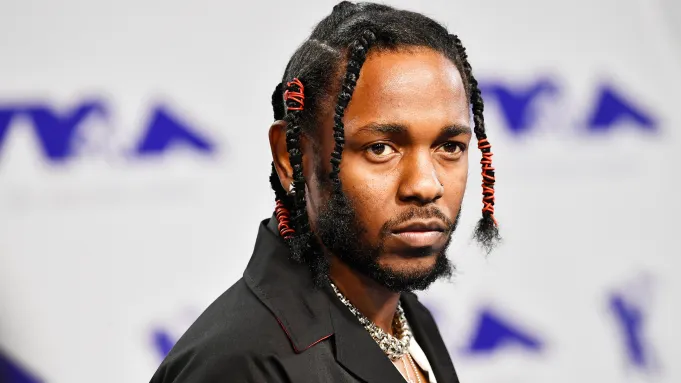
Complex has sparked another major debate within the hip hop community after publishing its list of the Top 100 Los Angeles rap songs of all time. Music rankings have always generated strong opinions, especially when they attempt to compare classics from different eras with newer releases. This latest list was no exception, as fans, artists and commentators quickly began discussing the placements of some of the biggest songs in West Coast rap history. One of the most talked about rankings involved Kendrick Lamar’s chart-topping diss track Not Like Us, which was placed at number five. Among those who strongly disagreed with the decision was podcast personality Mal, who did not hesitate to share his thoughts.
Mal has become one of the most recognizable voices in hip hop media through the success of the Rory & Mal podcast. Alongside Rory, he has built a loyal audience by discussing music, industry news and cultural topics with honesty and strong opinions. The podcast has continued to grow in popularity over the past few years, recently securing a Netflix deal that further highlights its influence in entertainment media. While many fans appreciate the chemistry between the hosts, Mal’s opinions have often divided audiences. His commentary frequently generates debate, particularly when discussing artists involved in high profile rivalries.
Much of the criticism directed at Mal in recent months has centered on his stance during the highly publicized feud between Drake and Kendrick Lamar. Throughout the battle, many listeners felt that Mal consistently defended Drake while being unusually critical of Kendrick Lamar. As a result, some fans accused him of showing bias rather than offering balanced commentary. Although Mal has repeatedly stood by his opinions, his perspective continues to attract both support and criticism. That background made his latest reaction to Complex’s ranking especially noteworthy.
The controversy began after Complex released its list celebrating what its editors considered the greatest Los Angeles rap songs ever recorded. Among the highest ranked tracks was Kendrick Lamar’s Not Like Us, which secured the fifth position despite being only around two years old. The song became one of the biggest hip hop releases in recent memory, dominating streaming platforms, radio stations and cultural conversations during Kendrick Lamar’s feud with Drake. Its commercial success and widespread popularity have made it an undeniable part of modern rap history. However, its placement among decades of iconic West Coast classics immediately divided opinion.
During a recent episode of the Rory & Mal podcast, Mal openly questioned Complex’s decision to rank Not Like Us so highly. He suggested that the publication was engaging in attention seeking by placing the song near the very top of the list. According to Mal, the ranking appeared designed to generate online discussion and increase engagement rather than accurately reflect the history of Los Angeles hip hop. His reaction reflected the frustration of some fans who believe newer songs should not immediately be placed alongside legendary records that have influenced generations. The discussion quickly gained traction across social media as listeners debated whether his criticism was justified.
As Rory continued reading through the rankings, additional songs further fueled the conversation. Snoop Dogg’s timeless classic Gin & Juice appeared at number six, while Warren G and Nate Dogg’s Regulate was ranked at number ten. Mal argued that both of those songs deserved to be placed ahead of Not Like Us because of their lasting impact on West Coast rap and hip hop culture as a whole. In his view, songs that have remained influential for decades should receive greater recognition than a relatively recent release. His comments reflected a broader argument about how musical legacy should be measured.
Mal also emphasized that the age of a song should play a role when compiling all time rankings. He questioned whether a track that has existed for only a few years has had enough time to demonstrate its long term influence. While Not Like Us has already achieved remarkable commercial success and cultural significance, Mal believes history should be allowed to determine its true place among the greatest rap songs ever made. His opinion was largely supported by Baby D during the discussion, while Rory chose not to strongly challenge the argument. Their conversation illustrated how differently people evaluate musical greatness.
The debate also highlights the broader challenge of creating lists that attempt to rank music across different generations. Hip hop has evolved significantly over the past four decades, making direct comparisons between songs from different eras extremely difficult. Editors, critics and fans all bring their own experiences, preferences and definitions of greatness when evaluating music. Some prioritize cultural impact, while others focus on lyrical quality, commercial success or lasting influence. Because there is no universally accepted formula, every ranking inevitably creates disagreement.
Recency bias is another factor frequently mentioned whenever new songs appear alongside long established classics. Recent releases often benefit from fresh cultural relevance and ongoing public discussion, making them feel especially significant in the moment. At the same time, older songs have already proven their staying power by remaining popular across multiple generations. Finding the right balance between current impact and historical influence remains one of the biggest challenges for publications creating all time music lists. This balance is at the center of the debate surrounding Not Like Us and its position among Los Angeles rap’s greatest songs.
Whether fans agree with Complex’s ranking or support Mal’s criticism, the discussion demonstrates the lasting passion that hip hop inspires. Lists celebrating the greatest songs are designed to spark conversation, and this latest ranking has certainly achieved that goal. Kendrick Lamar’s Not Like Us has already established itself as one of the defining rap records of recent years, while classics like Gin & Juice and Regulate continue to represent the foundation of West Coast hip hop. Ultimately, rankings remain subjective, shaped by individual perspectives and changing cultural values. As hip hop continues to evolve, debates like this will remain an important part of celebrating the genre’s rich history and enduring influence.