Tragedy in Atlanta as Rapper Alley Boy Dies at 42 after Long Kidney Health Battle
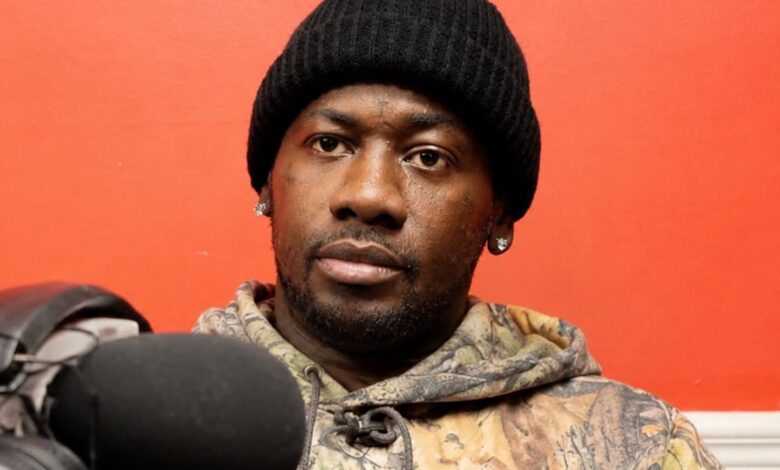
The hip hop community is mourning the loss of Atlanta rapper Alley Boy, whose death has shocked fans, fellow artists and the wider music industry. The rapper, born Curt Freeman, died at the age of 42 after spending several years battling serious kidney disease. News of his passing emerged on Sunday, although no official statement had yet been released by his family or representatives at the time the reports surfaced. His death marks the end of a career that helped shape Atlanta’s influential trap music movement while also highlighting the devastating health consequences of long term substance abuse and chronic illness. As tributes continue to pour in from across the music world, Alley Boy is being remembered not only for his music but also for his honesty, resilience and willingness to share his personal struggles with the public.
Alley Boy earned respect throughout the hip hop industry by building his reputation from the ground up in Atlanta’s competitive underground rap scene. He became closely associated with Zone 6, an area known for producing some of the biggest names in Southern hip hop. His raw storytelling, authentic delivery and street centered lyrics resonated with listeners who appreciated his honesty and refusal to compromise his artistic identity. Over time, he established himself as one of Atlanta’s most respected underground voices, earning admiration from both fans and fellow artists. While he never achieved the same level of commercial success as some of his peers, his influence on Atlanta’s rap culture remained undeniable.
Throughout his career, Alley Boy collaborated with several of hip hop’s biggest names, helping to strengthen his place within the genre. His collaborations included artists such as Gucci Mane, Young Jeezy, Future, Freddie Gibbs, Pusha T, Yo Gotti, Meek Mill and Master P. These partnerships showcased his versatility and ability to adapt his style alongside some of the industry’s most recognizable performers. He also played a significant role in co-founding Duct Tape Entertainment, an independent label that later secured a distribution agreement through Asylum and Atlantic Records. This achievement reflected both his entrepreneurial ambitions and his commitment to creating opportunities within Atlanta’s thriving rap community.
Among his most recognizable releases was the song “Fish Fry,” which became one of the tracks most closely associated with his career. His music often explored real life experiences, struggles and the realities of street life, giving listeners an unfiltered look into his world. Fans appreciated that he rarely attempted to glamorize his hardships, instead presenting them with honesty and emotional depth. His catalog remains an important part of Atlanta’s trap music history and continues to influence younger artists entering the genre. Even years after many of his biggest releases, his music maintained a loyal following among listeners who valued authenticity over commercial appeal.
In recent years, Alley Boy became increasingly open about his declining health, using interviews and social media to document his ongoing medical battle. During an appearance on the A Humble Soul podcast, he revealed that years of drinking lean, combined with complications from high blood pressure, had severely damaged his kidneys. He openly admitted that his past lifestyle choices contributed to his condition and hoped that others would learn from his experience. Rather than hiding his illness, he used his platform to warn others about the long term consequences of substance abuse. His willingness to speak honestly about these issues earned him additional respect from fans who admired his transparency.
By 2024, Alley Boy was undergoing dialysis treatments three times each week while waiting for a kidney transplant. He frequently shared updates about his condition and remained hopeful that a suitable donor would eventually become available. Unfortunately, despite his determination and optimism, the transplant he desperately needed never came. His story highlighted the difficult reality faced by thousands of patients living with kidney failure while waiting for organ donations. It also brought greater attention to the importance of organ donor registration and the urgent need for more available kidney transplants.
Following reports of his passing, many well-known figures within the hip hop community shared heartfelt tributes across social media. Artists and personalities including Big Bank, DJ Scream, Rocko and Hot Boy Turk expressed their sadness while celebrating Alley Boy’s life and legacy. Many described him as a genuine person whose influence extended far beyond his music. Fellow musicians praised his loyalty, honesty and commitment to staying true to himself throughout his career. These tributes reflected the deep respect he earned from those who knew him personally as well as those who admired his contributions to Southern hip hop.
Beyond his musical achievements, Alley Boy leaves behind an important message about personal accountability and the value of making healthier choices. He never avoided discussing the mistakes that contributed to his kidney failure, including his previous use of lean and his history of selling codeine. Instead of making excuses, he accepted responsibility and encouraged younger generations to avoid following the same path. His openness transformed his personal tragedy into an opportunity to educate others about addiction, chronic illness and the importance of seeking help before health problems become irreversible. His story may continue to inspire conversations about prevention and recovery long after his passing.
The death of Alley Boy represents a significant loss for Atlanta’s hip hop community and for fans who followed his journey over the years. His career was built on authenticity, resilience and an unwavering commitment to telling his story without compromise. While his music cemented his place as one of Zone 6’s respected voices, his courage in facing a life threatening illness with honesty added another powerful chapter to his legacy. As friends, collaborators and supporters continue to celebrate his life, Alley Boy will be remembered as an artist whose influence reached far beyond his recordings. His legacy lives on through the music he created, the artists he inspired and the lessons he shared during his final years.