Wu-Tang Clan Halftime Performance Becomes Centerpiece of Knicks Historic Comeback in NBA Finals Game 4
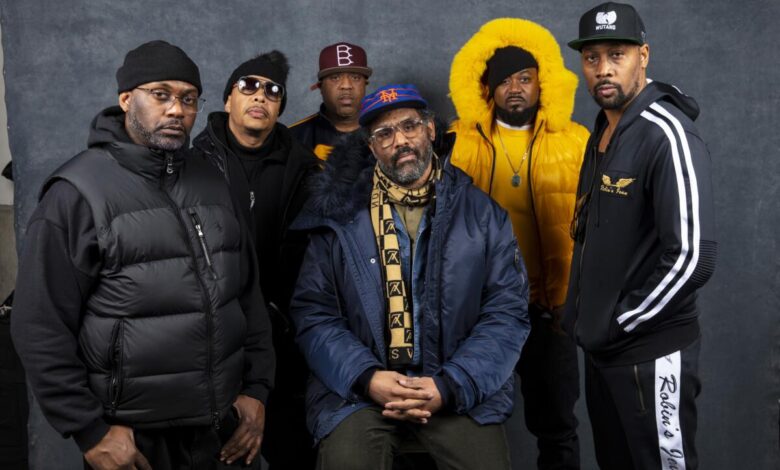
The spotlight of Game 4 of the NBA Finals between the New York Knicks and the San Antonio Spurs quickly shifted away from the scoreboard and toward a cultural moment driven by Wu-Tang Clan, whose halftime performance at Madison Square Garden became a major talking point after an unlikely Knicks comeback. The Knicks trailed by 27 points at halftime, and most viewers expected the game to slip away and the series to reset. Instead, the night turned into a dramatic turnaround that fans are now linking directly to the energy of the iconic hip hop group. Wu-Tang Clan brought a rare live performance atmosphere to one of basketball’s biggest stages, adding intensity to an already high pressure playoff environment. What followed in the second half transformed the event into one of the most discussed games of the postseason.
The halftime performance itself carried significant weight, not just as entertainment but as a moment of identity for the arena and its crowd. Wu-Tang Clan delivered a set filled with classic tracks that energized fans inside Madison Square Garden even as their team faced a massive deficit. The timing created a unique contrast, with celebration and nostalgia unfolding while the Knicks were being outplayed on the court. Despite the scoreline, the crowd remained fully engaged, reacting strongly to every moment of the performance. That energy became a key part of the game’s narrative, as fans later debated whether it helped maintain belief in a comeback that seemed unlikely at the time.
In the second half, the Knicks shifted the momentum through improved defense, faster transitions and more efficient scoring. The Spurs, who had dominated the first half, began to lose control of the game as the Knicks steadily cut into the lead. The comeback reached its peak when OG Anunoby hit a last second basket that completed one of the most improbable turnarounds of the playoffs. The final result stunned both fans in the arena and viewers watching at home, many of whom had already written off the game at halftime. The connection between the Wu-Tang Clan performance and the Knicks’ resurgence became a central storyline in postgame discussion.
On social media, the reaction was immediate, with many fans crediting Wu-Tang Clan for helping shift the emotional tone of the night. Some argued that the group’s presence kept the crowd engaged during a moment when the energy could have dropped completely. Others treated the idea as symbolic, pointing out that momentum in basketball is driven by execution rather than entertainment. Still, the overlap between the halftime show and the second half surge gave the game a cultural layer that extended beyond sports. Wu-Tang Clan’s performance now sits at the center of a narrative where music and basketball intersected in an unforgettable way.
The series now continues with the Knicks holding a crucial advantage and the Spurs facing pressure to respond in Game 5. A win for New York would bring them within reach of a championship opportunity back at Madison Square Garden in Game 6, while San Antonio must regroup quickly to avoid falling into a deep series deficit. Only once in NBA history has a team come back from 3-1 down in the Finals, a feat achieved by the Cleveland Cavaliers in 2016 led by LeBron James against the Golden State Warriors. That history adds weight to every remaining game. For now, Wu-Tang Clan remains the unexpected cultural anchor of a playoff night that turned from collapse into comeback and from halftime performance into legend.