J. Cole and Cam’ron Settle Lawsuit Dispute Over “Ready ’24” in Private Agreement
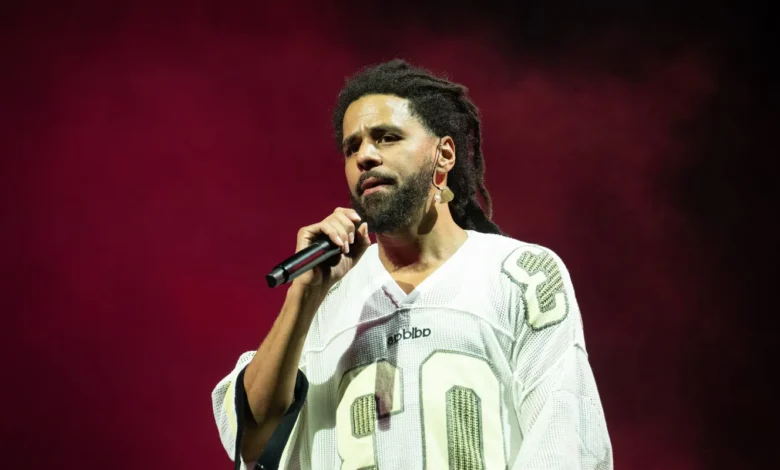
J. Cole, known as J. Cole, and veteran rapper Cam’ron have reportedly reached an agreement in principle to end their legal dispute, according to Billboard. The case centered on a disagreement over compensation and creative expectations tied to the track “Ready ’24.” Cam’ron filed the lawsuit in October 2025, claiming that J. Cole still owed him for his verse and related collaboration terms. The situation quickly drew attention across the hip-hop community because both artists are respected figures with long-standing careers. Legal conflicts between established rappers often attract scrutiny, especially when they involve questions about creative rights and featured performances. This settlement now brings closure to a dispute that had the potential to escalate further in court.
The origins of the lawsuit trace back to Cam’ron’s involvement in J. Cole’s “Might Delete Later” rollout and related promotional activity. Fans appreciated the performance and collaboration energy, but tensions reportedly grew behind the scenes when expectations were not fully met. Cam’ron had allegedly hoped to secure a more direct interview appearance or additional collaboration opportunity tied to the project. When those expectations did not materialize, he moved forward with legal action. His legal team argued that J. Cole’s camp released the recording without fulfilling what they believed were agreed-upon collaboration terms. The disagreement highlighted how informal agreements in music can sometimes lead to misunderstandings when expectations are not clearly documented.
Court filings from Cam’ron’s side stated that J. Cole had not followed through on collaboration commitments tied to “Ready ’24.” His lawyers argued that despite years passing since the initial discussions, no single or podcast appearance materialized as expected. They also claimed that the released recording proceeded without proper resolution of those terms. The legal argument framed the issue as a breach of agreement rather than a creative disagreement. Cam’ron’s team maintained that the dispute was about honoring commitments rather than financial exploitation alone. This perspective helped shape public discussion around artist collaboration standards and how informal deals are interpreted in the industry.
On the other side, J. Cole’s legal representatives strongly rejected those claims and described the lawsuit as unfounded. They argued that Cam’ron had initially supported the use of his performance and only raised objections after the release gained attention. Their position suggested that the expectations being enforced were not part of any binding agreement. They also claimed that the compensation demands exceeded typical industry standards for featured appearances. According to their response, the lawsuit appeared to escalate after the release rather than during the collaboration process. This legal pushback created a standoff that made the case more complex as both sides presented conflicting interpretations of the agreement.
Despite the dispute, both artists eventually engaged in direct conversation and began repairing their relationship publicly. Cam’ron addressed the situation on his show “Talk With Flee,” where discussions helped ease tensions between the two sides. Over time, the tone shifted from confrontation to resolution, suggesting that personal communication played a key role in de-escalating the conflict. Industry observers noted that public disputes between artists often resolve more quickly when private dialogue resumes. The reported agreement in principle signals that both parties have chosen to move forward without continuing litigation. It also reflects a broader pattern in hip-hop where legal disputes are sometimes resolved outside of court after direct engagement.
The resolution brings relief to fans who value both artists’ contributions to hip-hop culture. J. Cole is known for his introspective storytelling and consistent catalog of critically respected albums, while Cam’ron remains a key figure in East Coast rap with a long legacy in shaping the genre’s style and influence. Legal battles between respected artists often create unnecessary tension within fan communities, especially when both sides have contributed significantly to hip-hop history. Settling the matter allows both artists to focus on their music careers rather than courtroom proceedings. It also avoids prolonged public debate over contractual interpretation and creative expectations.
As the agreement closes this chapter, attention now shifts back to music and future collaborations. Both artists have continued to maintain relevance through different projects, media appearances, and ongoing influence in the culture. The resolution may also open the door for future professional interactions without legal barriers. In an industry where collaborations often begin informally, clearer communication has become increasingly important. This outcome reinforces the value of resolving disputes privately when possible, especially among established artists. Fans now wait to see whether this renewed understanding leads to any future creative work between the two.