Rick Ross, Rory, Mal and Biggs Burke Clash Adds New Layer to OVO Drama and ICEMAN Fallout
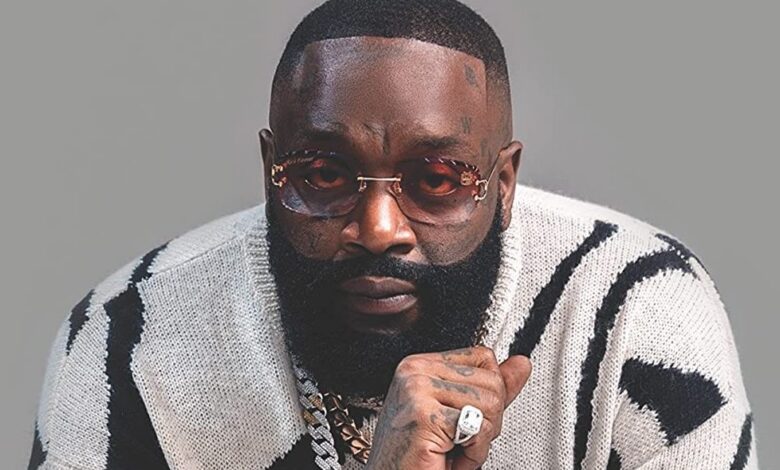
Rick Ross has found himself in another public dispute, this time pulling in media personalities Rory and Mal while reigniting broader tensions tied to Drake and the ripple effects of the album ICEMAN. The situation started as part of ongoing commentary around loyalty and criticism in hip hop circles, but it quickly expanded into direct exchanges involving podcast figures and industry names. Ross, known for his outspoken social media presence and unpredictable responses, shifted attention toward what he called “glazing” behavior directed at Drake. That phrase became central to the online debate as fans tried to interpret the tension between respect, criticism, and personal bias in music discussions. The conflict also reflects how quickly hip hop commentary can spill from podcasts into artist-driven responses online.
The feud intensified when Rick Ross began addressing Rory and Mal, two hosts known for discussing rap culture and industry politics. He accused them of overly praising Drake while ignoring or downplaying criticism from others in the culture. The tone escalated further when Ross referenced Mal’s brother, Kareem “Biggs” Burke, a cofounder of Roc-A-Fella Records. That mention shifted the conversation from podcast commentary to legacy industry figures, adding weight to the public dispute. Ross initially used harsh language and financial claims in a video statement, which immediately drew attention across social platforms. The inclusion of Biggs Burke turned a simple disagreement into a wider discussion about respect, history, and business credibility in hip hop.
Shortly after his initial comments, Rick Ross changed his tone in a follow-up post. He walked back parts of his earlier statements about Biggs Burke and softened his language. He emphasized personal respect while still criticizing what he viewed as excessive praise toward Drake from online commentators. This reversal created confusion among fans who were tracking the back-and-forth in real time. Some interpreted the shift as damage control, while others saw it as a reflection of shifting priorities after backlash began building. The quick change in stance highlighted how fast celebrity disputes can evolve under public pressure.
Reactions from Rory and Mal’s circle remained mostly restrained, with limited direct responses. Their cohost Zip reportedly addressed the situation on their show in a more comedic tone, treating the dispute as part of ongoing internet culture rather than a serious industry conflict. Meanwhile, Mal’s public reaction leaned toward amusement, including social media posts that suggested he was not taking the matter too seriously. The contrast between Ross’s aggressive messaging and the podcast group’s lighter response widened the perception gap between the two sides. This imbalance in tone helped fuel more online commentary than the actual dispute itself.
The backdrop to all of this remains Rick Ross’s complicated relationship with Drake and the broader conversation surrounding ICEMAN. Even though Ross has attempted moments of reconciliation in recent weeks, those efforts appear to have been overshadowed by renewed tension following the album’s release and surrounding discourse. The podcast dispute added another unexpected layer, pulling media voices and legacy figures into an already crowded narrative. At this stage, the situation remains fluid, with no clear resolution or formal statements from all parties involved. The most likely outcome is continued online commentary rather than structured resolution, as each side maintains its position in the public space.