Kanye West’s New Album Bully Sparks Controversy Amid Critical Backlash
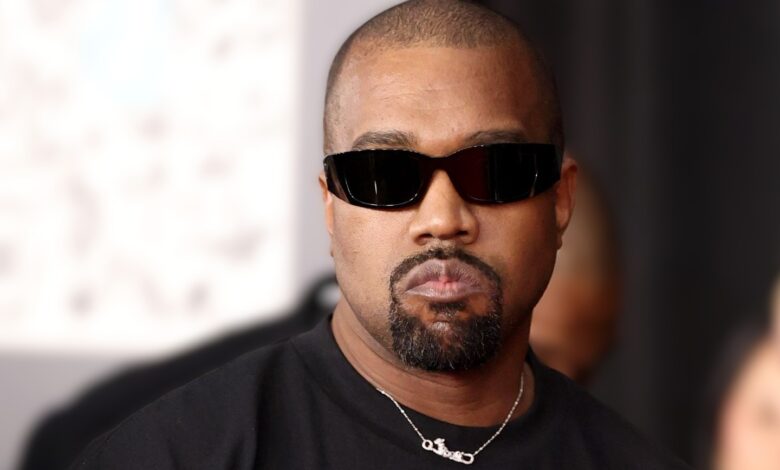
Kanye West’s twelfth album, Bully, has divided listeners, with hardcore fans embracing it while much of the general public remains critical. Major review outlets, including Pitchfork, have weighed in with particularly harsh assessments, giving the record a 3.4 out of 10. This low score aligns with the sentiments of many casual listeners who were disappointed with the album’s direction and production. The divide between fans and critics has been amplified by Kanye’s controversial public image, making responses to his work about more than just music. His distributor, Gamma, has responded vigorously, defending the album while calling out the credibility of critics in a move that has drawn widespread attention on social media.
Gamma’s response to Pitchfork’s review was both fiery and pointed, questioning the outlet’s relevance and track record. On social media, they referenced past controversies, including Pitchfork’s initial low score for Lana Del Rey’s Born to Die, which was later retracted after the album achieved massive commercial success. Fans of Kanye, as well as detractors of Pitchfork, have rallied in the comments, praising Gamma’s defense and dismissing the outlet’s authority. Some even highlighted their loyalty to the distributor, showing strong support for Kanye and his team. This reaction demonstrates the intensity of Kanye’s fanbase and their willingness to defend both his music and his broader public persona, regardless of outside criticism.
The controversy extends beyond album reviews to Kanye’s upcoming live performances, particularly his selection as the headliner for Wireless Festival 2026 in London. Critics argue that his recent history of antisemitic remarks and other public controversies make him a problematic choice for a major event. London’s mayor, Sadiq Khan, and representatives of City Hall emphasized that Kanye’s past actions are offensive and do not reflect the city’s values, although the festival organizers maintain that the decision was their own. The Jewish Leadership Council has also voiced strong opposition, citing rising antisemitism in the UK and the potential negative impact of giving a platform to an artist with such a recent history of controversial statements. These reactions indicate that Kanye’s reputation now carries as much weight as his music when it comes to public and institutional responses.
Kanye West’s Bully and the surrounding controversies illustrate the complexities of modern celebrity, where artistic output is inseparable from personal conduct and public perception. While fans continue to support him vigorously, critics and community leaders are highlighting the broader social implications of promoting an artist with a contentious public record. The discussion around the album, festival appearances, and his ongoing public statements reflects a larger cultural debate about accountability, influence, and the limits of fan loyalty. Kanye’s team and fans are clearly committed to defending him, but the scrutiny surrounding his work and actions shows no signs of easing. Ultimately, the reception of Bully and his festival appearances underscores the tension between artistic freedom, fan support, and social responsibility in today’s music industry.