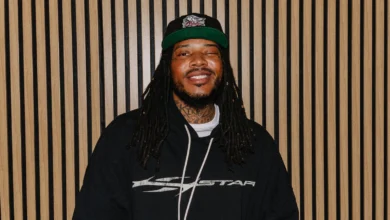
Inside Dr. Dre and Eazy-E’s Beef
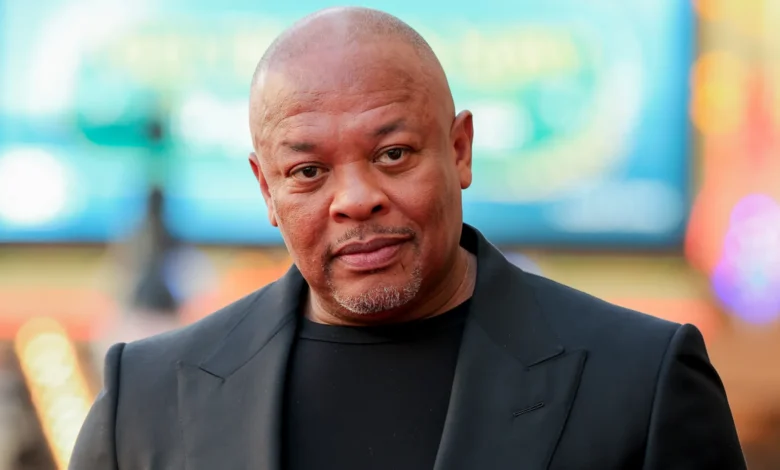
In the world of hip-hop, few feuds have left as significant a mark as the rift between Dr. Dre and Eazy-E. Once close collaborators and founding members of the revolutionary rap group N.W.A, their falling out in the early 1990s transformed not only their personal paths but also the direction of West Coast rap as a whole.
Their story began in Compton, California, during the mid-1980s. Eazy-E, born Eric Wright, was a former drug dealer who transitioned into music and launched Ruthless Records. He assembled a group of talented artists, including Andre “Dr. Dre” Young, Ice Cube, MC Ren, and DJ Yella, to form N.W.A (Niggaz Wit Attitudes). Their 1988 debut album, Straight Outta Compton, revolutionized hip-hop with its unfiltered portrayal of street life and police brutality. Dr. Dre’s production was central to the album’s success, and Eazy-E’s street credibility and business instincts positioned him as the group’s frontman and label head.
However, success brought tension. Dr. Dre and Ice Cube began to question how the group’s earnings were being distributed. Much of the resentment centered around Ruthless Records’ manager, Jerry Heller, whom Dre and Cube suspected of manipulating contracts to favor Eazy-E. Ice Cube left the group in 1989 after a financial dispute, and Dr. Dre followed in 1991, encouraged by Suge Knight. Knight reportedly used intimidation to secure Dre’s release from Ruthless Records and helped him co-found Death Row Records.
Dr. Dre’s debut solo album The Chronic, released in 1992, launched a new era in hip-hop and included several tracks aimed squarely at Eazy-E. The song “Dre Day” featured mocking verses and a parody of Eazy in the music video, further escalating the feud. Eazy-E responded with “Real Muthaphuckkin G’s,” a hard-hitting diss track that accused Dre of abandoning his roots and lacking authenticity. The beef turned personal, with both artists using their platforms to publicly belittle each other.
The feud was about more than insults—it reflected a deeper struggle over creative control, business power, and personal loyalty. While Eazy-E built Ruthless Records into a successful independent label, Dre was determined to control his music and finances on his own terms. Their conflict became emblematic of the battles many Black artists face in seeking fair treatment and ownership in the music industry.
Tragically, in early 1995, Eazy-E was diagnosed with AIDS and died just weeks later at the age of 31. In his final days, reports suggest that he and Dr. Dre may have spoken briefly and exchanged mutual respect. While they never formally reconciled, Dre later expressed sadness that their differences weren’t settled while Eazy was alive.
The beef between Dr. Dre and Eazy-E remains one of hip-hop’s most storied rivalries. It’s remembered not just for the biting diss tracks but for its influence on artist independence, West Coast rap dominance, and the rise of powerhouse labels like Death Row. Their story was dramatized in the 2015 biopic Straight Outta Compton, reminding audiences of the creative fire and real-life tension that shaped a generation.
Though marked by betrayal and competition, the legacy of both men endures. Eazy-E is hailed as a pioneering businessman in rap, while Dr. Dre continues to be celebrated for his innovation and mentorship of future stars. Their feud, complex and tragic, ultimately became a defining chapter in the history of hip-hop.