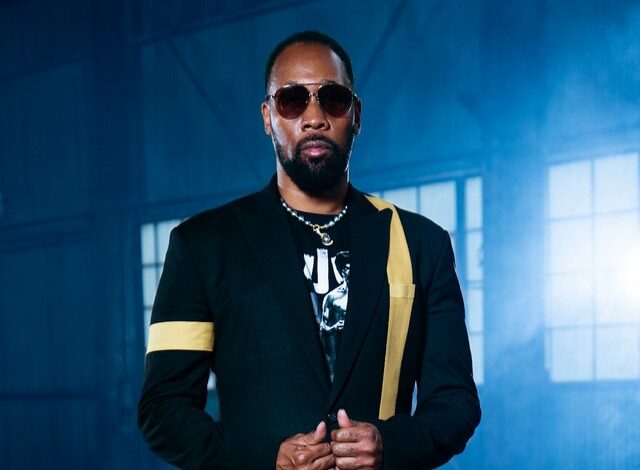
Wu-Tang Clan mastermind RZA has reflected on one of the most controversial moments in the history of hip-hop, when Martin Shkreli purchased the group’s exclusive album Once Upon A Time In Shaolin in 2015. The one-of-a-kind project was created to challenge conventional ideas about music ownership, commercial value and the way artists release their work. However, the album’s unusual concept became entangled with Shkreli’s public reputation after the former pharmaceutical executive faced widespread outrage over his company’s dramatic increase in the price of a life-saving medication. In a recent interview, RZA explained that he initially panicked when he realized who had bought the album, only to discover that the deal had already been finalized. Looking back, the Wu-Tang Clan leader says he has learned to accept Shkreli’s place in the project’s history while maintaining that the album’s artistic purpose remains more important than the controversy surrounding its original owner.
The story has attracted renewed attention following the Netflix documentary The Disciple: A Wu-Tang Fable, which explores the journey of Cilvaringz, the longtime Wu-Tang affiliate who helped bring Once Upon A Time In Shaolin to life. The documentary also provides an opportunity to revisit the creative ambitions behind a project that challenged the music industry’s usual approach to distribution. RZA discussed the film and the album’s history in an interview with PEOPLE, offering insight into the personal decisions that shaped the project’s unusual path. His comments reveal that the sale to Shkreli was not something he initially welcomed without hesitation. Instead, the deal forced him to confront an unexpected conflict between the album’s commercial journey and the values associated with the Wu-Tang Clan’s artistic vision.
Once Upon A Time In Shaolin was conceived as a unique musical work rather than a conventional album intended for widespread digital release. Produced by Cilvaringz with the involvement of Wu-Tang Clan members, the project was designed as a single physical edition, making it unlike the millions of recordings available through streaming services. The concept drew inspiration from the historical treatment of rare art, where an object’s scarcity can become part of its value. By creating only one copy, the artists wanted to challenge the idea that music must be reproduced endlessly to achieve commercial success. The project also raised difficult questions about who should own a musical recording, how its value should be measured and whether exclusivity could encourage people to think differently about music as art.
The album’s sale in 2015 brought those questions into the public spotlight. Martin Shkreli, an investor who became widely known as the so-called pharmaceutical industry’s “pharma bro,” purchased the unique recording for a reported $2 million. At the time, the sale represented a major moment in the project’s unusual commercial experiment. However, the transaction soon became associated with a very different story as public anger over Shkreli’s pharmaceutical business practices grew. His company, Turing Pharmaceuticals, had acquired rights to Daraprim, a medication used to treat certain parasitic infections, and increased its price from $13.50 to $750 per tablet in 2015. The increase of more than 5,000 percent sparked widespread criticism and made Shkreli a symbol of concerns about drug pricing and corporate responsibility.
RZA explained that the timing of the sale played a significant role in his reaction. According to the producer, the deal had been completed before Shkreli became widely known for the controversy surrounding Daraprim. When RZA first learned about the buyer, he understood him through a different personal story, including his background as the son of an Albanian immigrant. RZA said he initially felt proud to work with someone who had built his own fortune, without fully anticipating the public backlash that would follow. Once Shkreli’s reputation became clear, however, the situation changed dramatically. RZA recalled telling his wife that the man buying the album was the same person attracting intense public criticism, prompting him to wonder whether the group could withdraw from the agreement.
That reaction exposed the difficult position RZA found himself in after the deal had been signed. He recalled asking whether they could get out of the agreement, only to be told that the contract had already been finalized. The moment left him feeling that the group had lost control over a decision with significant consequences for its public image. Although the sale had been intended to demonstrate the potential value of a unique artistic creation, the buyer’s reputation threatened to overshadow the creative work itself. RZA’s account shows that even an unconventional project built around artistic independence can become complicated when ownership passes to someone whose actions conflict with the values many listeners associate with the artists. The contract also illustrates how commercial agreements can limit an artist’s ability to influence what happens to a work after its sale.
In reflecting on the controversy, RZA acknowledged that accepting the album’s history was necessary, even though the circumstances surrounding Shkreli’s ownership were uncomfortable. He explained that the deal had been made before the buyer’s reputation became a major public issue, and he no longer sees value in pretending that part of the story can be erased. RZA also suggested that the controversy may have become part of the larger narrative surrounding the project, regardless of whether that was the outcome the artists originally wanted. His position does not mean that he endorses Shkreli’s conduct or dismisses criticism of the pharmaceutical price increase. Rather, he appears to distinguish between the actions of the album’s owner and the artistic intentions behind the music itself.
RZA also credited his mother with encouraging him to give Cilvaringz an opportunity. He recalled that she urged him to support the young artist, saying, “No, give this kid a chance.” RZA said he listened to her advice, a decision that ultimately helped Cilvaringz pursue an ambitious project within the Wu-Tang Clan’s creative world. That detail adds a personal dimension to the story because it shows that the album’s origins involved trust, mentorship and a willingness to support an unconventional idea. Cilvaringz’s role is central to understanding Once Upon A Time In Shaolin, since the project’s significance extends beyond the celebrity of its eventual buyer. The documentary The Disciple: A Wu-Tang Fable brings renewed attention to that journey and to the creative relationships that made the album possible.
The controversy surrounding Shkreli eventually extended beyond his pharmaceutical business practices. In 2017, he was convicted of securities fraud and conspiracy in a case involving investment funds and his former pharmaceutical company, Retrophin. His conviction was not a direct consequence of the Daraprim price increase, but it further damaged his public standing. Following his conviction, Shkreli was required to surrender the Wu-Tang Clan album as part of the legal process connected to his assets. The recording subsequently passed through the United States Department of Justice before being acquired by the digital art collective PleasrDAO, which purchased it in 2021. These developments shifted control of the album away from its original buyer and opened another chapter in its unusual history.
PleasrDAO has pursued initiatives that allow people to engage with the album while maintaining its distinctive status as a rare work. The group has explored ways to share aspects of the recording and its story without treating it like an ordinary commercial release. Those efforts reflect the continuing tension between the project’s original concept and the public’s desire to hear the music. Once Upon A Time In Shaolin was created to question the assumption that music must be widely available to have significant value, yet its limited accessibility has also made it an object of intense curiosity. The album’s legal history and subsequent ownership changes have further complicated the question of how its artistic purpose should be preserved. Its story now includes not only the music and its creators but also the legal and commercial disputes that have shaped its existence.
The project’s intended release restrictions have also contributed to its mythology. The original agreement established that the album could not be commercially released until 2103, although the terms and later developments surrounding access have generated considerable discussion. That long restriction was designed to reinforce the idea that the album should be treated as a unique artistic object rather than a conventional product. At the same time, it raises questions about the relationship between ownership and the public’s interest in hearing music created by an influential group. Limited listening opportunities have made the recording difficult to experience in the way fans normally encounter a Wu-Tang Clan album. Recent attention surrounding Method Man’s opportunity to hear the project for the first time has added another layer to the discussion, highlighting how unusual it is for a member of the wider Wu-Tang family to encounter such a significant recording under restricted circumstances.
For RZA, the lasting significance of Once Upon A Time In Shaolin lies in the creative ambition that inspired it, rather than solely in the identity of the person who purchased it. The album was an attempt to challenge established ideas about music distribution and the financial value of artistic work. Its sale to Shkreli complicated that ambition, turning a discussion about ownership into a wider debate about corporate conduct, public accountability and the responsibilities associated with wealth. Yet the controversy has also ensured that the project remains part of conversations about how music can be created, valued and preserved. The album’s history demonstrates that an artistic experiment can take on meanings its creators did not anticipate once it enters the commercial world.
Ultimately, RZA’s reflections offer a more personal understanding of one of hip-hop’s most unusual album releases. His initial panic over Shkreli’s purchase reveals the uncertainty he felt when the buyer’s public reputation began to overshadow the music. His later acceptance suggests that the album’s history cannot be separated entirely from the circumstances of its ownership, even if those circumstances were never the project’s main purpose. Through Cilvaringz’s creative vision, RZA’s mentorship and the Wu-Tang Clan’s willingness to challenge industry conventions, Once Upon A Time In Shaolin became far more than a rare recording. Its journey through controversy, criminal proceedings and new ownership has turned it into a lasting case study in music, art and commercial value. As interest in the album continues, its most important legacy may be the questions it raises about who controls art, what makes music valuable and whether an ambitious creative idea can retain its meaning when the world around it changes.