
Rick Ross Faces Lawsuit After Alleged Last-Minute Cancellation of North Carolina Concerts
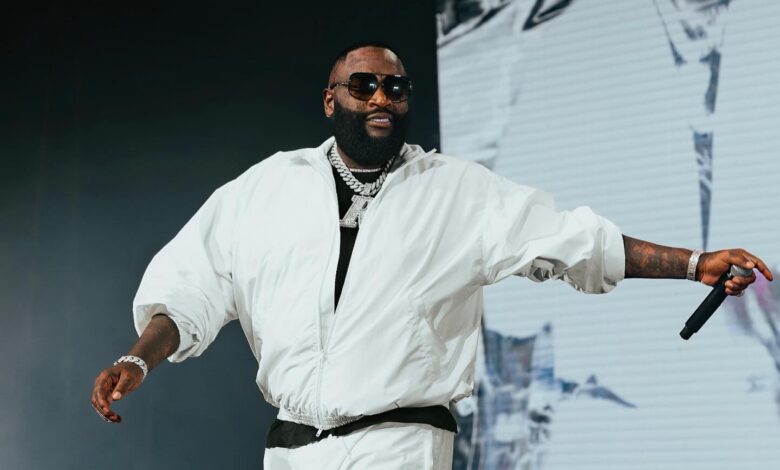
Rick Ross is facing a lawsuit after concert promoter Omega14 Incorporated accused the rapper of backing out of two North Carolina performances at the last minute and appearing in Florida instead. The dispute centers on two concerts scheduled in Greensboro and Charlotte as the final stops of Ross’s Port of Miami 20th Anniversary Orchestra Tour. According to the lawsuit, Omega14 had already committed substantial money to venues, production, musicians, staffing, travel, marketing and other event costs before the shows were canceled. The company claims the cancellations caused more than $261,000 in expenses and lost profits. Ross, Maybach Music Group and his touring company are named as defendants, and Ross had not publicly responded to the lawsuit at the time of the latest reports.
The concerts were part of a major anniversary tour celebrating 20 years of Ross’s debut album, Port of Miami, which was released in 2006. The tour was designed around live orchestral performances, with Ross performing his catalog alongside the Renaissance Orchestra and the Sainted Trap Choir. The Greensboro concert was scheduled for August 28, 2026, followed by the Charlotte performance on August 29. Omega14 says Ross was contractually required to perform for at least one hour at each event. The organizer also claims the agreement allowed cancellation only in circumstances involving severe injury or death.
According to Omega14’s complaint, the cancellation notice came on the afternoon of the Greensboro concert. The company alleges that Tawanda Roberts, a Maybach Music Group manager and Ross’s sister, contacted organizers around 1 p.m. and said Ross would not perform in Greensboro or Charlotte. That timing is a major part of the promoter’s allegations because many of the costs connected to the concerts would already have been committed by the day of the performance. Omega14 says it did not receive a concrete explanation that would justify canceling the shows under the terms it says were included in the agreement. The company also claims that it was not reimbursed for the money it had already spent preparing the two concerts.
The financial dispute is at the center of the lawsuit. Omega14 says its losses totaled approximately $261,000, including venue bookings, production management, orchestra-related expenses, staffing, transportation, lodging, advertising, ticket management and alleged lost profits. The company claims the financial damage extended beyond its own business because musicians, crew members, venues and other workers were also involved in the planned productions. Omega14 further alleges that tickets had already been sold for both North Carolina shows, with the Charlotte event reportedly close to capacity. The promoter is seeking compensation through the legal action, although the final amount it could recover, if any, will depend on the court proceedings and the evidence presented by both sides.
The Florida performances are an important part of Omega14’s case. The promoter alleges that Ross performed in Orlando and Miami Beach on the same days that he was scheduled to perform in North Carolina. Omega14 argues that these appearances are difficult to reconcile with an inability to perform because of severe injury or illness, particularly given the alleged cancellation terms in the contract. However, the lawsuit itself does not establish that Ross breached the agreement or determine why the North Carolina concerts were canceled. Those issues remain disputed and would have to be addressed through the legal process.
The timing of the cancellations also affected fans who had purchased tickets. When a major concert is canceled close to its scheduled start, the impact can extend beyond the artist and promoter because venues, musicians, technicians, security workers, transportation companies and hospitality businesses may already have made arrangements. Refunds can also become necessary when an event cannot be rescheduled. In the case of the Greensboro and Charlotte shows, the cancellations ended the planned North Carolina conclusion to Ross’s 20th anniversary orchestra tour. The allegations therefore involve both a contractual dispute and the wider financial consequences that can follow a late concert cancellation.
Ross’s Port of Miami anniversary tour carried particular significance because the album marked the beginning of his career as a major recording artist. Port of Miami was released in August 2006 and debuted at No. 1 on the Billboard 200. The 20th anniversary tour was built around a more elaborate presentation than a standard rap concert, combining Ross’s music with a live orchestra and choir. Ross had promoted the concept as a celebration of the album and his career. The canceled North Carolina dates were scheduled to serve as the final two performances of the announced tour itinerary.
The lawsuit arrives during a period of increased media attention surrounding Ross. His former girlfriend Jazzma Kendrick recently made separate allegations of physical abuse against him, including a claim that he left her with an injured lip. Those allegations are separate from the concert lawsuit and have not been established as facts in court. Ross had not publicly responded to Kendrick’s allegations in the latest reports. The concert dispute should likewise be viewed through the distinction between allegations contained in a legal complaint and facts that a court may ultimately determine.
The North Carolina lawsuit now puts attention on the contract between Omega14 and Ross’s business entities. The central questions include whether Ross was obligated to perform under the agreement, whether the cancellation violated its terms, what reason was given for the decision and whether Omega14 can prove the losses it claims. The alleged Florida performances could also become relevant if the parties dispute whether Ross was physically able to perform during the North Carolina dates. Ross and the other defendants will have an opportunity to respond to the allegations as the case moves forward. Until the legal process produces findings or a settlement, claims made by Omega14 remain allegations rather than established conclusions.
For Rick Ross, the dispute adds another legal challenge to an already busy news cycle. For Omega14, the case is primarily about the financial consequences it says followed the cancellation of two heavily planned concerts. The promoter claims it spent hundreds of thousands of dollars preparing the Greensboro and Charlotte events and was left without reimbursement after the performances were called off. The allegations about Ross appearing in Florida on the same dates form a significant part of the promoter’s argument. What ultimately happened, whether the contract was breached and whether the requested $261,000 is recoverable will be determined through the legal proceedings.