Colin Kaepernick Responds To Jay Z Over NFL Deal And Protest Dispute
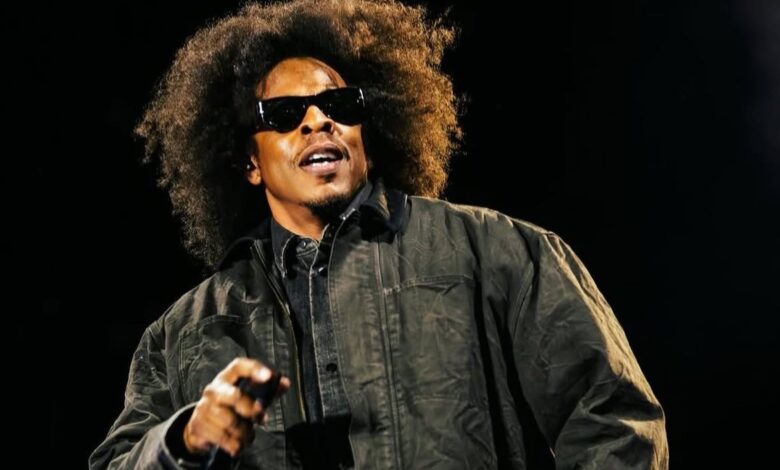
The long running disagreement between Jay Z and Colin Kaepernick has returned to the spotlight after the former NFL quarterback responded to comments made by the rapper during a recent freestyle. The relationship between the two figures became complicated after Jay Z’s Roc Nation entered a partnership with the NFL focused on entertainment and social justice initiatives. Jay Z presented the partnership as an opportunity to create meaningful change from within one of America’s most powerful sports organisations. Kaepernick, however, viewed the arrangement differently and questioned whether working with the league undermined the protest movement he helped bring to international attention. Years later, their disagreement continues to raise questions about activism, corporate partnerships and the different ways public figures approach social change.
Kaepernick became one of the most recognisable figures in the fight against racial injustice after kneeling during the United States national anthem to protest police brutality and racial inequality. His decision sparked a nationwide debate and eventually became a global symbol of protest. Although he faced intense criticism, Kaepernick continued advocating for racial justice after leaving the NFL. His activism also contributed to wider discussions about the treatment of Black athletes and the responsibilities of major sporting organisations. Jay Z was initially a prominent supporter of Kaepernick’s activism, making the later disagreement between the two particularly significant.
The relationship changed after Roc Nation reached a partnership with the NFL. The agreement gave Jay Z’s company a role in entertainment programming, including the Super Bowl halftime show, while also involving social justice initiatives. Jay Z argued that having access to the league offered an opportunity to influence decisions and create change at a much larger level. Kaepernick and some of his supporters saw the partnership as a departure from the protest movement that had challenged the NFL. The disagreement ultimately became a broader debate over whether meaningful change is more effectively achieved through protest outside powerful institutions or through influence from within them.
The issue resurfaced during Jay Z’s recent performance at Yankee Stadium, where the rapper referenced Kaepernick in a freestyle. His comments reportedly addressed the controversy surrounding their relationship while also challenging criticism directed at him over other business partnerships. Jay Z suggested that Kaepernick had accepted money connected to their dispute and referred to a non-disparagement clause. Those claims quickly attracted attention because they touched on a private disagreement that had remained unresolved in the public eye. The comments also prompted people close to Kaepernick to challenge the account presented in the freestyle.
Representatives and alleged sources close to Kaepernick disputed the claim that he had signed a non-disparagement agreement. They also indicated that details surrounding a deal between Kaepernick and Roc Nation remained private because of legal disputes and allegations involving blackballing. The disagreement therefore involves more than a public argument between two prominent figures. It also includes competing accounts about negotiations, contracts and the circumstances surrounding Kaepernick’s relationship with the NFL and Jay Z’s company. Without access to the private agreements, many details remain contested rather than established facts.
Kaepernick has now offered a direct response to Jay Z’s comments, and his latest remarks suggest that the dispute remains significant to him. Speaking at the National Black Footwear Forum in Detroit, he discussed the issue during a conversation with journalist Jemele Hill. The event also provided an opportunity for Kaepernick to promote his upcoming book, The Perilous Fight. When the conversation turned to Jay Z’s freestyle, Kaepernick said he was surprised that the issue remained so prominent for the rapper years after the Roc Nation and NFL agreement. His response suggested that he believes Jay Z’s decision to reference the dispute again says something about how the rapper views the controversy himself.
Kaepernick also challenged the comparison between his situation and Jay Z’s business decisions. He argued that the circumstances surrounding his relationship with the NFL were fundamentally different from Jay Z entering into a partnership with the league. According to Kaepernick, he was effectively pushed out of the NFL after his protest while the league later approached him about potential opportunities. He rejected the idea that accepting a deal in such circumstances could be equated with Jay Z voluntarily entering a partnership with the organisation. His argument focuses heavily on the power imbalance he believes existed between himself and the NFL.
The former quarterback also questioned the purpose behind the NFL’s attempts to engage with him after his protest became a major issue. Kaepernick suggested that the league wanted to present a Black figure who could help ease pressure surrounding the protests without addressing the deeper issues that had motivated them. That interpretation remains central to his criticism of the NFL and helps explain why he reacted strongly to Jay Z’s partnership with the organisation. From Kaepernick’s perspective, the issue was never simply about whether money or business opportunities were involved. It was about whether institutions were genuinely addressing racial injustice or attempting to manage public criticism.
Jay Z’s position has been notably different. His approach has centred on the idea that access to powerful organisations can create opportunities to produce tangible changes that protests alone may not achieve. His partnership with the NFL allowed Roc Nation to influence entertainment decisions while becoming involved in initiatives related to social justice. Supporters of this approach argue that working within major institutions can provide resources, visibility and influence that can translate into practical outcomes. Critics, including Kaepernick, have questioned whether those relationships risk weakening the pressure needed to force institutions to confront uncomfortable issues.
The continuing disagreement between Jay Z and Colin Kaepernick therefore represents a larger debate about activism and power. Protest can draw attention to injustice and force institutions to respond, while strategic partnerships can create opportunities to influence those institutions directly. Neither approach automatically guarantees meaningful change, and the effectiveness of either strategy depends on what happens after public attention fades. The disagreement also demonstrates how difficult it can be for prominent activists and business leaders to maintain a shared vision once their strategies begin to diverge. What started as a relationship built around support for racial justice eventually became a public disagreement over the best way to pursue that goal.
Kaepernick’s latest comments indicate that he has not forgotten the controversy surrounding Jay Z’s NFL partnership, even though several years have passed since the deal was announced. His criticism focuses on the different circumstances surrounding their respective relationships with the league and the broader question of whether corporate partnerships can coexist with protest movements. Jay Z’s decision to revisit the issue during a major performance has ensured that the disagreement remains part of the public conversation. For now, the two men continue to offer sharply different interpretations of the same period in their careers. Their dispute is likely to remain a point of discussion because it reflects a much wider argument about activism, business, race and the difficult choices public figures face when challenging powerful institutions.