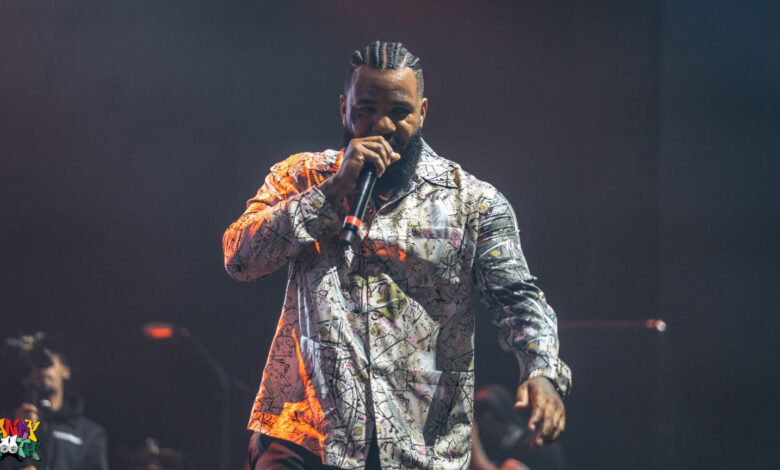
The Game has revealed that fans are only hearing a more restrained version of “No Brakes,” his collaboration with Drake on The Documentary III. While promoting the album on Real 92.3 L.A., the Compton rapper explained that the song went through several versions before the final recording reached streaming platforms. According to Game, some of the earlier versions contained lyrics that were considerably more confrontational than what listeners hear today. He ultimately decided to remove certain material and make broader changes to the album so the music would receive more attention than ongoing hip-hop conflicts. The revelation adds another layer of intrigue to The Documentary III and raises questions about what may still exist in Game’s vault.
“No Brakes” was already attracting attention because of the pairing of The Game and Drake. Their collaboration arrived at a sensitive time for West Coast hip-hop, particularly because of Game’s long-standing relationships with both Drake and Kendrick Lamar. The two artists have been connected to different sides of some of rap’s biggest disputes, making Game’s decision to work with Drake a subject of discussion among fans. Rather than allowing those debates to dominate the album, Game says he deliberately changed parts of the project. His comments suggest that the final version of The Documentary III represents a conscious attempt to put the music ahead of personal tensions.
The Game explained that “No Brakes” was not recorded just once before its release. He indicated that there were roughly three versions of the track, along with additional variations, and described some of the unused material as being much less diplomatic. That revelation is significant because it means the version currently available to listeners may not represent the full extent of what Game originally wanted to say. The rapper also left open the possibility that another Drake verse or additional material could exist somewhere, although he did not confirm that such recordings will ever be released. For fans who follow rap’s behind-the-scenes creative process, the existence of multiple versions makes the song even more interesting.
Game’s decision to make changes was not limited to “No Brakes.” He explained that he altered the album extensively while preparing the final version because he wanted listeners to focus on the music rather than conflict. That approach appears to have influenced the way he handled potentially controversial lyrics throughout The Documentary III. Instead of using the project as another platform for addressing disputes, he wanted the album to stand on its own as a body of music. This decision also reflects the complicated position Game occupies within West Coast rap, where his relationships with major artists can attract almost as much attention as his songs.
The lyrics on “No Brakes” nevertheless generated plenty of discussion. Game delivers the line, “If I have to pick a side, I’m choosing homicide,” which some listeners interpreted as an indication that he was firmly siding with Drake in the wider tensions involving Kendrick Lamar. The line naturally attracted attention because of Game’s history with Kendrick and his friendship with Drake. However, Game has pushed back against the idea that the song was intended as a direct attack on his fellow Compton artist. His explanation about removing more aggressive material provides additional context for understanding why the final version may sound less confrontational than earlier recordings.
Game’s comments also suggest that the revisions were motivated by something larger than protecting a particular artist. When asked whether he made the changes to protect certain individuals, he explained that his priority was protecting the West Coast as a whole. That distinction is important because it frames his decision as an attempt to prevent another cycle of conflict rather than an effort to shield one person from criticism. Game appears to believe that another album centred on rap beefs would distract from the musical legacy he wants The Documentary III to establish. By removing some of the more provocative material, he could present the project as a celebration of hip-hop and his own career rather than another chapter in a public feud.
The decision also highlights how much editing can happen between an artist’s initial recording sessions and the final album. Rappers often record multiple versions of songs, rewrite verses and remove lines before a project reaches the public. In Game’s case, those revisions appear to have been particularly significant because the subject matter could have generated substantial controversy. The rapper chose to reconsider material that might have shifted attention away from the music and toward arguments involving other artists. That process demonstrates how an album’s final message can change considerably during the later stages of production.
For fans, the most intriguing question now concerns what happened to the unused versions of “No Brakes.” Game has not revealed the specific lyrics that were removed, and he has not confirmed whether the alternate recordings will ever be released. The possibility of another Drake verse also remains unclear, with Game suggesting that additional material could exist while stopping short of confirming it. Unreleased versions often become a source of fascination for hip-hop audiences, particularly when they involve major artists and controversial moments. If the alternate recordings ever surface, they could provide a clearer picture of how dramatically Game changed the song before deciding on the version available today.
The story also adds weight to The Documentary III as a carefully constructed project rather than a simple collection of new recordings. Game appears to have made deliberate choices about what he wanted the album to represent and what he wanted listeners to take away from it. His willingness to remove provocative material shows that he understood the potential consequences of allowing certain lyrics to dominate the conversation. At a time when social media can turn a single rap line into a major controversy within hours, controlling the final message of an album can be especially important. Game’s revisions allowed him to maintain his relationships while keeping the focus on the music.
The revelation about the alternate “No Brakes” versions ultimately makes the collaboration with Drake even more compelling. The released track represents only one stage in a creative process that apparently included more aggressive recordings and significant revisions. Game’s decision to remove some of those elements reflects his desire to protect the broader West Coast hip-hop community and prevent The Documentary III from becoming another vehicle for conflict. While fans may continue wondering what was said in the unreleased versions, Game has made it clear that the final album was shaped by a conscious effort to prioritise music over controversy. For now, “No Brakes” stands as the version Game chose to release, while the more confrontational recordings remain an intriguing piece of hip-hop history that may never be heard.