Lupe Fiasco’s Ongoing Kendrick Lamar Commentary Sparks Debate Over Hip-Hop Skill and Media Narratives
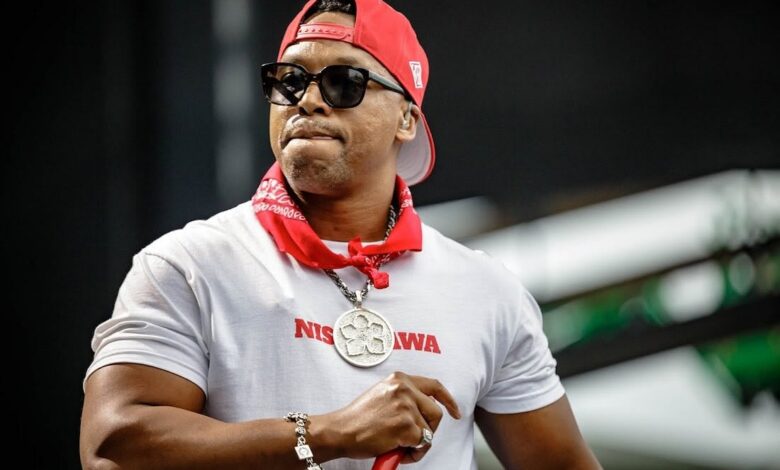
Lupe Fiasco’s long-running commentary about Kendrick Lamar continues to generate debate across hip-hop spaces, especially as fans revisit past interviews and livestream moments that keep resurfacing online. The discussion often intensifies whenever Kendrick achieves a major milestone, such as award wins or high-profile recognition, which brings renewed attention to comparisons between the two artists. Lupe has consistently framed his remarks as responses to external conversations rather than personal attacks, arguing that media and fans repeatedly push him into discussions about Kendrick. This has created a cycle where each new clip or quote fuels another round of debate about intent, bias, and lyrical standards in hip-hop. As a result, what began as technical commentary about rap skill has evolved into a broader cultural talking point.
Kendrick Lamar remains one of the most decorated and widely respected figures in modern hip-hop, with a career defined by critical acclaim and commercial success. His achievements, including a record number of Grammy wins for a rapper and continued influence on contemporary rap storytelling, have placed him in constant comparison with his peers. Even during periods without new releases, such as the time following his 2024 album GNX, his presence in award discussions and cultural rankings remains strong. This visibility has contributed to ongoing debates about whether awards reflect recent output or long-term impact. It is within this environment that Lupe Fiasco’s comments tend to resurface and gain traction.
A recent livestream appearance on KoalaTea Reacts’ YouTube channel brought Lupe Fiasco back into the conversation, where he addressed how frequently Kendrick Lamar’s name is brought up in discussions involving him. During the exchange, Lupe pushed back on the idea that he was actively seeking out comparisons, stating that he often responds only when prompted. He emphasized that much of the narrative surrounding him and Kendrick is shaped by repetition from outside voices rather than his own initiative. The discussion escalated as both sides debated the nature of these comparisons, leading to renewed attention on Lupe’s long-standing position regarding lyrical skill and artistic evaluation. Clips from the livestream quickly circulated on social media, amplifying the conversation.
In those clips, Lupe Fiasco acknowledged that audiences often expect him to comment on Kendrick Lamar due to his past statements. He suggested that the expectation itself has become part of the issue, making it difficult to separate his views from the broader discourse around Kendrick’s status in hip-hop. Lupe stated that he believes he cannot control how his words are interpreted or repeated once they enter online spaces. He also expressed frustration that much of the focus tends to ignore other aspects of his commentary. This reflects a recurring theme in his public appearances, where selective clips often shape public perception of his stance.
Lupe has also previously drawn distinctions between different aspects of artistry when comparing himself to Kendrick Lamar. He has stated that he views Kendrick as a stronger overall artist in terms of albums, production choices, and team execution. However, he has maintained that when it comes to pure lyricism and technical bar-for-bar ability, he sees himself as superior in that specific category. He has further argued that many talented but lesser-known rappers also exist who excel in lyricism, suggesting that mainstream recognition does not always align with technical skill. These statements have been widely shared and debated, often without full context.
The response from fans has been divided, with some interpreting Lupe Fiasco’s remarks as a genuine critique of how lyricism is evaluated in modern hip-hop. Others view the ongoing comparisons as unnecessary or influenced by frustration over differing levels of commercial success. Social media discussions frequently question whether the dynamic between Lupe and Kendrick is driven by competitive analysis or by external narratives amplified through repetition. Some fans argue that Lupe is defending a specific standard of rap skill that he believes is overlooked in mainstream conversations. Others suggest that the constant comparisons create tension that may not reflect the artists’ actual intentions.
This ongoing debate highlights a larger issue within hip-hop culture around how artists are ranked and compared in real time. The genre often blends subjective interpretation with measurable success, creating space for conflicting opinions about what defines greatness. Lupe Fiasco’s commentary sits at the intersection of these debates, where technical skill, commercial impact, and cultural influence all compete for priority. Kendrick Lamar’s continued dominance in awards and influence ensures that he remains a central reference point in these discussions. As long as that remains the case, comparisons are likely to persist.
At the center of the conversation is a broader question about how hip-hop discourse is shaped online and through media repetition. Lupe Fiasco has repeatedly suggested that he is drawn into these discussions more by audience demand than by personal intent. Whether viewed as critique, competition, or misunderstanding, the ongoing exchange between perception and intent continues to fuel debate. As fans continue to analyze both artists’ legacies, the conversation shows no sign of slowing down.