Lupe Fiasco Sparks New Conversation Around Jay-Z, Dame Dash and Drake in Ongoing Roc-A-Fella Debate
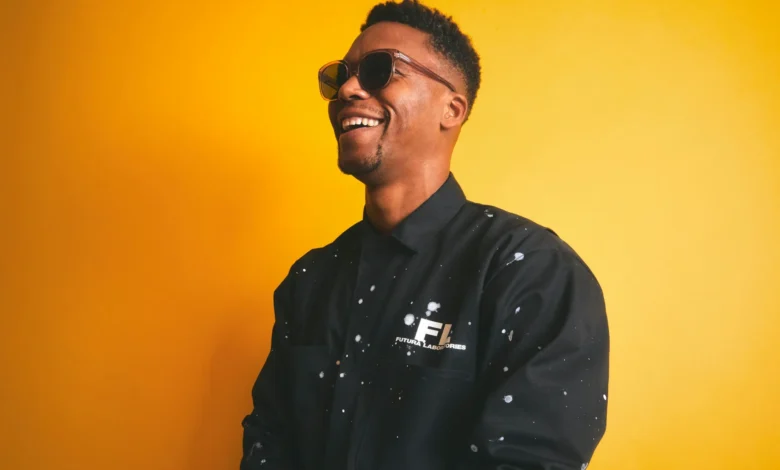
Hip-hop conversations around legacy, ownership, and business decisions have taken another turn after Lupe Fiasco weighed in on the long-running dispute involving Dame Dash and the ownership of Jay-Z’s classic album Reasonable Doubt. Lupe recently suggested that Drake should consider purchasing Dame Dash’s remaining share of the album, a comment that immediately added fuel to an already complex history. The discussion comes at a time when hip-hop figures continue to revisit the business foundations of Roc-A-Fella Records and how early decisions shaped long-term wealth and control. Lupe’s statement has been interpreted as both commentary on music ownership and a provocative idea about how modern artists could reshape legacy catalog control. The result is another moment where rap culture, business history, and fan debate intersect in real time.
The background to this conversation resurfaced after Dame Dash appeared on The Art Of Dialogue and revisited his long-standing split with Jay-Z. In the interview, Dame reflected on their past working relationship and made broader comments about Jay-Z’s competitive mindset in both rap and business. He suggested that Jay-Z often viewed other rappers as competitors first, even when there was mutual influence and admiration involved. Dame also revisited the period when Lupe Fiasco was reportedly considered for Roc-A-Fella Records, claiming there was interest but no final signing. According to Dame, Lupe was ultimately not brought into the label despite early discussions, and he later signed with Atlantic Records instead. These recollections added another layer to ongoing debates about missed opportunities and label decisions during hip-hop’s early 2000s expansion.
Dame Dash’s comments also touched on broader assumptions about how Jay-Z operated as an executive during that era. He suggested that it was unlikely Jay would help another rapper surpass him in stature, framing it as a natural competitive instinct within the industry. While this interpretation remains subjective, it reflects long-standing narratives about the balance between mentorship and competition in hip-hop leadership. The mention of Lupe Fiasco in this context reignited interest in how different artists were evaluated during Roc-A-Fella’s peak years. It also reminded fans that many deals and near-signings in hip-hop history remain partially documented and heavily debated. These kinds of stories continue to shape how audiences view the business decisions behind iconic careers.
Lupe Fiasco’s connection to this history is not new, as earlier accounts from his mentor Charles “Chilly” Patton have also highlighted complications surrounding label negotiations in the mid-2000s. Patton previously described conversations involving Jay-Z, Atlantic Records, and Def Jam that influenced Lupe’s early career direction. Those discussions reportedly included shifting label leadership plans and changing expectations about where Lupe would land professionally. The outcome placed Lupe at Atlantic, where he launched his debut album and built his reputation as one of hip-hop’s most lyrically respected artists. These behind-the-scenes stories have continued to resurface over time, especially when industry veterans revisit the same era from different perspectives. They also show how business uncertainty often shaped artist trajectories during a transitional period in the music industry.
The recent suggestion involving Drake adds a modern twist to this historical narrative and reflects how current superstars are now being linked to legacy ownership debates. Lupe’s idea positions Drake as a potential buyer in a scenario that blends old label disputes with today’s financial power in streaming-era hip-hop. It also highlights how Reasonable Doubt remains a valuable cultural asset tied to both artistic legacy and business control. Conversations like these show how hip-hop continues to revisit its foundational contracts, ownership splits, and unresolved business tensions. As Dame Dash continues to speak publicly and artists like Lupe Fiasco comment on legacy matters, the discussion around Roc-A-Fella’s history remains active rather than settled. The debate is less about a single album and more about how control, influence, and ownership continue to shape hip-hop’s present and future.