Lil Tjay Sparks Attention With “Go Tati” Diss Track Aimed At Real Boston Richey
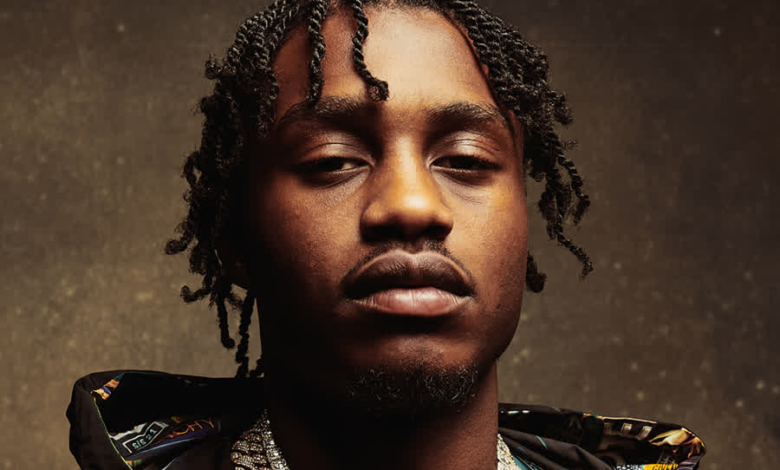
Lil Tjay is once again dominating hip hop conversations after releasing a new song titled “Go Tati,” a track that appears to take direct shots at Real Boston Richey amid the growing controversy surrounding Tatiana Chanell. The release arrived as part of the deluxe version of Tjay’s latest album, They Just Ain’t You, which recently dropped and immediately drew attention from fans across streaming platforms and social media. The deluxe edition, officially titled Big One Edition, includes “Go Tati” as its standout bonus track, and many listeners believe the song marks one of Tjay’s most aggressive records in recent memory. Hip hop fans quickly began dissecting the lyrics online, pointing out references that appear connected to the allegations currently surrounding Boston Richey. With rap feuds often unfolding publicly through music and social media, Tjay’s latest move has added another layer to an already heated situation that continues to gain traction online.
The controversy surrounding Tatiana Chanell has become a major talking point in hip hop culture over the last several weeks. Chanell publicly accused Real Boston Richey of abusive behavior, kidnapping and grooming allegations that immediately sparked intense reactions online. While Boston Richey’s supporters have defended him, critics have continued to analyze every new development connected to the claims. Against this backdrop, Lil Tjay’s decision to release “Go Tati” has been viewed by many as a calculated move that places him directly in the middle of the conversation. Rap music has long served as a platform for artists to address controversy, defend themselves or attack rivals, and Tjay appears to be leaning fully into that tradition. Instead of staying silent while the allegations dominate social media timelines, he used his music to make his stance clear and generate even more discussion around the issue.
The lyrics on “Go Tati” leave little room for interpretation, according to many listeners. Tjay directly references Tatiana while also using wordplay that fans believe clearly targets Real Boston Richey. One of the most discussed lines comes when Tjay raps, “She said she don’t want no rat no more, shawty want a goon.” He follows that up with another pointed lyric aimed at online behavior and alleged snitching, saying, “On the ‘Gram tellin’ your business like he tellin’ in that room.” The lyrics continue escalating as Tjay delivers the song’s hook with the line, “What you say? Go Tati, do your big one. Know you want a Richie, he keep playin’, you gon’ get one.” These bars immediately spread across social media platforms, with fans debating whether the track represents one of the boldest rap responses to a real life controversy this year.
As the song progresses, Lil Tjay continues taking aim at Boston Richey with insults designed to question both his credibility and financial status. In another sharp lyric, Tjay raps, “None these goofies gettin’ saved, who allowed these boys to rap? I could tell how he stay postin’ 20s, he got baby racks.” The aggressive tone of the record has resonated with fans who enjoy direct confrontation in rap music. Diss tracks have always played a major role in hip hop culture, often becoming defining moments in artists’ careers when executed effectively. While some listeners see “Go Tati” as a strategic and entertaining record, others believe inserting himself into a serious situation involving allegations may create backlash for Tjay. Regardless of where listeners stand, the song has succeeded in creating conversation and driving more attention toward both the album and the ongoing controversy.
The release of “Go Tati” also comes during a week in which Lil Tjay faced criticism for his promotional tactics online. Earlier in the week, some social media users accused the rapper of trying too hard to gain attention after he publicly asked popular streamers like DDG, PlaqueBoyMax and N3on to react to his album. Critics argued that asking creators for reactions looked desperate, while supporters defended the move as smart marketing in today’s digital entertainment landscape. Music promotion has changed dramatically over the last decade, with artists increasingly relying on livestreamers, influencers and viral clips to push records into public conversation. Tjay’s approach reflects the reality of the modern rap industry, where visibility and engagement often determine a project’s commercial success. Even negative attention can generate streams and online debate, something many artists understand well.
The timing of the deluxe edition release appears intentional, especially considering how quickly discussions about “Go Tati” spread online after the track became available. Social media users immediately began posting clips, lyric breakdowns and reaction videos discussing every line connected to Boston Richey and Tatiana Chanell. This rapid response helped amplify the reach of the song within hours of its release. Fans of rap beefs often search for hidden meanings, subliminal messages and coded references, but many listeners felt Tjay abandoned subtlety altogether on this record. By directly naming “Tati” and using obvious references to “Richie,” he ensured the audience understood exactly who the track was aimed at. That clarity helped turn the song into one of the most discussed tracks from the deluxe edition almost instantly.
The broader impact of “Go Tati” may depend on whether Real Boston Richey chooses to respond publicly or through music. Rap feuds frequently escalate when one artist fires back, leading to multiple diss tracks and ongoing online exchanges. At the moment, fans are closely watching to see if Boston Richey addresses the song or continues focusing on the allegations and public scrutiny surrounding his personal life. Lil Tjay, however, appears completely unfazed by criticism or controversy. Instead of backing away from attention, he seems determined to use it to strengthen his presence in the rap scene. “Go Tati” has already become one of the most talked about hip hop releases of the week, proving once again that controversy, confrontation and music remain deeply connected within modern rap culture.